2025 Top Electronic Board Trends: What You Need to Know!
In recent years, the landscape of electronic boards has experienced remarkable transformations driven by technological advancements and market demands. As we look ahead to 2025, industry experts are predicting several trends that will shape the future of electronic boards. According to Dr. Emily Chen, a leading expert in electronics manufacturing, “The evolution of electronic boards is not just about new features; it’s about creating a seamless integration of technology that enhances user experience.” Her insights highlight the critical role that innovation will play in the industry's future.
As we delve into the anticipated trends for electronic boards in 2025, it’s essential to consider the growing emphasis on sustainability and efficiency. Manufacturers are increasingly focusing on developing eco-friendly materials and energy-efficient designs to meet consumer expectations and regulatory standards. Additionally, advancements in smart technology are paving the way for more intuitive electronic boards, offering enhanced connectivity and functionality.
Moreover, the integration of artificial intelligence and machine learning into electronic boards promises to revolutionize their capabilities, enabling adaptive learning and improved performance. In this dynamic environment, understanding the upcoming trends is vital for stakeholders to stay ahead of the curve and leverage new opportunities in the electronic board sector.

2025 Electronic Board Trends: Innovations Shaping the Future
The landscape of electronic boards is rapidly evolving, with innovations that are set to redefine their functionality and applications in 2025. A significant trend is the integration of advanced materials, such as flexible substrates and high-performance conductors, which enable the development of ultra-thin boards that can conform to various shapes. This flexibility opens new possibilities in wearable technology, medical devices, and interactive displays, allowing designers to create more user-centric products that blend seamlessly into everyday life.
Another key innovation is the rise of smart electronic boards equipped with embedded sensors and connectivity features. These boards can gather and transmit data in real-time, significantly enhancing their capabilities in the Internet of Things (IoT) ecosystem. This connectivity not only enables better monitoring and control of devices but also paves the way for the development of smart environments, from homes to industrial settings. As these technologies advance, we can expect electronic boards to facilitate more intelligent interactions between users and their devices, making them an integral part of future technological ecosystems.
Growing Demand for Flexible and Wearable Electronic Boards in 2025
The rising demand for flexible and wearable electronic boards in 2025 marks a significant shift in the electronics landscape. As consumers increasingly seek integrated technology that complements their lifestyles, manufacturers are innovating to create lightweight, adaptable, and user-friendly electronic solutions. These flexible boards enable a range of applications, from health monitoring devices to smart textiles, allowing for greater mobility and comfort without sacrificing performance.
Tips for embracing this trend include focusing on the integration of sensors and connectivity features. Designers should consider how their products can seamlessly interact with existing technologies, providing users with real-time data and a more personalized experience. Additionally, choosing materials that are both durable and flexible will be key to ensuring longevity and functionality in diverse settings.
Moreover, understanding the specific needs and preferences of end-users can drive success in this sector. Engaging with potential customers through surveys or prototypes can provide valuable insights that inform design decisions. Adapting to the feedback of consumers will not only enhance user satisfaction but also position products favorably in a competitive market. Emphasizing sustainability in the production process can further appeal to environmentally conscious consumers, making flexibility a hallmark of the electronic boards of the future.
2025 Top Electronic Board Trends: What You Need to Know!
| Trend |
Description |
Impact Factor |
Expected Growth (%) |
| Flexible Electronic Boards |
Increased use in consumer electronics for better adaptability. |
High |
30% |
| Wearable Technology Integration |
Enhancements in health monitoring devices. |
Medium |
25% |
| Eco-friendly Boards |
Development of sustainable materials in electronic boards. |
High |
40% |
| Smart Textiles |
Integration of electronics into fabrics for smart clothing. |
Medium |
20% |
| Enhanced Performance Boards |
Improved signal integrity and greater speed capabilities. |
High |
35% |
Impact of AI and Machine Learning on Electronic Board Design Trends
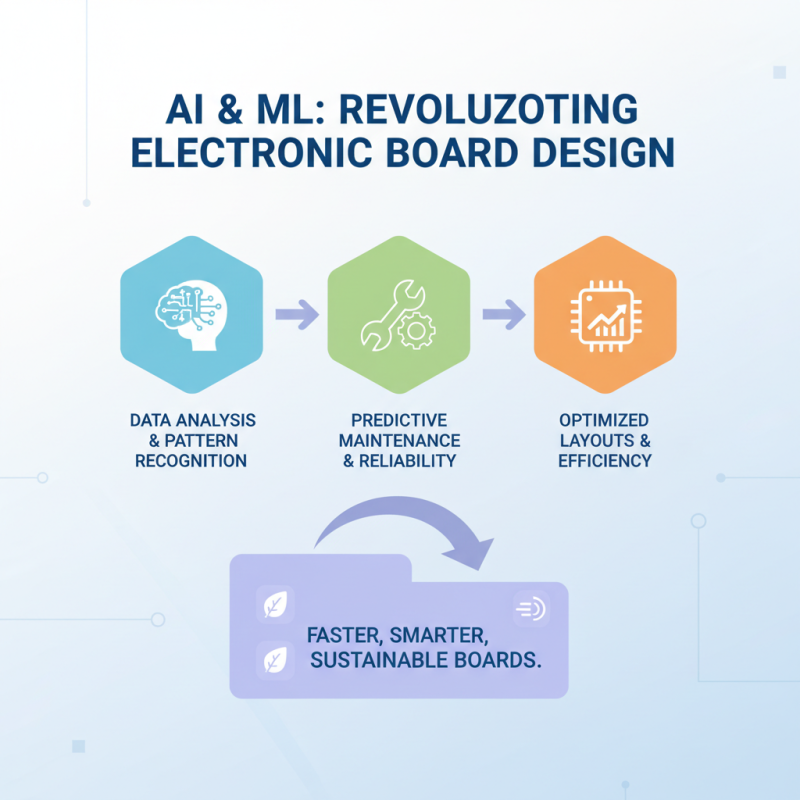
The integration of AI and machine learning into electronic board design is revolutionizing how engineers approach the development process. By employing advanced algorithms, designers can now analyze vast datasets to identify patterns and trends that inform better design decisions. This capability allows for enhanced predictive maintenance, ensuring that potential issues are resolved before they lead to failures. Additionally, AI-driven simulations can optimize layouts and component placements, resulting in boards that are not only more efficient but also reduce material waste.
Furthermore, machine learning enhances the customization of electronic boards, enabling designs tailored to specific applications or industries. With the ability to learn from previous iterations, these systems adapt designs in real time based on performance feedback, streamlining the prototyping phase. As the demand for more complex and multifunctional electronic devices grows, the role of AI and machine learning in the design process will become increasingly critical, fostering innovation and efficiency in the electronic board landscape.
Sustainability Practices in Electronic Board Manufacturing by 2025
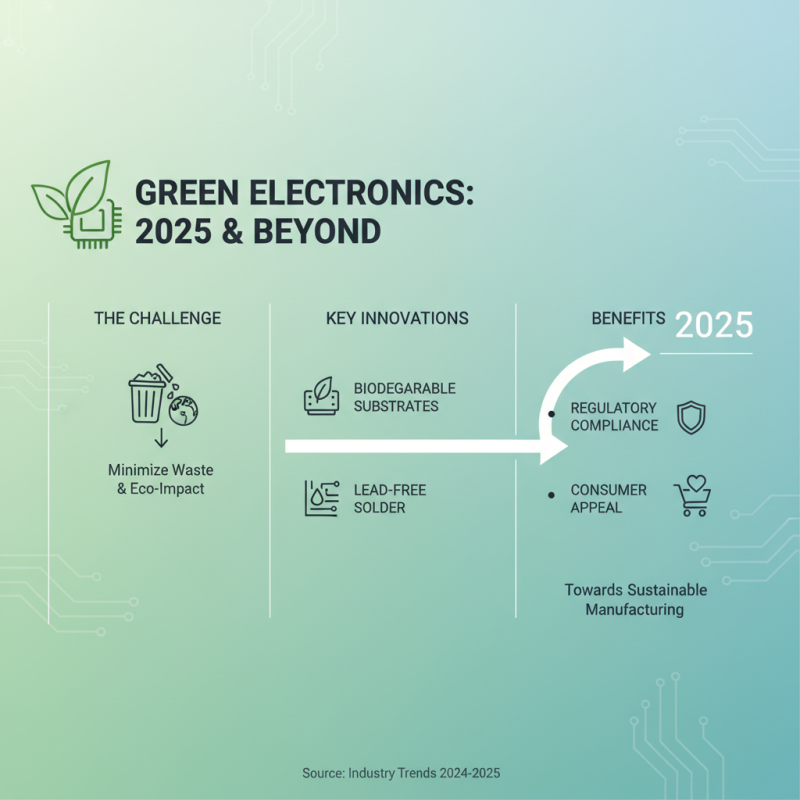
As we move towards 2025, the trend of sustainability in electronic board manufacturing is becoming increasingly critical. Manufacturers are being challenged to innovate their processes to minimize waste and reduce the environmental impact. This includes the adoption of eco-friendly materials, such as biodegradable substrates and lead-free solder, which not only comply with regulations but also appeal to environmentally-conscious consumers.
Tips for manufacturers looking to enhance sustainability: First, consider implementing a closed-loop recycling system that allows for the recovery and reuse of materials from discarded electronics. This practice not just reduces landfill waste but also conserves resources. Second, engage in life cycle assessments to understand the environmental impacts of your products from creation to disposal, enabling better decision-making regarding sustainable practices.
In addition, electric boards are increasingly being designed for modularity. This approach not only supports easier repairs and upgrades, thereby extending product life, but also encourages a circular economy. By focusing on sustainable design principles, manufacturers can create products that are both high-performing and environmentally responsible.
Key Market Players and Their Contributions to 2025 Trends in Electronics
The landscape of electronics in 2025 is shaped significantly by the contributions of key market players, each driving innovation and setting trends within the industry. One of the major trends is the increasing integration of artificial intelligence across various electronic boards. Companies are focusing on developing boards that can learn and adapt to user needs, improving efficiency and functionality in everyday devices. This shift not only enhances user experience but also paves the way for smarter, more autonomous systems in sectors ranging from consumer electronics to industrial applications.
In addition to AI, sustainability is becoming a vital component of electronic board design. Key players are committing to environmentally friendly practices, including the use of recyclable materials and energy-efficient manufacturing processes. This trend towards sustainability is not merely a response to regulatory demands; it reflects a growing consumer preference for green technology. Companies that prioritize sustainable design are likely to gain a competitive edge in the market, aligning their offerings with the values of environmentally conscious consumers. As we approach 2025, these contributions are critical in shaping the future of electronics and addressing the challenges posed by a rapidly evolving technological landscape.
2025 Top Electronic Board Trends