2026 Top Vacuum Circuit Breaker Trends Buyers Need to Know?
In the landscape of electrical engineering, Vacuum circuit breakers (VCBs) are gaining significant attention. Their unique design and efficiency offer advantages in power distribution systems. By isolating electrical arcs in a vacuum, these devices enable reliable and safe operations. This technology is becoming essential for modern electrical infrastructure.
As we approach 2026, understanding VCB trends is crucial for buyers. The market is evolving rapidly, incorporating innovations that improve performance and sustainability. Key features such as advanced materials and smart technology integration enhance reliability. These trends demonstrate the industry's commitment to efficiency and safety.
However, navigating this complex market is not without challenges. Buyers must consider factors like maintenance, longevity, and environmental impact. Staying informed about these trends can provide a competitive edge. With the right knowledge, buyers can make informed decisions that secure their investments in vacuum circuit breakers.
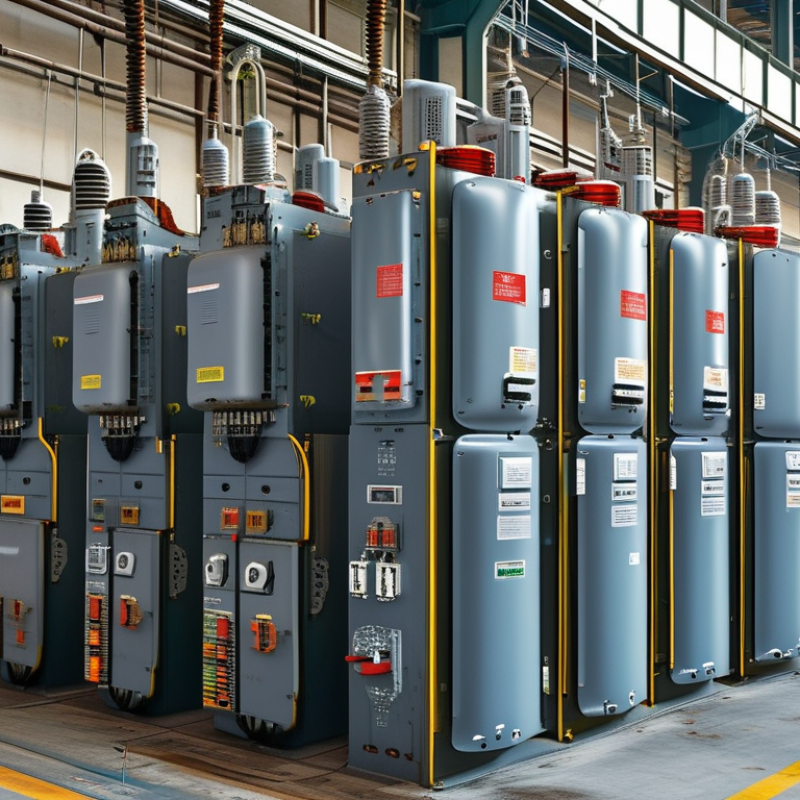
Key Features of Vacuum Circuit Breakers in 2026
Vacuum circuit breakers (VCBs) are evolving rapidly. In 2026, they will focus on enhanced reliability and efficiency. It's estimated that the global vacuum circuit breaker market will reach $4.3 billion by 2026, driven by increasing demand for safe electrical systems. This trend reflects a growing awareness of electrical safety and the need for durable equipment.
One key feature of VCBs is their ability to operate under high voltage while minimizing maintenance needs. They are known for their arc-extinguishing capabilities. In advanced models, the arc is quickly extinguished within the vacuum chamber, which helps prevent equipment damage. A report from the International Energy Agency highlights that VCB technology can improve operational efficiency by up to 25%. These advancements make VCBs a preferred choice in industrial applications.
However, not all VCBs meet current standards. Some older models lack the necessary features to address modern energy demands. Users should be cautious and ensure that the products they select comply with international engineering standards. This vigilance helps prevent installation issues and enhances overall system performance. As technology progresses, ongoing training for operators and engineers becomes essential to fully leverage these innovations.
2026 Top Vacuum Circuit Breaker Trends Buyers Need to Know
| Feature | Description | Trend Impact |
| Compact Design | Vacuum circuit breakers are becoming smaller and lighter, helping save space in substations. | Improved installation flexibility and reduced costs. |
| Smart Technology Integration | Integration with IoT for real-time monitoring and diagnostics. | Enhanced operational efficiency and predictive maintenance. |
| Increased Safety Features | Enhanced safety mechanisms to prevent electrical hazards and ensure operational safety. | Reduced accident rates and higher compliance with regulations. |
| Environmental Sustainability | Use of environmentally-friendly materials and design practices. | Lower ecological impact and improved market acceptance. |
| High Reliability | Advanced engineering leading to higher performance and reliability under various conditions. | Minimized downtime and improved service quality. |
Innovative Technologies Shaping the Vacuum Circuit Breaker Market
Innovative technologies are significantly shaping the vacuum circuit breaker market. Recent reports indicate that the global vacuum circuit breaker market is expected to grow at a CAGR of 6.5% from 2022 to 2026. This growth is driven by advancements in electrical systems and the increasing demand for reliable energy solutions.
One notable trend is the implementation of smart grid technology. This allows for real-time monitoring and management of electrical systems. By integrating IoT devices, operators can predict maintenance needs and minimize downtime. According to a report by Grand View Research, smart grids could reduce outage time by 20-30%.
Another area of innovation is the incorporation of eco-friendly materials in circuit breaker production. Companies are exploring alternatives to traditional materials to reduce environmental impact. This shift is not only necessary but reflects a growing awareness among manufacturers about sustainability. However, challenges remain, including the complexity of material sourcing and the costs associated with new production processes. As the market evolves, it is essential for stakeholders to remain informed and adaptable to these emerging technologies.
Impact of Sustainability Trends on Vacuum Circuit Breaker Design
The movement towards sustainability significantly influences vacuum circuit breaker design. As industries seek to reduce their carbon footprint, manufacturers are rethinking materials and processes. Traditional insulation methods may no longer meet the new standards, leading to innovative alternatives.
More manufacturers now prioritize eco-friendly materials in their designs. Using recycled materials can reduce waste. This shift may also decrease the energy required for production. Industry players are exploring alternative gases and insulation techniques. These changes can enhance efficiency while lowering environmental impact.
Challenges remain in implementing these sustainable practices. Not all manufacturers are fully equipped to adapt. Therefore, some designs may still rely on less eco-conscious materials. As sustainability trends evolve, continuous adaptation is key. Balancing efficiency and environmental responsibility is a complex task. The future of vacuum circuit breakers will require careful consideration of such factors.
Market Demand and Growth Forecast for Vacuum Circuit Breakers
Vacuum circuit breakers (VCBs) are gaining traction in the electrical distribution market. This growth is driven by their ability to provide reliable protection against short circuits and overloads. According to a recent industry report, the global vacuum circuit breaker market is expected to grow from $4.26 billion in 2023 to $6.3 billion by 2029, reflecting a compound annual growth rate (CAGR) of about 6.7%. This trend highlights the demand for efficient and durable electrical solutions.
The move towards smart grids and renewable energy sources fuels this demand. Increasing investments in infrastructure projects further bolster VCB adoption. Reports indicate that the Asia-Pacific region will dominate growth, with significant contributions from China and India. However, companies must remain mindful of challenges, such as the high initial costs and maintenance requirements for VCBs, which can deter smaller enterprises from adoption.
There is a growing need to educate buyers about the long-term benefits of VCBs. Understanding their installation and operational intricacies is essential. Furthermore, the market could see shifts depending on advances in technology. As such, potential buyers must stay informed about developments and reassess their strategies accordingly. The resources available may influence decision-making processes significantly.
Key Players and Competitive Landscape in the 2026 Market
In the evolving landscape of vacuum circuit breakers, understanding key players is crucial. Market leaders focus on innovation and reliability. Their strategies include advanced technology integration and sustainability measures. These companies invest heavily in research and development to stay competitive.
The competitive landscape is dynamic. New entrants bring fresh ideas, challenging established players. This competition fosters technological advancements. However, it also raises questions about long-term viability. Some newcomers may lack the resources for sustained growth, leading to potential pitfalls.
Collaboration is another trend gaining traction. Companies are forming strategic partnerships to enhance their market positioning. This can lead to shared expertise but may also dilute brand identity. As the market evolves, stakeholders must remain vigilant. They need to assess the implications of these trends on their operations and strategies.
2026 Top Vacuum Circuit Breaker Trends