What is Armored Fiber Optic Cable at the 139th Canton Fair?
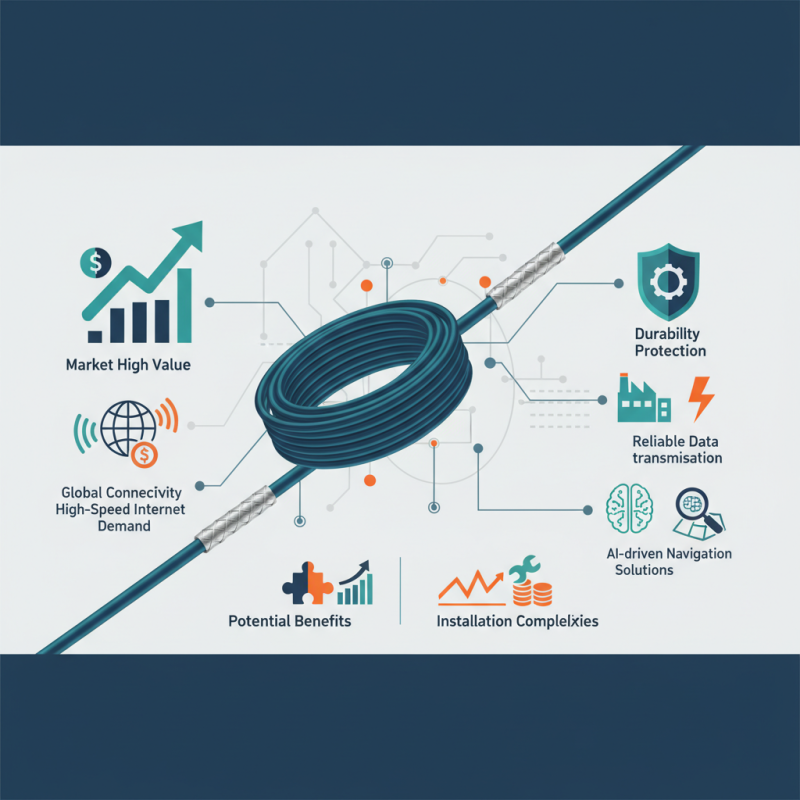
At the 139th Canton Fair, Armored Fiber Optic Cable stands out as a critical innovation in telecommunications. Research indicates that the fiber optic market is projected to reach $77 billion by 2026, driven by the increasing demand for high-speed internet. Armored cables provide vital protection in harsh environments. Their durability ensures reliable transmission of data, making them ideal for industrial applications.
The emergence of AI-driven solutions at the Canton Fair enhances the experience for buyers. With features like smart navigation, stakeholders can locate suppliers of Armored Fiber Optic Cable efficiently. This innovation addresses the growing need for robust connectivity solutions. Additionally, challenges still exist in the market, such as cost variations and installation complexities, which need attention for better adoption.
Overall, Armored Fiber Optic Cable is crucial for advancing telecommunications infrastructure. It reflects the industry's shift towards more resilient systems. The findings from various industry reports highlight both the potential benefits and areas requiring improvement.
What is Armored Fiber Optic Cable?
Armored fiber optic cable is a robust solution for protecting data transmission. It features a protective outer layer, typically made of metal or durable materials. This design helps resist physical damage from environmental factors like moisture, chemicals, and pests. The added strength makes it suitable for outdoor or industrial applications where regular cables may fail.
When attending the 139th Canton Fair, you might come across various armored fiber optic cables. These cables come in different configurations, catering to a wide range of needs. It's important to consider factors such as installation environment and data capacity when choosing a type. You might find it easier to compare features side-by-side at the fair.
Tips: Always verify the specifications and materials used in armored cables. Quality matters. Look for cables that offer warranties or guarantees on durability. Don’t forget to ask questions to understand installation processes better. Each application may require a unique approach.
Armored Fiber Optic Cable Types and Applications
The following chart illustrates the distribution of different types of armored fiber optic cables used in various applications, along with their corresponding market share percentages.
Key Features and Benefits of Armored Fiber Optic Cables
Armored fiber optic cables offer robust protection for delicate fibers. Their design includes a protective layer that shields against mechanical damage. This feature is crucial for installations in harsh environments. According to industry reports, armored cables can withstand crush forces of up to 2,000 pounds, making them ideal for outdoor applications.
The benefits extend beyond durability. Armored fiber optic cables also exhibit impressive resistance to environmental factors. They are less susceptible to moisture, chemicals, and rodents, which can compromise standard cables. An analysis indicated a 30% lower failure rate for armored cables compared to traditional options. This resilience ensures a more reliable connection.
However, there are challenges to consider. Installation can be more complex due to the cable's rigidity. This may lead to additional labor costs. Maintenance can also be a bit tricky. Technicians need specialized skills for repairs. Despite these hurdles, the reliability of armored fiber optic cables remains a key selling point. They provide peace of mind in critical applications.
Comparison of Armored and Non-Armored Fiber Optic Cables
Armored fiber optic cables are designed for harsh environments. They feature a robust outer layer that protects the inner optical fibers. In contrast, non-armored cables lack this protective layer and are more vulnerable to damage. This makes armored cables ideal for outdoor use, such as in construction sites or industrial areas. Their durability can withstand physical impacts and environmental factors.
While armored cables offer greater protection, they can be heavier and less flexible. This might be a drawback for some installations where weight and bendability are crucial. Non-armored cables are lighter, allowing for easier handling and installation. However, they may require additional protective measures in exposed areas.
The choice between armored and non-armored cables often depends on specific needs. Understanding the environment and potential hazards helps in making the right decision. It's essential to reflect on the long-term implications of each option. Both cable types have their advantages and limitations. The right choice isn't always straightforward and requires careful consideration.
Applications of Armored Fiber Optic Cables in Various Industries
Armored fiber optic cables are gaining traction in various industries. Their protection against physical damage makes them suitable for harsh environments. These cables feature a durable outer layer that shields the delicate fibers inside. For example, in construction sites, cables face potential impacts from heavy machinery. Armored cables ensure reliable connectivity in such settings.
In telecommunications, the demand for high-speed internet is ever-increasing. Armored cables help maintain signal quality, even in rough conditions. They resist interference and can endure temperature fluctuations. In addition, industries like mining and oil extraction often need robust solutions. Equipment in these fields operates in dangerous areas. Here, armored cables can make a significant difference in safety and efficiency.
Healthcare facilities also benefit from armored fiber optic cables. Reliable communication is vital in hospitals and clinics. These cables help ensure that data transmission remains uninterrupted. However, it is essential to reflect on installation practices. Improper fittings can lead to failures. Regular maintenance checks are crucial to safeguard these investments.
Market Trends and Future Outlook for Armored Fiber Optic Cables
The market for armored fiber optic cables is expanding rapidly. Recent reports indicate a projected growth rate of over 10% annually from 2023 to 2030. This growth is driven by the increasing demand for high-speed internet and reliable communication systems. Armored cables provide enhanced protection, making them essential in various sectors, including telecommunications and security.
Current trends highlight a shift toward eco-friendly materials in cable production. Some manufacturers are exploring sustainable options to meet environmental regulations. This is a critical area for development, as there is still a significant gap in sustainable practices within the industry. The introduction of biodegradable materials could transform the market landscape, offering both performance and environmental benefits.
However, challenges persist. The complexity of installation can deter potential users. Inadequate awareness of the advantages of armored cables also hampers growth. Many buyers still question their cost-effectiveness. Addressing these issues will be vital for the industry's future. If manufacturers can simplify installation and emphasize long-term savings, the armored fiber optic cable market may see even greater demand.
What is Armored Fiber Optic Cable at the 139th Canton Fair? - Market Trends and Future Outlook for Armored Fiber Optic Cables
| Application | Cable Type | OD (mm) | Strength Member | Market Growth (%) | Future Trends |
| Telecommunications | Armored Loose Tube | 10 | Steel Wire | 6.5 | Increased integration with smart city projects |
| Industrial | Armored Tight Buffer | 12 | Kevlar | 7.2 | Advancements in rugged environments |
| Data Centers | Indoor Armored | 8 | Fiber Reinforced Plastic | 8.0 | Increased demand for bandwidth |
| Military | Tactical Armored | 14 | High-Strength Material | 5.8 | Focus on portability and durability |
| Transportation | Armored Aerial | 16 | Steel and Aluminum | 6.0 | Growing trends in transportation safety |