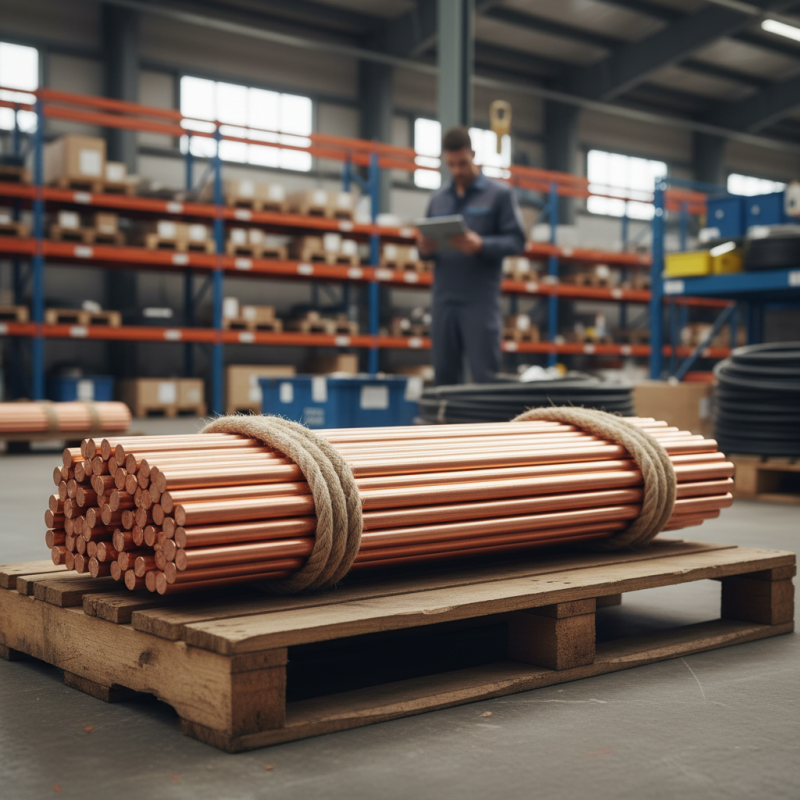
Best Ground Rod Copper Solutions for Global Buyers?
In the world of electrical grounding, Ground Rod Copper plays a critical role. High-quality copper grounding rods ensure safety and reliability in various applications. This article explores the best solutions available for global buyers, emphasizing the importance of selecting suitable materials.
Ground Rod Copper is favored for its excellent conductivity and resistance to corrosion. These features make it ideal for diverse environments. Many companies offer various grades and sizes. However, not all products meet industry standards. A careful evaluation of available options is essential.
Buyers need to consider factors beyond price. Durability, installation practices, and supplier reputation are key. Some brands may promise high performance but fall short in real-world applications. Understanding these aspects will enhance decision-making. Grounding is foundational, and its quality cannot be overlooked.
Understanding Ground Rods: What They Are and Their Importance
Ground rods are essential components in electrical systems. They provide a path for excess electricity to safely dissipate into the ground. This process protects both people and electronic devices from dangerous surges caused by lightning or power faults. Understanding their role is crucial for anyone involved in electrical installations or safety measures.
The construction of ground rods typically involves copper or galvanized steel. Copper is often preferred due to its high conductivity and resistance to corrosion. This durability ensures the ground rods will last for many years. However, the choice between materials can sometimes be unclear. Each option has benefits and drawbacks that need consideration, especially based on the environment where they are installed.
Not all ground rods are created equal. Installation techniques also vary widely and can impact performance. Poorly installed rods may not provide adequate grounding, leading to potential failures. It's important to evaluate the local soil conditions, as these can affect how well the rod functions. Engaging with professionals can help ensure the right choices are made.
Types of Copper Ground Rods: An Overview of Options Available
Copper ground rods are essential for electrical systems, ensuring safety and reliability. The main types available include solid copper rods, copper-clad steel rods, and bonded copper rods. Each type serves specific needs based on applications and environments.
Solid Copper Rods are highly conductive and resist corrosion effectively, making them ideal for permanent installations. Copper-clad steel rods combine the mechanical strength of steel with the conductivity of copper. This option is often used in areas where cost may be a constraint. Bonded copper rods are designed for high-resistance environments, providing robust grounding solutions.
Tip: When selecting a copper ground rod, consider the soil composition in your area. High moisture levels can affect the rod's performance. Regular maintenance is key. Inspecting rods for corrosion can prevent potential failures. The lifespan of copper rods typically ranges from 20 to 30 years, depending on environmental factors.
Selecting the right ground rod also involves weighing initial costs against long-term reliability. It's essential to consult professional guidelines and standards relevant to your location. Ignoring these can lead to inappropriate choices, risking safety. Accurate installation and adherence to local codes are vital for optimal function.
Key Factors to Consider When Selecting Copper Ground Rods
When selecting copper ground rods, several key factors come into play. The diameter and length of the rod are crucial. Standard lengths usually range from 8 to 10 feet, but specific needs may require longer rods. Ensure the diameter is sufficient for your intended application. Thicker rods generally offer better conductivity and corrosion resistance.
Material quality matters significantly. Pure copper provides the best performance, while copper-bonded rods may be more affordable but less effective over time. Experienced buyers should always check for standards compliance, ensuring the rods meet industry regulations. Reliability is also impacted by environmental conditions. In moist or saline areas, opting for corrosion-resistant options is wise.
Tips: Consider the installation method as well. Some rods require specialized equipment for proper grounding. Always consult with a professional if unsure about installation techniques. Additionally, periodic inspections can identify potential issues early. Ground rods may undergo wear that is not immediately visible. A regular check can save you future headaches.
Best Ground Rod Copper Solutions for Global Buyers
This bar chart illustrates the average global prices of different types of copper ground rods. Factors such as material quality, thickness, and corrosion resistance contribute to the pricing variances across regions.
Top Manufacturers and Suppliers of Copper Ground Rods Globally
When considering the best copper ground rods, it is vital to acknowledge the prominent manufacturers and suppliers across the globe. These entities play a critical role in ensuring the safety and reliability of electrical systems, particularly in industrial and commercial sectors. According to a recent market analysis, the global copper ground rod market is projected to reach USD 1 billion by 2025. This highlights the increasing demand for high-quality grounding solutions that meet international safety standards.
Notably, industry reports indicate that the demand for copper ground rods is on the rise due to increased awareness of electrical safety. In North America alone, sales have surged by 10% in the past year. This growth stems from the expanding construction industry and the need for effective grounding solutions to prevent electrical failures. However, inconsistencies in material quality among suppliers remain a concern. Buyers must be diligent and selective, ensuring comprehensive quality assessments before procurement.
Furthermore, understanding the regional variations in copper supply can be a complex task. While some regions have abundant copper resources, others may rely heavily on imports. This disparity can lead to fluctuations in availability and pricing, affecting end-users. Therefore, global buyers must stay informed and adaptable, continuously evaluating their suppliers and the geopolitical landscape surrounding copper supply chains. As the market evolves, so should strategies to secure reliable copper ground rod solutions.
Best Practices for Installing and Maintaining Copper Ground Rods
Copper ground rods are essential for ensuring electrical safety. Proper installation and maintenance can significantly enhance the longevity of a grounding system. Research indicates that most power failures trace back to grounding issues. A well-installed copper ground rod can minimize these risks.
When installing, ensure the rod is driven at least 8 feet deep into the soil for optimal conductivity. The soil type affects grounding effectiveness. Sandy soils tend to have lower conductivity, while clay-rich soils typically offer better performance. Regular inspection is vital. Over time, corrosion can impair functionality, especially in humid environments.
Tip: Regularly check for surface corrosion and soil displacement. Refresh the connection every few years to maintain optimal performance. Using a grounding clamp can secure connections effectively.
Keep in mind that not all installations are perfect. Misalignment or insufficient depth can hinder effectiveness. Understanding the specific environment where the rod is installed is crucial for determining the best approach. Adapting practices to local conditions can yield better results and improve reliability.