10 Best Door Entry Systems for Global Buyers?
Choosing among the 10 Best Door Entry Systems for Global Buyers is not simply a technology decision. It is a daily security decision.
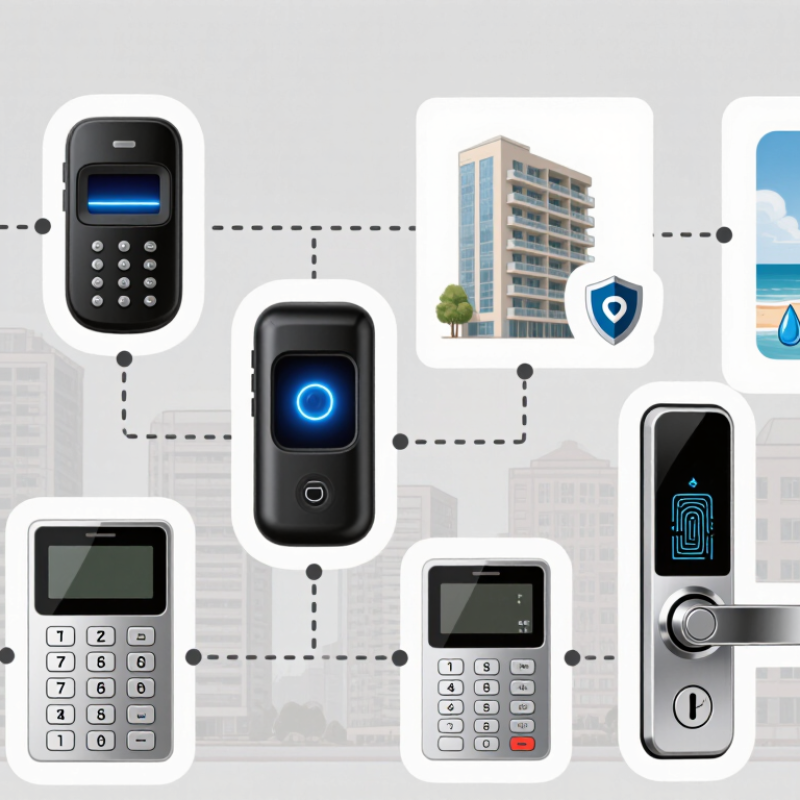
A reliable system should control access without creating unnecessary friction. It may include video intercoms, mobile credentials, PIN keypads, smart locks, or biometric readers. Each option serves different buildings, budgets, climates, and user groups. A coastal hotel needs corrosion resistance. A busy office needs fast, contactless entry. A small apartment building may value simple installation more than advanced analytics.
Security technologist Bruce Schneier said, “Security is a process, not a product.” This principle applies directly to Door Entry Systems. Buyers should examine encryption, software updates, audit logs, backup access, and vendor support. Hardware can look impressive while its management platform remains weak. That is an uncomfortable possibility.
Real-world experience also matters. Ask how the system performs during network outages, power failures, heavy rain, and repeated daily use. Confirm whether installation requires specialist technicians. Review data protection, accessibility, fire safety, and telecommunications requirements in the target market. Rules vary widely.
No single system wins everywhere. That is the honest answer. A premium product may be excessive for one site and insufficient for another. This guide compares leading solutions through practical criteria, including security, usability, integration, maintenance, scalability, and total ownership cost. It aims to help global buyers ask sharper questions before signing a contract. Some product information may change, so independent verification remains essential.
What Door Entry Systems Are and How They Work
A door entry system is more than a smart lock. It is a coordinated security process involving a credential, reader, controller, lock, door sensor, and exit device. When a user presents a card, mobile credential, PIN, or biometric identifier, the reader sends data to the controller. The controller checks permission, then activates the lock for a programmed period. A door sensor confirms whether the door opened. Events can be stored locally or sent to cloud software.
The market is expanding with connected buildings. MarketsandMarkets’ 2024 report estimates the global access control market at about $10.3 billion in 2024, reaching nearly $14.9 billion by 2029. This category includes standalone keypads, networked readers, video intercoms, and mobile access platforms. Intercom systems add two-way audio or video before release. Cloud systems simplify remote administration, but they depend on reliable connectivity and careful account security.
Practical selection requires more than comparing features. Check door weight, lock type, power supply, climate exposure, offline operation, and emergency exit requirements. A magnetic lock may suit one entrance, while an electric strike fits another. The reader may work perfectly, yet the cable route can fail in rain or extreme heat. That is an easy mistake. Test lost credentials, network outages, delayed unlocking, and manual egress before handover. No system is perfect. A clear audit trail, limited permissions, and regular maintenance usually matter more than a crowded feature list.
Key Types of Door Entry Systems for International Buyers
Global buyers should compare door entry systems by access method, site conditions, and service availability.
Mechanical locks remain practical for small offices, warehouses, and remote properties. They need no power, but lost keys create replacement costs.
Keypad systems support PIN-based entry and simplify staff changes. However, shared codes weaken accountability.
RFID and NFC readers work well in hotels, campuses, and multi-tenant buildings. They offer quick access, yet cards can be lost or cloned. Biometric systems identify fingerprints or faces, improving traceability at restricted entrances. Privacy controls and alternative entry methods remain essential. Mobile and cloud-based systems support remote permissions, event logs, and temporary access. According to MarketsandMarkets’ Access Control Market report, the sector was valued at about $10.5 billion in 2024 and may reach $15.2 billion by 2029. The growth reflects demand for connected security, not automatic suitability.
Video intercoms combine visitor verification with two-way communication. They are useful where reception staff cannot monitor every entrance. Smart locks suit residential and small commercial retrofits, but internet dependence deserves careful testing. Fortune Business Insights reports rapid growth in the global smart lock market, driven by connected homes and mobile credentials.
Buyers should check offline operation, battery warnings, weather resistance, local support, and system compatibility. In field evaluations, cloud-only designs can become inconvenient during outages.
No type wins everywhere. A lower-cost keypad may outperform a sophisticated biometric reader in a dusty rural facility.
My own preference is cautious: select the simplest system that meets audit, access, and emergency requirements.
Ten Leading Door Entry Systems Across Different Use Cases
10 Best Door Entry Systems for Global Buyers?
Ten Leading Door Entry Systems Across Different Use Cases
Door entry decisions depend on location, traffic, climate, and user behavior. MarketsandMarkets’ Access Control Market report estimates growth from about USD 10.3 billion in 2023 to USD 15.2 billion by 2028. That expansion reflects wider demand for measurable, connected security.
Ten leading options serve different needs: mechanical locks for low-cost reliability; keypad systems for shared offices; RFID readers for staff access; biometric readers for controlled facilities; mobile credentials for flexible teams; video intercoms for apartments; cloud-managed systems for distributed sites; electronic hotel locks for guest turnover; multi-tenant platforms for property managers; and rugged industrial readers for dusty or wet entrances.
The details matter. A warehouse door may need weather resistance, emergency egress, and gloves-friendly controls. An apartment lobby benefits from video confirmation and audit records. A small clinic might prefer encrypted cards over facial recognition, because privacy expectations vary sharply across regions. Grand View Research reported strong smart-lock growth through 2030, with convenience and remote monitoring driving adoption.
Choose carefully.
In practice, installation quality often decides performance. I have seen advanced readers fail because cabling lacked weather protection, or because users shared one code. Buyers should test offline operation, power-loss behavior, credential replacement, and maintenance access before ordering. Reported market growth is useful evidence, but it cannot replace a site survey or local compliance review.
Global Standards, Security Features, and Compatibility Factors
For global buyers, the ten best door entry systems must meet more than basic locking needs. They should balance international standards, cybersecurity, and local installation conditions. IEC 60839-11-1 supports reliable electronic access control design. Systems using encrypted OSDP communication can improve reader-to-controller security. Keep legacy Wiegand compatibility only when replacement costs require it. Check regional certifications, voltage ranges, emergency-release rules, and network requirements before ordering.
Cybersecurity deserves equal attention.
Verizon’s 2024 Data Breach Investigations Report found human involvement in 68% of breaches. Therefore, select systems with multi-factor authentication, role-based permissions, and tamper-resistant audit logs. IBM’s 2024 Cost of a Data Breach Report placed the global average breach cost at 4.88 million dollars. A stolen credential can create a surprisingly expensive weakness.
Cloud platforms also need clear data-retention policies and regional privacy controls. Biometric readers sound advanced, but wet fingers, lighting, and privacy concerns still cause practical failures. No system is perfect.
Tips: Request a live compatibility test with your existing doors, readers, elevators, and visitor software. Measure unlock time, offline operation, alarm response, and log accuracy. Ask whether firmware updates are signed and supported for at least five years. A lower-cost controller may be the more reliable choice in a small site. That is easy to overlook. Consider staged deployment instead of replacing every door at once.
How to Compare Costs, Installation, and Ongoing Support
Choosing among the 10 best door entry systems requires more than comparing purchase prices. Global buyers should calculate the full cost: readers, controllers, credentials, cabling, software, shipping, taxes, and replacement parts. A low quotation can hide expensive integration work. Ask for an itemized proposal. Confirm currency, warranty length, and support hours. “Cheap” is not always efficient.
Installation depends on the building, door material, network quality, and local technician availability. A small office may need a simple keypad, while a multi-site facility may require centralized management and backup power. Request a site survey before ordering. Measure door frames, cable routes, and internet reliability. In my experience, installation delays often come from missing wiring details, not access hardware. That assumption can be wrong. Test emergency release procedures and user enrollment with sample staff before full deployment.
Tips: Compare three quotes using the same checklist. Separate hardware, labor, licensing, training, travel, and annual support. Ask who handles failures after business hours. Check whether remote help, firmware updates, spare parts, and replacement timelines are included. Request references from buyers in similar climates or building types. Written service levels create accountability.
Ongoing support deserves equal weight. A responsive help desk is useful, but documented troubleshooting is better. Review data protection practices and regional compliance responsibilities with qualified advisers. Avoid systems that depend on one unavailable specialist. Keep an exit plan, including data export and administrator handover. Buyers sometimes underestimate training. A system can work technically and still fail operationally when staff cannot manage it.