2026 Best Electric Forklift Battery Options for Your Business?
In today's competitive market, selecting the right Electric Forklift Battery is crucial for operational efficiency. A reliable battery significantly impacts productivity and cost-effectiveness. However, many businesses struggle with this decision. The choices can be overwhelming, given the various technologies and brands available.
When evaluating Electric Forklift Battery options, it's important to consider specific needs. Factors such as battery life, charging time, and maintenance requirements play a vital role. Understanding your operational demands will guide you through this complex landscape. Businesses often underestimate the importance of proper battery selection, leading to costly mistakes.
Ultimately, the right Electric Forklift Battery can enhance performance and reduce downtime. An informed decision can lead to significant long-term savings. Yet, even seasoned professionals may overlook critical details. Every choice should be backed by research and reflection to avoid potential pitfalls.
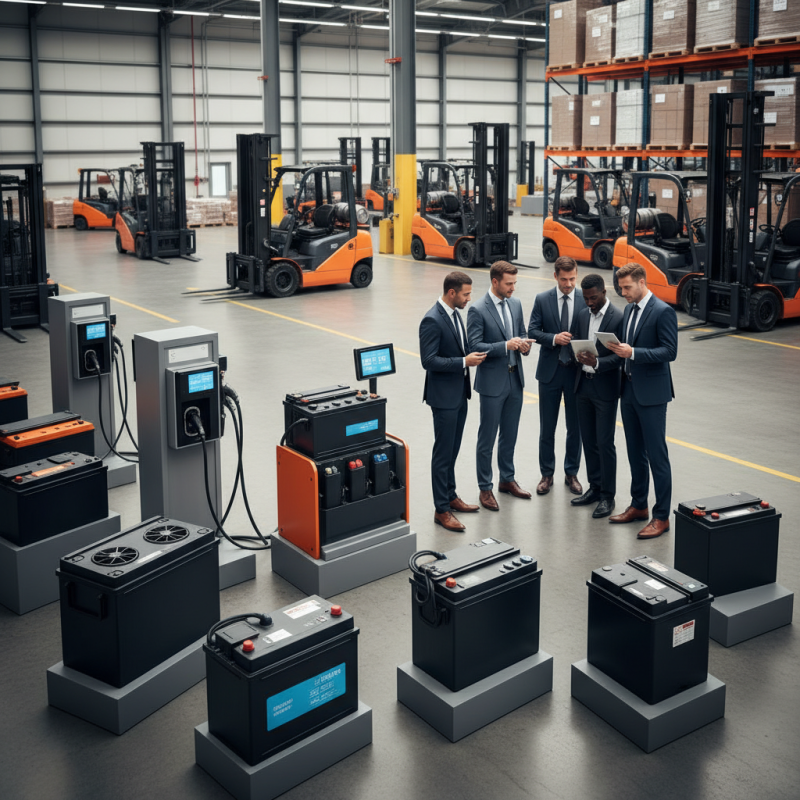
Understanding Electric Forklift Battery Types for 2026
When choosing an electric forklift battery in 2026, understanding the various types is crucial. Lead-acid batteries remain popular due to their cost-effectiveness. They are heavy and offer reliable performance but require regular maintenance. Users should expect to check water levels and clean terminals frequently. These batteries can last several years with proper care.
Lithium-ion batteries are gaining traction for their longer lifespan and efficiency. They charge quickly and require less space. However, their initial cost can be higher, which might deter some businesses. It’s essential to evaluate usage patterns before deciding which battery type fits best. Consider the operational hours and the need for fast charging.
Each battery type has pros and cons that vary depending on specific business needs. The decision-making process can be complex. It’s often tempting to focus on upfront costs, but long-term benefits and maintenance must also play a role. Make informed choices to optimize productivity and performance in your operations. Balancing cost with efficiency can lead to a more sustainable future in material handling.
2026 Best Electric Forklift Battery Options for Your Business
| Battery Type | Energy Density (Wh/kg) | Cycle Life (Cycles) | Charging Time (Hours) | Temperature Range (°C) | Weight (kg) |
| Lithium-ion | 150-250 | 2000-5000 | 1-3 | -20 to 60 | 200-400 |
| Lead-acid | 30-50 | 500-1000 | 6-8 | 0 to 40 | 300-600 |
| Nickel-cadmium | 60-120 | 1500-2000 | 1-2 | -20 to 40 | 200-400 |
| Lithium Iron Phosphate | 90-160 | 2000-3000 | 2-4 | -20 to 60 | 250-500 |
Key Features to Look for in Electric Forklift Batteries
When choosing electric forklift batteries for your business, understanding key features is essential. Capacity and voltage are primary factors. A battery’s capacity determines how long it can power your forklift before requiring a recharge. Higher capacity often yields better efficiency in high-demand environments. However, this may lead to longer charging times, which can impact operations.
Another critical aspect is the battery's lifespan. Durability affects the cost over time. Investing in a longer-lasting battery can reduce replacement frequency and maintenance needs. Look for batteries with robust construction and proven performance under demanding conditions.
Charging options also matter. Fast charging capabilities can improve productivity. However, not all fast chargers are equal. Some generate excessive heat, potentially damaging the battery. Balance between charging speed and battery health is necessary. Ensure that the battery's design allows for cooling during charging. Assessment of these features can help in making informed decisions for your business’s operational needs.
Top Electric Forklift Battery Brands for Business Use
When selecting electric forklift batteries, it's essential to understand the leading brands recognized for their quality and reliability. Recent industry reports suggest that lithium-ion batteries are becoming the preferred choice due to their fast charging capabilities and longer lifespan. For example, these batteries can last up to 10 years with proper maintenance, significantly reducing downtime in business operations.
Another notable trend is the rise of advanced lead-acid batteries. While they have been a long-standing option, innovations are improving their efficiency. Up to 80% of their capacity can still be utilized without significant loss of performance. However, businesses must remain cautious. While lead-acid batteries are cost-effective upfront, their overall lifespan and maintenance could lead to higher long-term costs.
Furthermore, the market offers various battery designs, such as modular options. These can be tailored to specific operational needs. The flexibility these batteries provide is impressive. However, it's crucial to invest time in researching which design best fits your operations. A poorly chosen battery can lead to inefficiencies and expensive replacements. Businesses are encouraged to analyze specific needs before making any purchases.
Comparative Analysis of Battery Life and Performance
When selecting electric forklift batteries, understanding battery life and performance is key. Battery life can vary widely based on usage. Common factors include charging cycles, temperature, and load. Many businesses overlook how these elements affect battery longevity.
Performance metrics like charge time and energy efficiency are crucial. A battery with rapid charging capabilities can significantly reduce downtime in a busy warehouse. However, these batteries may also have a shorter overall lifespan. Testing under real operational conditions can reveal gaps in expected performance.
Choosing the right battery involves trade-offs. Some options may offer higher energy density but come at the cost of longer charging times. Conversely, batteries designed for quicker charges might not last as long. Regular performance assessments can help in decision-making. You might find that the best option isn’t always the most advanced one. Balancing durability and efficiency is essential for optimal operational effectiveness.
Cost Considerations for Upgrading to Electric Forklift Batteries
When considering the transition to electric forklift batteries, cost is a significant factor. The initial investment in these batteries can be high, often ranging from $5,000 to $15,000 depending on capacity. However, the long-term savings can outweigh these costs. A report from the Electric Power Research Institute (EPRI) indicates that electric forklifts can save businesses up to 30% on fuel and maintenance costs compared to their internal combustion counterparts.
Furthermore, electric batteries typically require less frequent replacement. Traditional lead-acid batteries have a lifespan of around 1,500 cycles, while lithium-ion options can last up to 5,000 cycles. This longevity translates to fewer replacements and lower total cost of ownership. However, one must also account for charging infrastructure costs. Installing charging stations can range from $1,000 to $5,000 each.
Understanding your operational needs is vital. Electric models might be ideal for indoor environments. Exhaust emissions from diesel forklifts can be harmful. But for outdoor applications, the cost of charging could be a challenge. It's crucial to assess the alignment of your operational demands with electric technology benefits. The shift to electric requires careful planning and consideration of all expenses involved.