What Are the Best Electronic Board Manufacturers in China?

Choosing the best electronic board manufacturers in China requires more than comparing prices or polished websites. A dependable supplier must show consistent production control, engineering knowledge, and transparent communication. Buyers should examine PCB fabrication, PCBA assembly, component sourcing, testing, and after-sales support together.

In practical supplier evaluations, small details often reveal larger strengths. Ask for sample boards, inspection records, and clear material specifications. Check whether the factory uses automated optical inspection, X-ray testing, impedance control, and traceable production records. Certifications such as ISO 9001, IATF 16949, or relevant IPC practices may support credibility, but certificates alone prove little. A factory should explain how it handles solder defects, design changes, shortages, and delivery delays.

The strongest manufacturers usually provide engineering feedback before mass production. They may identify narrow traces, weak solder joints, unsuitable components, or avoidable assembly costs. That expertise can protect both product quality and launch schedules. Still, no ranking is perfect. A large factory may offer advanced equipment but lack attention to smaller orders. A smaller supplier may respond faster yet depend heavily on outside partners. This guide compares leading Chinese manufacturers through quality systems, technical capability, communication, production capacity, and customer reliability. The goal is not to promote one universal winner. It is to help readers match an electronic board partner with their product requirements, risk level, budget, and expected growth. Verify every claim. That step is easy to overlook.
What Are the Best Electronic Board Manufacturers in China?

What Is an Electronic Board Manufacturer?

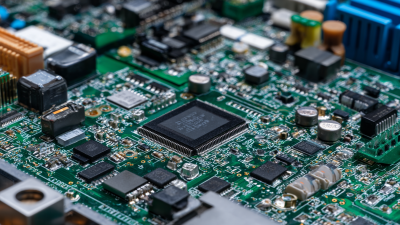
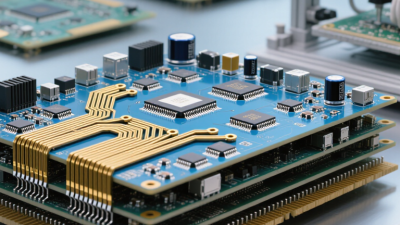
An electronic board manufacturer designs, fabricates, assembles, and tests circuit boards for electronic products. It may produce bare PCBs or complete PCBA units with mounted components. Some factories handle only board fabrication. Others manage sourcing, surface mounting, inspection, and final testing under one roof.

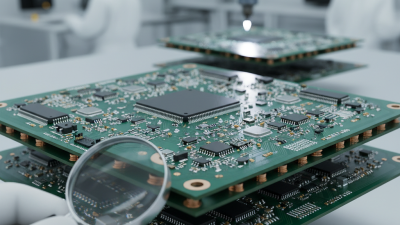
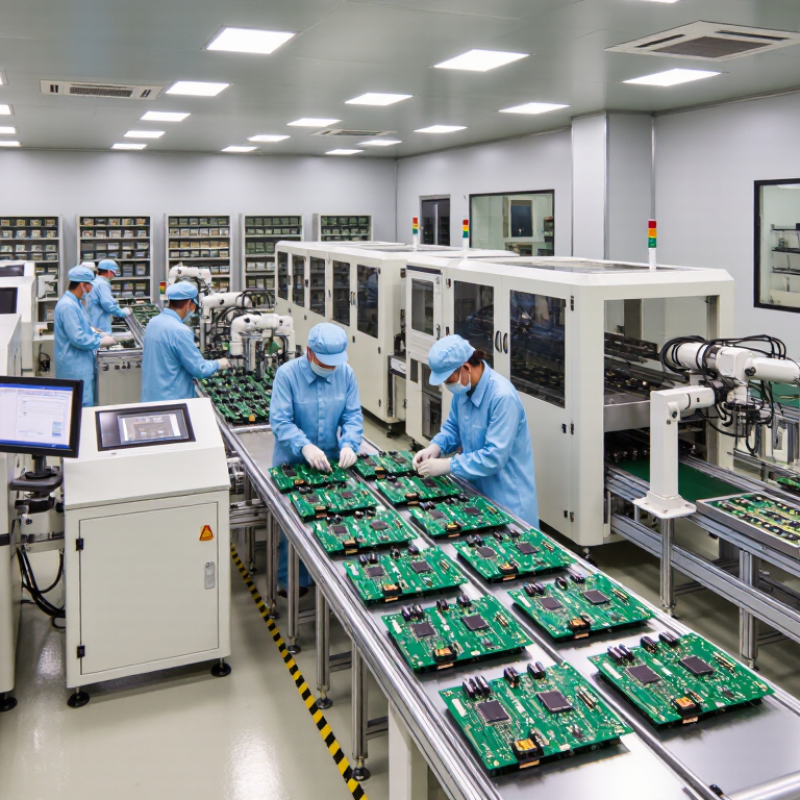
The difference becomes clear on a production floor. Engineers review Gerber files before manufacturing begins. Automated machines place tiny components with measured accuracy. Inspectors use optical systems to find solder bridges, missing parts, and shifted components. Functional testing then checks whether the assembled board performs its intended task. Good manufacturers keep batch records, material certificates, and inspection results for later review.

When comparing manufacturers in China, buyers should examine process control rather than attractive claims. Ask about engineering support, prototype handling, production capacity, and defect response. Certifications can support credibility, but they do not replace current audit evidence. No factory is perfect. A missed solder joint can still happen, even with automated inspection. What matters is whether the manufacturer finds it quickly, explains the cause, and prevents repetition. A sample board, a clear quotation, and a realistic delivery schedule often reveal more than a polished website. My view may be incomplete; supplier performance can change with staff, materials, and order volume.

How to Evaluate Chinese Electronic Board Manufacturers

What Are the Best Electronic Board Manufacturers in China?

China remains a major hub for printed circuit board production. Prismark’s 2024 industry analysis estimated that China generated roughly half of global PCB production value in 2023. Scale alone does not prove quality. Buyers should examine factory capability, process control, and evidence from recent production.

Request certificates, but verify their scope and expiry dates. ISO 9001 supports quality management, while IPC-A-600 and IPC-6012 define important board acceptance and performance requirements. For automotive projects, IATF 16949 experience deserves closer attention. Ask for cross-section photos, solderability results, impedance reports, and completed corrective-action records. Real records reveal more than polished presentations.

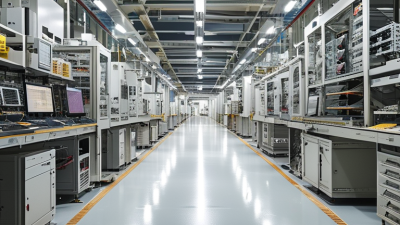
Look at the production floor.

Check whether materials carry barcodes and full lot traceability. Confirm testing capacity, including flying-probe, automated optical inspection, and electrical testing. A capable supplier should explain defect limits using measurable data, not vague promises. The World Bank’s 2023 Logistics Performance Index ranked China 19th among 139 economies, with a score of 3.7, yet regional delivery performance can differ sharply. Audit the actual facility, not only the trading office. My scoring model is imperfect; it can overvalue equipment and undervalue communication. Therefore, run a small pilot order and compare yield, delivery variance, packaging, and engineering response before approving mass production.

What Are the Best Electronic Board Manufacturers in China? - How to Evaluate Chinese Electronic Board Manufacturers

Evaluation Dimension Suggested Weight What to Evaluate Reliable Evidence to Request Strong Capability Indicator
Quality Management 15% Documented quality procedures, corrective-action control, process audits, and traceability. Current ISO 9001 certificate, audit reports, quality manual, and sample nonconformance records. A valid ISO 9001-certified quality system with lot-level records and formal corrective-action procedures.
PCB Manufacturing Capability 15% Supported board types, layer counts, material options, minimum trace and spacing, via technology, and surface finishes. Capability sheet, controlled process specifications, sample reports, and production photographs. Capabilities match the design rules and material requirements stated in the customer’s fabrication data.
Assembly and SMT Process Control 15% Component placement accuracy, solder-paste control, reflow profiling, moisture handling, and through-hole capability. Machine list, sample SPI/AOI images, reflow profiles, component storage records, and process-control plans. Uses SPI and AOI as standard process controls and maintains documented reflow profiles for production assemblies.
Inspection and Testing 15% Incoming inspection, in-process inspection, electrical testing, functional testing, and final inspection. Inspection plans, test fixtures, first-article reports, test coverage information, and sample certificates of conformity. Testing is defined by product risk and includes documented acceptance criteria, test results, and retained records.
Standards and Regulatory Compliance 10% Compliance with applicable IPC workmanship standards and environmental or sector-specific requirements. Relevant certificates, material declarations, RoHS and REACH documentation, and controlled standards list. Demonstrates compliance with applicable IPC criteria; provides RoHS and REACH evidence when required.
Engineering and DFM Support 10% Design-for-manufacturing review, design-rule checks, component-risk review, and engineering communication. Anonymized DFM report, engineering-change process, sample feedback, and escalation contacts. Identifies manufacturability risks before production and documents approval for any design or process change.
Supply Chain and Component Control 10% Approved suppliers, counterfeit-part prevention, component traceability, obsolescence management, and shortage handling. Approved-vendor process, incoming inspection records, traceability samples, and sourcing policy. Uses authorized or controlled sources and obtains customer approval before substituting components.
Delivery Performance and Capacity 5% Production capacity, capacity planning, changeover control, lead-time reliability, and on-time delivery history. Capacity statement, anonymized delivery records, production schedule, and business-continuity plan. Provides realistic lead times and measurable delivery data rather than unsupported capacity claims.
Cost Transparency and Commercial Terms 5% Quotation clarity, tooling charges, testing costs, minimum order requirements, payment terms, and change-order pricing. Itemized quotation, commercial terms, validity period, tooling ownership terms, and sample-order invoice. All recurring and one-time costs are itemized, and engineering or material changes require written approval.
Total Suggested Weight 100% Use a 1–5 score for each dimension, multiply by the suggested weight, and verify critical claims through documents, samples, and an on-site or remote audit.
Recommended decision rule: Give priority to suppliers that meet the technical requirements, provide verifiable records, maintain process traceability, and demonstrate consistent quality and delivery performance. A high overall score should not override a failed requirement involving safety, regulatory compliance, counterfeit components, or inadequate testing.

Leading Electronic Board Manufacturers in China

China remains the largest manufacturing base for printed circuit boards and electronic assemblies. Prismark’s 2024 PCB industry review estimates that China contributes about half of global PCB production value. This scale supports dense supplier networks, automated lines, and faster material sourcing. However, production volume alone does not identify the best electronic board manufacturers in China.

Leading electronic board manufacturers usually demonstrate controlled processes across prototyping, surface mounting, testing, and final inspection. During supplier audits, buyers should check traceability labels, solder paste storage, X-ray inspection records, and sample failure reports. IPC-6012 and IPC-A-600 provide useful benchmarks for rigid board quality. IPC industry surveys also highlight delivery reliability and engineering support as major purchasing concerns. These details matter when a board carries fine-pitch components or operates near heat sources.

Mordor Intelligence’s 2024 PCB market analysis expects continued global growth through 2029, increasing pressure on Chinese manufacturers to improve capacity and consistency. A strong factory should provide measurable data, not polished promises. Ask for first-pass yield, defect-per-million figures, change-control procedures, and realistic lead times. No scorecard is perfect. A supplier may pass visual inspection yet struggle with thermal cycling or long-term field reliability. Independent testing remains wise, especially for automotive, medical, and industrial applications. Cost still matters, but the cheapest quotation can hide weak documentation, unstable materials, or repeated engineering changes.

What Products and Services Do They Offer?

What Are the Best Electronic Board Manufacturers in China?

China’s leading electronic board manufacturers offer more than bare circuit boards. Their portfolios commonly include single-sided, multilayer, HDI, flexible, rigid-flex, and metal-core PCBs. Many also provide SMT and through-hole assembly for complete control boards. This matters as global electronics demand expands. WSTS forecast semiconductor sales at 611.2 billion dollars in 2024, a 16% year-on-year increase. More components require tighter board coordination.

Good suppliers usually support the full development cycle. Services may include schematic review, design-for-manufacturing checks, rapid prototypes, component sourcing, stencil production, and automated optical inspection. Engineers can also arrange X-ray inspection, impedance testing, flying-probe testing, and functional testing. Traceability should reach the lot number, solder paste, and inspection record. Small details matter.

The strongest factories often support IPC-based workmanship controls and maintain ISO-certified quality systems. They may offer material options such as high-Tg laminate, halogen-free substrate, and copper-heavy construction. For demanding products, ask about thermal cycling, microsection analysis, and controlled impedance reports. IPC market studies continue to show that supply-chain stability and delivery performance influence electronics purchasing decisions. Yet specifications can mislead. A polished sample does not prove stable mass production. I would request recent yield data, corrective-action records, and a pilot batch before approving volume orders. Flexibility is useful, but uncontrolled flexibility creates risk.

How to Choose the Right Manufacturer for Your Project

Choosing the right electronic board manufacturer starts with your project’s risk, not the lowest quotation. Fortune Business Insights’ 2024 PCB market report valued the global market at about USD 89.7 billion in 2023. This scale creates many capable suppliers, but capability varies sharply. Request recent samples, production photos, and measurable quality records. Ask about layer count, minimum trace width, impedance control, and first-pass yield. A supplier should explain these details clearly.

Tips: Build a comparison sheet. Include tooling fees, testing costs, lead time, material origin, and defect handling. Verify ISO 9001 certification, process audits, and lot-level traceability. For automotive or medical projects, check sector-specific systems and documentation. IPC standards can help define inspection and acceptance requirements. Do not accept “IPC compliant” without asking which revision and test method applies.

Visit the factory when practical, or arrange a live video audit. Watch how operators store moisture-sensitive components and inspect solder joints. Ask for a pilot run before mass production. Compare electrical test coverage, not only unit price. A cheap board with unstable plating can fail after thermal cycling. The 2024 IPC Electronics Industry Report also highlights continuing supply-chain and cost pressures, so capacity claims deserve evidence. I would not trust a perfect spreadsheet. Real production has small delays and rework. The important question is how openly the manufacturer reports them. A strong partner gives corrective-action records, realistic schedules, and one accountable technical contact.

What Are the Best Electronic Board Manufacturers in China?

How to Choose the Right Manufacturer for Your Project

This project evaluation model assigns a 100% total weighting to the factors commonly used when comparing electronic board manufacturers. Quality and reliability receive the highest priority, followed by technical capability, delivery performance, compliance, cost, and engineering support.