7 Best Fluid End Modules for Global Buyers
Global buyers are reviewing Fluid End Modules more carefully as drilling and well-service demands become less predictable. The IEA’s Oil 2024 report projects global oil demand to reach about 105.4 million barrels per day by 2029. Baker Hughes’ International Rig Count also shows how regional activity continues to shift. These changes affect pressure requirements, spare-parts planning, and supplier support.
A fluid end is not merely a replaceable metal block. It carries pulsating loads, abrasive fluids, and repeated pressure cycles. Small details matter. Valve seats, liners, plungers, and flange surfaces can determine operating life. API Specification 7K provides important guidance for drilling and well-servicing equipment, but compliance alone does not guarantee a suitable purchase. Material traceability, heat-treatment records, inspection reports, and compatibility with the existing power end deserve equal attention.
Quality begins before inspection.
W. Edwards Deming, a leading quality-management expert, said, “Quality comes not from inspection, but from the improvement of the production process.” His principle applies strongly to Fluid End Modules. A polished certificate cannot repair poor design, unclear tolerances, or weak after-sales support. Buyers should compare pressure ratings, connection dimensions, alloy selection, delivery time, and field-service experience together.
This guide examines seven Fluid End Modules suited to different global purchasing conditions. It considers demanding shale operations, remote desert sites, and offshore maintenance limits. The ranking is not absolute. A module that performs well at 5,000 psi may be unsuitable for another pump, fluid, or operating temperature. That uncomfortable detail matters. Product selection should begin with verified application data, not a persuasive brochure.
What Fluid End Modules Are and Why They Matter
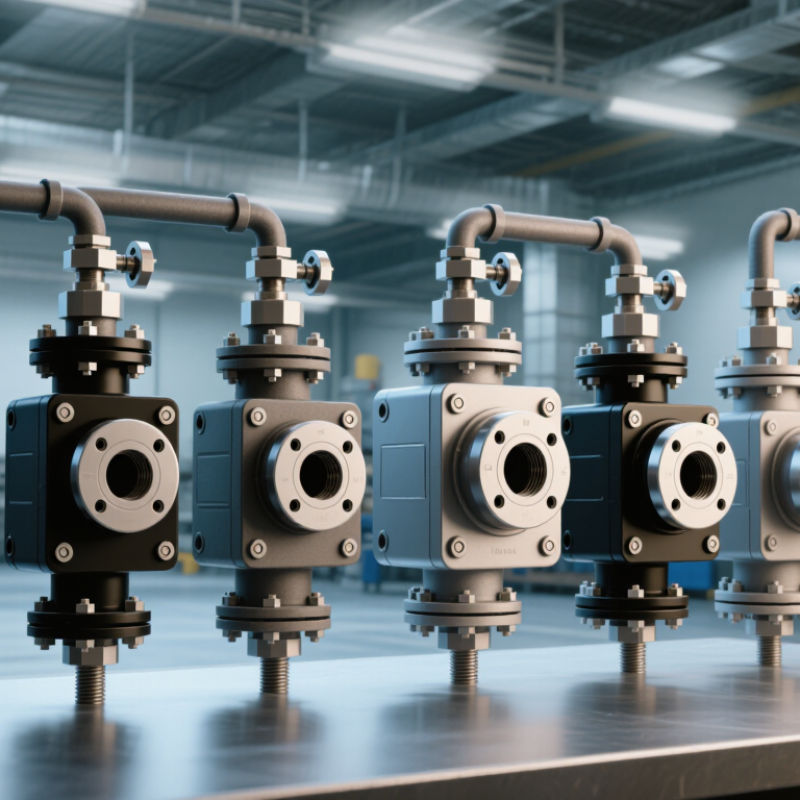
Fluid end modules are the working heart of many reciprocating pumps. They contain the wetted parts, including valves, seats, liners, pistons, packing, manifolds, and discharge covers. Each part controls how pressure becomes reliable flow. A small valve-seat mismatch can create vibration, leakage, and rapid wear. The sound changes first.
According to MarketsandMarkets’ Industrial Pumps Market report, the sector is projected to grow from about USD 66.9 billion in 2023 to USD 85.6 billion by 2028. This growth increases demand for serviceable, interchangeable fluid ends. Buyers should examine pressure ratings, flow requirements, metallurgy, elastomer compatibility, and operating temperature. API 674 provides a recognized framework for reciprocating positive-displacement pumps, while API 7K applies to selected drilling and well-servicing equipment. Compliance documents matter, but they do not replace dimensional inspection.
Experienced maintenance teams also check surface finish, bolt patterns, valve lift, and spare-part availability. A module may look identical yet fail because its liner tolerance differs by a fraction of a millimeter. According to the U.S. Energy Information Administration, global liquid fuels consumption remains measured in tens of millions of barrels per day, keeping pumping reliability commercially important. Still, buyers sometimes overvalue maximum pressure. Real performance depends on abrasive solids, pulsation, cleaning practices, and operator discipline. That assumption deserves review.
7 Best Fluid End Modules for Global Buyers: What Fluid End Modules Are and Why They Matter
Fluid end modules are the pressure-containing sections of reciprocating pumps. Bore size directly affects fluid displacement and helps buyers balance flow rate, pressure capability, power demand, and service life.
The chart compares theoretical displacement per triplex-pump stroke for seven commonly used bore sizes with a 12-inch stroke and 100% volumetric efficiency. Values are calculated using the cylinder-volume formula and are intended for engineering comparison, not a product performance guarantee.
Key Specifications Global Buyers Should Compare
7 Best Fluid End Modules for Global Buyers
Key Specifications Global Buyers Should Compare
Selecting the best fluid end module depends on pressure, drilling conditions, maintenance access, and local service capacity. Forged alloy steel, duplex stainless steel, nickel alloy, ceramic-lined, high-pressure, sour-service, and quick-change modules cover different operating needs. Each option has trade-offs.
Compare maximum working pressure first. Then check bore diameter, stroke rate, fluid temperature, and connection dimensions. A larger bore is not automatically better. It may increase flow, but it can also raise pulsation and sealing demands. Ask for verified pressure-test records, material certificates, and dimensional drawings. These documents support reliable purchasing decisions.
Material compatibility deserves close attention. Abrasive mud can damage ordinary surfaces quickly. Corrosive fluids may require duplex or nickel-based materials. Sour-service applications need documented resistance to hydrogen sulfide and suitable seal compounds. Inspect liner thickness, valve-seat design, piston fit, and drain paths. Small design details matter.
Global buyers should also compare replacement time, spare-part availability, packaging protection, and technical support. A modular quick-change design may reduce downtime, but only when trained technicians and correct tools are available. Field inspections often reveal mismatched seals or unclear tolerances. That is an avoidable weakness. Request installation instructions, inspection intervals, warranty terms, and traceable quality records before approving the module.
Seven Leading Fluid End Module Options by Application
7 Best Fluid End Modules for Global Buyers
Seven Leading Fluid End Module Options by Application
Fluid end modules should match the liquid, pressure, temperature, and maintenance routine. For drilling mud, a forged alloy-steel module offers strong fatigue resistance. High-pressure water injection needs a precision-machined plunger module with reliable sealing. Chemical dosing benefits from stainless steel or nickel-based construction. Abrasive slurry requires a hardened or ceramic-lined fluid end. Seawater service often favors duplex stainless steel with chloride resistance. High-temperature process fluids need heat-stable alloys and carefully selected packing. Hygienic applications require smooth internal surfaces and drainable designs. These seven options cover common industrial demands, but they are not interchangeable.
Field experience shows that small details affect service life. A poorly matched valve seat can cause vibration, leakage, and uneven flow. Buyers should review actual fluid concentration, particle size, operating pressure, and cleaning chemicals. Ask for pressure-test records, material certificates, and dimensional drawings. Confirm spare-part availability in the destination market. No selection chart is perfect. Real operating data still matters most.
Tips: Compare peak pressure, not only normal pressure. Check seal compatibility. Request a sample maintenance schedule. Leave room for thermal expansion. I have seen buyers overlook flushing water quality, then blame the module for premature wear. That mistake is avoidable.
How to Evaluate Materials, Compatibility, and Service Life
7 Best Fluid End Modules for Global Buyers
How to Evaluate Materials, Compatibility, and Service Life
Choosing among seven fluid end module types requires more than comparing purchase prices. In field maintenance, material selection often determines whether a module survives weeks or several years. Carbon steel suits moderate pressure and controlled fluids. Stainless steel offers better resistance to water and mild chemicals. Duplex stainless steel handles chloride exposure more confidently. Nickel alloys support aggressive chemical service. Titanium performs well in selected corrosive environments, but its cost and wear limits need careful review. Hardened alloy steel resists impact and pressure cycling. Ceramic-lined designs can reduce abrasive damage, though brittle sections require disciplined handling.
Compatibility starts with the actual fluid, not its general name. Check pH, chloride content, temperature, solids concentration, pressure, and flow speed. A module rated for “chemical service” may still fail in hot brine with sand. Seals, plungers, valves, and connection surfaces must match the same operating conditions. Small mismatches matter. Ask for test data, heat-treatment records, dimensional drawings, and traceable inspection reports. Experienced suppliers should explain failure modes, not only quote specifications.
Service life depends on loading patterns and maintenance quality. Inspect wear surfaces after early operation, especially when fluid composition changes. Record vibration, leakage, pressure fluctuation, and liner wear. These details reveal problems before an emergency shutdown. In practice, no material wins every application. I have seen expensive alloys underperform because the wrong seal was installed. That mistake is easy to miss. A slightly conservative selection, supported by real operating data, is often safer than an impressive laboratory rating.
Global Purchasing Factors: Standards, Supply, and Support
7 Best Fluid End Modules for Global Buyers
Global buyers should judge fluid end modules by standards, supply continuity, and support. A practical seven-module shortlist includes forged high-pressure designs, corrosion-resistant alloy modules, quick-change units, shear-sensitive configurations, abrasive-service modules, compact retrofit units, and spare-ready packages. Each choice should match pressure, flow, fluid chemistry, and operating temperature.
Verify technical documents before comparing prices. API 674 and ISO 13710 can guide reciprocating pump requirements, while drilling applications may require additional equipment standards. Ask for material certificates, heat-treatment records, dimensional reports, and pressure-test results. A certificate alone proves little if traceability stops at the warehouse. That weakness deserves attention.
Supply planning matters globally. The International Energy Agency’s Oil 2024 report forecasts oil demand at 105.4 million barrels per day by 2030. That outlook supports continued equipment demand, but not every supplier can maintain production during regional disruptions. The United Nations Conference on Trade and Development reports that maritime transport carries over 80% of global merchandise trade. Buyers should therefore confirm dual-source options, export documents, packing methods, and realistic lead times. Field support is equally practical. Require installation drawings, recommended torque values, inspection guidance, and stocked wear parts. A lower quotation may become costly when one seal or liner delays commissioning. Response time matters more than polished promises.