What is a Charging Data Cable and How Does It Work?
In our tech-driven world, the importance of the Charging Data Cable cannot be overstated. Expert Allen Richard, a veteran in the electronics industry, emphasizes, "Without reliable data cables, your device's potential can never be fully realized." This statement highlights the essential role these cables play in our daily digital interactions.
Charging Data Cables are not just for powering devices. They transfer data swiftly and efficiently. Many people overlook this dual functionality. High-quality cables ensure fast charging and seamless data transfer. Yet, many still rely on inferior products, leading to potential risks and inefficiencies.
Each cable type has its unique specifications. Understanding these nuances is vital for consumers. You might think a cable is just a cable, but subtle differences can impact performance. A poor-quality cable can generate heat and slow down data transfer. Reflecting on these aspects will help users make better choices.
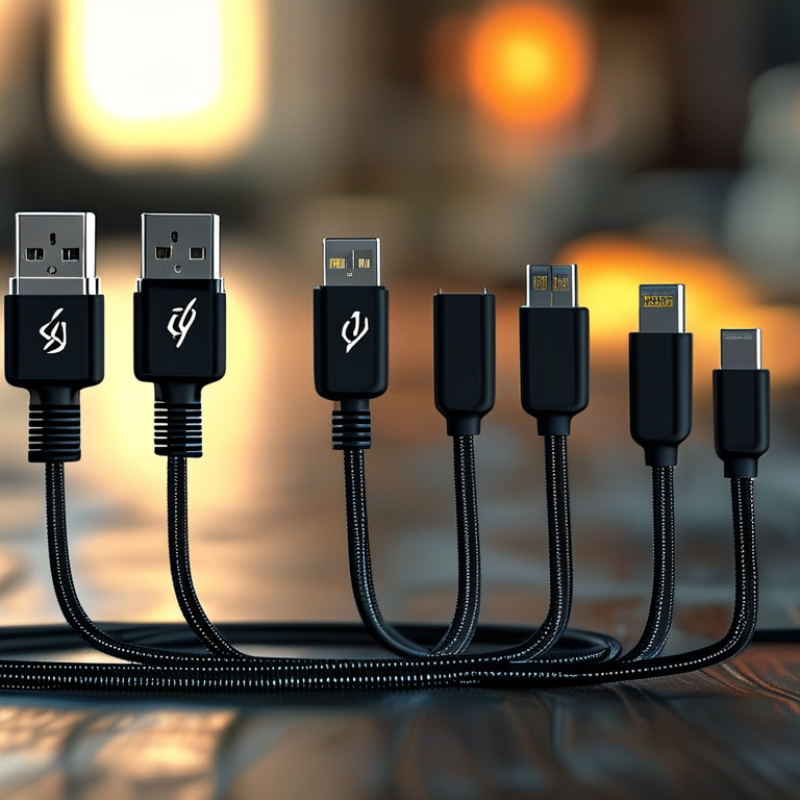
Definition and Purpose of Charging Data Cables
Charging data cables serve a dual purpose in the realm of technology. They are essential for transferring data and charging devices simultaneously. These cables are commonly seen with smartphones, tablets, and other portable gadgets. Understanding their role can enhance the efficiency of how we use our devices.
At a basic level, a charging data cable consists of copper wires insulated within a protective casing. The copper carries electrical current to charge a device, while additional wires manage data transfer. This dual functionality streamlines the user experience, allowing for quick syncing and charging. However, not all cables are created equal. Some may focus more on charging speed, while others prioritize data transfer rates.
One might wonder about the quality of the materials in use. Poorly made cables can lead to slow charging and data corruption. It’s crucial to pay attention to manufacturing details. A healthy cable should feel sturdy and not fray easily. In contrast, choosing a cheaper option might save money but could hinder performance. Users need to reflect on their choices and invest in reliable options for optimal functionality.
Types of Charging Data Cables: USB, Lightning, and Others
Charging data cables come in various types, each serving specific purposes. USB cables are ubiquitous and versatile. They are used for charging devices and transferring data between computers and mobile gadgets. Most modern smartphones and laptops rely on USB cables for effective data sync, providing standard connection methods.
Lightning cables, used primarily with certain devices, showcase a unique connector design. Their compact size makes them convenient for portable devices. They often support fast charging and data transfer, making them efficient. While they excel in specific ecosystems, they may not be compatible with other devices, leading to frustration.
Other types include USB-C, the newest standard, offering faster data transfer and charging capabilities. They are reversible, making them user-friendly. However, the rapid evolution of connectors can confuse consumers. Understanding each type is crucial. Choosing the right cable impacts both device performance and user experience.
How Charging Data Cables Transfer Power and Data
Charging data cables serve a crucial role in portable technology. They transfer both power and data between devices. These cables typically feature copper wire conductors, which efficiently conduct electricity. For instance, cables with thicker wires can transmit energy faster and support higher currents. This is important for devices requiring quick charging options.
Data transfer happens through different protocols. USB 2.0 cables can transmit data at speeds up to 480 Mbps, while USB 3.0 can reach 5 Gbps. Understanding these specifications helps in choosing the right cable for your needs. Many users overlook the importance of compatibility. A high-speed cable won’t perform well if paired with an outdated port.
When selecting a charging data cable, always consider length and material. Shorter cables may minimize resistance, but longer cables provide flexibility. Additionally, cables made from high-quality materials usually offer better durability. A cheap cable can wear out quickly or even damage your device in the long run. Look for options that support both charging and data transfer, ensuring a versatile usage experience.
What is a Charging Data Cable and How Does It Work?
| Cable Type | Data Transfer Speed | Power Output | Compatibility | Typical Use Case |
| USB Type-C | Up to 40 Gbps | Up to 100W | Smartphones, Laptops | Data transfer and fast charging |
| USB 3.0 | Up to 5 Gbps | Up to 4.5W | Computers, External Hard Drives | Data transfer between devices |
| Micro USB | Up to 480 Mbps | Up to 2.5W | Older Smartphones, Accessories | Charger and data transfer for older devices |
| Lightning | Up to 480 Mbps | Up to 12W | Apple Devices | Charging and syncing for iPhones and iPads |
Key Features to Consider When Choosing a Charging Data Cable
Choosing the right charging data cable can make a significant difference in your device’s performance. One key feature to consider is compatibility. Not all cables work with every device. You must ensure that the cable supports your specific model. This can prevent overheating and damage to your device. Additionally, cable length matters. A longer cable offers flexibility but may reduce charging speed.
Another aspect to evaluate is durability. Look for cables with reinforced connectors. They tend to withstand twisting and bending better than standard cables. A well-constructed cable can last longer, saving you money in the long run. Speed is also essential. Check the data transfer rate. A high-speed cable can significantly cut down file transfer time.
Lastly, consider the material. Some cables are made with a rugged exterior that resists wear and tear. However, these may feel less flexible. Reflect on your usage habits. If you often travel, a more portable option may suit you better. Finding the ideal balance of features can be challenging, but it ultimately leads to a better user experience.
Common Issues and Solutions with Charging Data Cables
Charging data cables play a crucial role in powering our devices and transferring data. However, they often encounter issues that can disrupt this essential function. One common problem is physical wear and tear. Frequent bending or tugging can lead to frayed wires. This usually results in intermittent charging or slow data transfer. Regularly inspecting cables for signs of damage can save you a lot of frustration.
Another issue is connectivity problems, which can arise from dirty or oxidized connectors. Dust and debris can prevent a proper connection, leading to charging failures. Cleaning connectors gently with a soft cloth can help restore functionality. Sometimes, using cables with different specifications can also cause issues. Voltage mismatches can damage devices or lead to ineffective charging. Always ensure your cable’s specifications align with your device’s requirements.
Occasionally, software glitches may cause charging problems. Restarting a device can sometimes resolve this. Users often overlook this simple step. Testing the cable with different devices can further pinpoint the issue. Understanding these common problems allows users to troubleshoot effectively. Awareness is key, and addressing these small issues can prolong the life of your charging data cable.