China Top 10 Power Distribution Cabinet Manufacturers
A Power Distribution Cabinet is more than a metal enclosure with breakers inside. It directs power, supports protection, and affects how easily a facility can be maintained. In a factory, for example, a cabinet may sit beside a production line, where dust, heat, vibration, and limited access shape its real-world performance. Small design choices matter.
Thomas Edison, the electrical engineer and inventor, is often credited with the remark, “The value of an idea lies in the using of it.” That principle fits cabinet selection: specifications must work beyond the drawing board. This guide to China’s top ten Power Distribution Cabinet manufacturers considers product range, engineering capability, quality systems, customization, and service support. Buyers should also check rated current, short-circuit withstand capacity, enclosure protection, component traceability, and testing documentation. A polished catalog is not enough.
Details count. A cabinet that fits the room but blocks maintenance access can create avoidable problems. Manufacturer rankings also depend on the application, project requirements, and available evidence; they should not be treated as universal verdicts. Some comparisons may remain imperfect, especially when public data is uneven. That deserves scrutiny. Use this overview as a starting point, then verify current certifications, technical records, references, and delivery capabilities directly with each supplier. The right choice is not simply the biggest name. It is the manufacturer whose documented design and support match the site’s operating conditions.
Understanding Power Distribution Cabinets and Their Applications
China Top 10 Power Distribution Cabinet Manufacturers
Understanding Power Distribution Cabinets and Their Applications
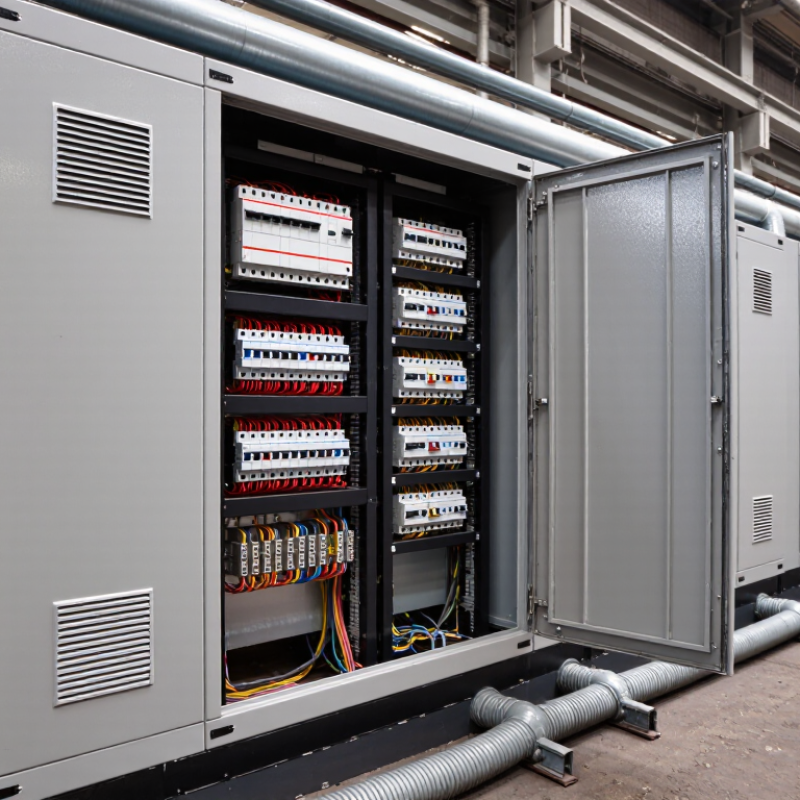
A power distribution cabinet receives electrical power and routes it to several circuits. Inside, busbars, circuit breakers, switches, and meters work together to manage and monitor supply. The cabinet also helps limit damage when a fault occurs, provided its protective devices are correctly selected and coordinated. The details matter.
In a factory, one cabinet might feed motors, lighting, and control equipment across a production area. In an office building, separate circuits can serve elevators, air conditioning, and floor lighting. Data rooms often need stable distribution and clear circuit identification, since an unclear label can slow troubleshooting. Not always obvious.
Cabinet selection depends on load, installation location, expected fault current, and available space. A dusty workshop may need a more suitable enclosure than a clean electrical room. Heat also matters: tightly packed components can run hotter than expected. Maintenance access, readable labels, and room for future circuits are practical concerns, not decoration. A design can meet its initial needs yet still feel cramped after a small expansion. Regular inspection by qualified personnel helps reveal loose connections, unusual heat, or damaged insulation before these become larger problems.
How to Evaluate Chinese Power Distribution Cabinet Manufacturers
China Top 10 Power Distribution Cabinet Manufacturers
Choosing among Chinese power distribution cabinet manufacturers takes more than comparing quotations. Define the project’s voltage, rated current, fault level, installation environment, and applicable standards. Request drawings, component schedules, routine-test records, and clear explanations of protection and enclosure ratings. A low price does not prove poor quality, but unexplained omissions deserve attention. Small details matter.
Review factory inspection procedures, material traceability, and the process for handling defects. Ask how cabinets are tested for dielectric strength, wiring accuracy, and mechanical operation. For critical projects, verify relevant type-test evidence and check that the tested configuration matches your specification. Discuss delivery schedules, spare parts, and technical support before ordering. If possible, inspect a sample or visit the production floor. No checklist catches everything; a tidy audit can still miss a weak handover process, so record open questions and agree on written responses.
Tips: Compare like-for-like specifications, not just prices. Photograph labels, wiring routes, and assembly quality during inspections. Look closely. Confirm who approves drawing changes and who responds when commissioning reveals a mismatch.
China’s Power Distribution Cabinet Manufacturing Landscape
China’s power distribution cabinet manufacturing landscape is shaped by grid expansion, industrial demand, and renewable-energy connections. The National Energy Administration reported that China’s installed power-generation capacity reached 3.35 billion kW by the end of 2024, up 14.6% year on year. This figure signals a growing need for reliable distribution equipment, though it does not measure cabinet orders directly.
Manufacturers vary in production scale, engineering support, and testing capability. Buyers comparing suppliers should check rated voltage and current, short-circuit withstand ratings, enclosure protection, and temperature-rise test records. Ask how drawings, busbar layouts, and cable entry points are adapted to the actual site. Small details matter. A cabinet that fits a specification sheet may still create installation delays if its dimensions or wiring access are poorly planned. Supplier rankings can help with initial research, but they cannot replace a review of project-specific evidence.
Tips: Request test reports and a clearly defined bill of materials before comparing quotations. Confirm lead times for key components, not only the cabinet assembly. One gap is easy to overlook: published data rarely shows how consistently a factory maintains quality across different production batches.
China Power Distribution Cabinet Landscape: Common Voltage Levels
The chart shows representative nominal voltage levels used in China’s distribution networks, from low-voltage supply to medium-voltage feeders. These are voltage values, not manufacturer rankings, market shares, or production volumes.
Profiles of 10 Leading Power Distribution Cabinet Manufacturers in China
The ten profiles compare manufacturers by practical strengths, not brochure language. One specializes in compact low-voltage cabinets for crowded electrical rooms. Another offers custom layouts for factories with unusual load requirements. A third builds heavy-duty units for production lines. Others focus on commercial buildings, outdoor enclosures, or modular assembly. The details worth checking include enclosure thickness, busbar ratings, wiring access, and test documentation. Small design choices matter.
The remaining profiles cover digital monitoring, project engineering, export coordination, and standard cabinets with shorter lead times. Some manufacturers support drawings and sample reviews before production; others concentrate on repeat orders and consistent specifications. These differences can shape installation time and maintenance access. A polished catalogue is not proof of performance. Ask how each supplier verifies temperature rise, protection ratings, and component compatibility. Even a useful comparison has limits: actual suitability depends on the site, load, and applicable technical requirements.
Tips: Request a sample drawing and inspection records. Check cable-entry space and spare capacity. Confirm details in writing before ordering.
Comparing Manufacturers by Products, Certifications, and Service
A credible comparison of China’s leading power distribution cabinet manufacturers should examine product fit, verification, and service—not catalog size alone. The China Electricity Council reported approximately RMB 527.5 billion in grid investment in 2023, up 5.4% year on year. The International Energy Agency’s 2023 grids report says annual global grid investment must exceed USD 600 billion by 2030. These figures signal rising demand, but they do not prove that any supplier can meet a project’s needs.
Compare cabinet ranges by voltage level, rated current, short-circuit withstand capacity, enclosure protection, and indoor or outdoor use. Ask for drawings and test records for the exact configuration. IEC 61439 is a key reference for low-voltage switchgear assemblies; check which assembly and ratings the documents actually cover. ISO 9001 can indicate a quality management system, but it is not proof that every cabinet performs well. Fit matters.
Service is easy to overlook. Compare engineering support, delivery schedules, spare-part availability, commissioning guidance, and response times for faults. Ask whether technicians can review a site layout and resolve a wiring question before shipment. A limitation in any “top 10” ranking is that public data rarely shows actual repair speed or long-term failure rates. So request customer references and sample inspection records. Paperwork helps, but field evidence matters more.