Best Industrial Printing Systems in China for Global Buyers
China offers global buyers a wide range of Industrial Printing Systems, from compact coding units to high-speed presses for packaging, textiles, and components. The challenge is not finding a supplier. It is matching machine capability to the actual production line. A glossy sample proves little if the press cannot hold registration across a full shift.
Smithers’ The Future of Digital Printing to 2032 forecasts the broader digital-print market will reach $230.5 billion by 2032, up from $167.5 billion in 2022. This figure covers digital printing overall, not industrial systems alone, so it should be treated as market context—not a direct measure of factory equipment demand. Benny Landa, founder of Landa Digital Printing, is often quoted as saying, “Everything that can become digital will become digital.” The direction is clear. The practical details are less tidy.
For buyers, evaluation should start with the substrate, required throughput, print resolution, ink or curing process, and available floor space. Ask suppliers to demonstrate the machine on your own material, at your target speed. Inspect the finished sheets closely. Check color consistency, edge sharpness, and drying behavior. Then confirm spare-parts lead times, operator training, and service coverage in your region. These details can matter more than a polished brochure. A careful comparison takes time, and even a strong factory visit cannot replace a production trial.
Overview of China’s Industrial Printing Systems
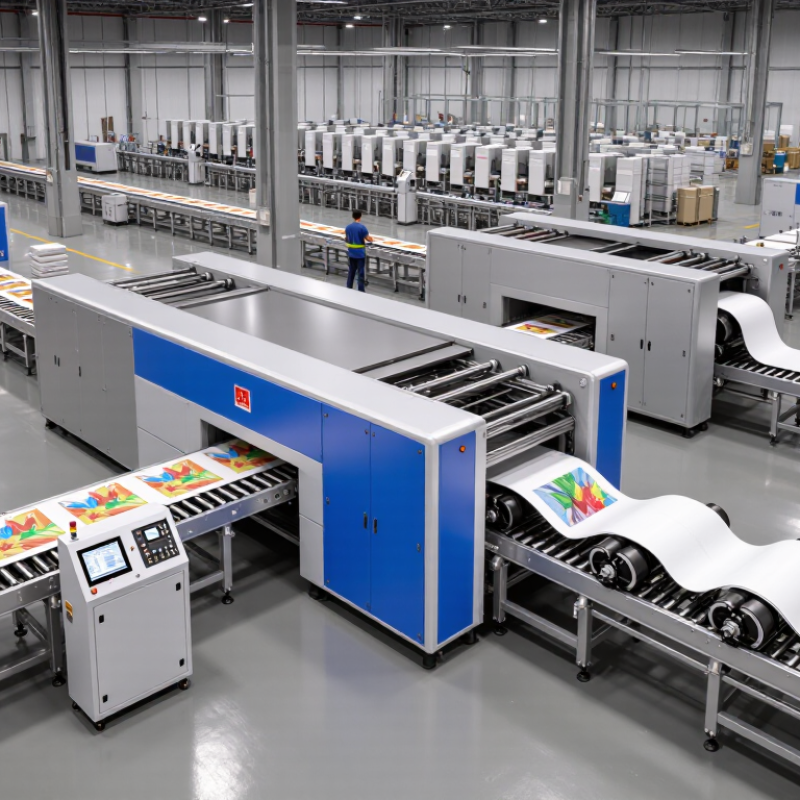
China’s industrial printing systems serve packaging, labels, textiles, building materials, and product identification. Buyers commonly compare inkjet, flexographic, screen, and transfer systems. The right choice depends on substrate, print volume, image durability, and changeover frequency. A carton line needs different equipment from a textile roll line. Small details matter: test ink adhesion on the actual material, not only on a sample sheet.
Smithers’ report, The Future of Global Printing to 2028, valued the global print market at about US$818.9 billion in 2023. This figure covers printing broadly, not China’s industrial equipment market. It provides useful context, but should not be mistaken for a China-specific sales estimate. China’s manufacturing base supports a wide supplier ecosystem, yet capabilities vary between factories. Request line-speed data, sample runs, and maintenance records before comparing quotations.
A practical assessment should include registration accuracy, drying time, waste during setup, and access to spare parts. Ask whether operators can clean printheads or adjust color without stopping production for long. A glossy sample can hide weak performance on a dusty, curved, or heat-sensitive surface. That is a real limitation. Some specifications also look precise on paper but need confirmation under production conditions.
Major Printing Technologies and Their Industrial Applications
Industrial printing choices depend on substrate, run length, surface shape, and acceptable setup waste. Flexographic presses suit long packaging runs, printing on films, labels, and corrugated board. Offset remains practical for high-volume cartons and paper products, where consistent color and fine detail matter. Screen printing deposits thicker ink layers on control panels, glass, and shaped components, though production is usually slower. Setup matters. A poorly matched process can create excess scrap before the first usable sheet.
Digital inkjet handles short runs, variable data, and frequent artwork changes without making new plates. Smithers’ The Future of Digital Printing to 2032 projects digital print value will reach $230.5 billion by 2032, reflecting wider adoption across packaging and commercial work. For parts and prototypes, additive 3D printing builds objects layer by layer; Grand View Research valued its global market at $20.37 billion in 2023. Industrial uses include jigs, fixtures, and low-volume components. Not always. A printer’s advertised speed rarely reflects curing time, cleaning, or material changes. Buyers should test actual substrates and inspect finished parts under production conditions; this step is easy to skip, and costly to regret.
Key Criteria for Comparing Chinese Printing Equipment
Comparing industrial printing systems in China starts with the production task, not a brochure’s headline speed. Record the substrate, printable width, daily volume, and smallest required text. Ask suppliers to print on your actual material. A glossy sample can hide problems with porous, curved, or heat-sensitive surfaces. Test it live.
Compare print consistency across a full shift, not just one successful pass. Inspect fine lines, solid color areas, and registration after repeated runs. Ask how often printheads need cleaning, what routine maintenance takes, and which components are consumables. These details affect usable output and operating cost. They are easy to overlook.
Check whether the system fits your workflow. Confirm file formats, production-line connections, operator controls, and installation requirements. Request a written service plan with response times, spare-part availability, and remote support options. Ask for references from users handling similar materials and volumes. Then verify the claims during a factory or sample test. Top speed is an easy number to compare, but it may not reflect reliable output in your plant. I would not treat any single specification as decisive.
Export, Installation, and After-Sales Support Considerations
Best Industrial Printing Systems in China for Global Buyers
Export, Installation, and After-Sales Support Considerations
A suitable industrial printing system is only part of a successful purchase. Global buyers should confirm export terms, packing details, and the documents supplied before production begins. Ask for the machine’s dimensions, shipping weight, and crate specifications. These details help you plan unloading and avoid surprises at the receiving dock. Request a clear list of included accessories and spare parts.
Installation planning should start before the equipment leaves the factory. Confirm the required floor space, power supply, ventilation, and network connections with your site team. Share photos or a simple floor plan with the supplier when possible. On arrival, inspect the crate for visible damage and record any concerns before unpacking. Small details matter. Remote guidance may be enough for a straightforward setup, but complex installations can require an experienced technician. A checklist can still miss something; real sites rarely match drawings perfectly.
After-sales support deserves the same attention as the purchase price. Ask how to reach technical staff, what information they need to diagnose faults, and whether training materials are available in a language your operators understand. Confirm spare-parts availability and typical dispatch arrangements in writing. Keep installation records, maintenance logs, and sample print settings in one shared file. Clear expectations make problems easier to solve, though no support plan can prevent every delay.