
Why Choose a Burr Free Pipe Cutter for Clean Cuts?

A clean pipe cut can save more than a few minutes. It can reduce hand-finishing, protect fittings, and help an installer keep a joint square. That is why a Burr Free Pipe Cutter matters in plumbing, maintenance, and fabrication work. The tool scores or shears the tube with controlled pressure, leaving less material to deburr by hand. On a copper line, that may mean a smoother edge and fewer loose fragments near the opening. Small details count.

“Good cutting is measured by the work left afterward, not just the cut itself,” says Evan Cole, a pipe-tooling specialist. A burr-free result can make assembly easier, but performance depends on the pipe material, wall thickness, cutter condition, and technique. A dull wheel or rushed turn may still leave an uneven edge. No tool fixes every mistake.

This guide looks at how a Burr Free Pipe Cutter produces cleaner cuts, where it can help, and what to check before buying one. We will consider cutting quality, ease of use, maintenance, and suitability for different jobs. Expect practical trade-offs, too. A compact cutter may fit tight spaces, yet feel slower on larger tubing. Clean edges are valuable—but the right cutter must also match the pipe and the person using it.
Why Choose a Burr Free Pipe Cutter for Clean Cuts?

What Is a Burr-Free Pipe Cutter?

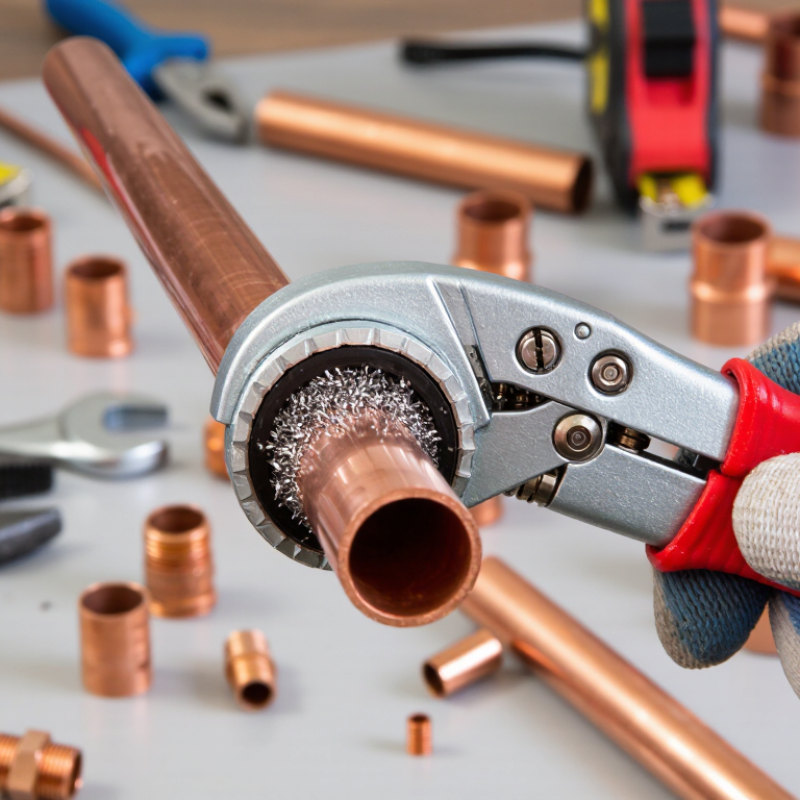
A burr-free pipe cutter is a tool designed to leave a smooth, nearly square pipe end with little raised metal. Many models use a hardened cutting wheel. As the wheel rolls around the pipe, gradual pressure scores and separates the wall rather than tearing it with coarse teeth. The result can make fitting and alignment easier, especially when a small lip would interfere with a close connection.

“Burr-free” is a practical description, not a guarantee. Pipe material, wall thickness, wheel condition, and feed pressure all affect the edge. A dull wheel or rushed cut may still leave a sharp ridge. Check the cut under good light and feel for a snag with a gloved hand; remove any remaining burr before assembly. Small details matter. The U.S. Bureau of Labor Statistics reported 3.3 recordable injury cases per 100 full-time workers in manufacturing in its 2023 Employer-Reported Workplace Injuries and Illnesses data. That figure covers manufacturing broadly, not pipe-cutting injuries specifically, but it is a useful reminder that sharp edges deserve careful handling. A clean cut helps; it does not replace inspection.

How Does Its Cutting Mechanism Produce Clean Edges?

A burr-free pipe cutter works by concentrating force along a narrow wheel, rather than removing material with a broad saw blade. As the wheel turns around the pipe, controlled pressure deepens one circular groove. The pipe wall is progressively displaced and sheared at that line, helping the cut stay square and limiting loose chips. Less chip-making means fewer sharp fragments around the work area.

A small detail matters.

The edge still depends on the setup. A misaligned wheel, excessive pressure, or a worn cutting edge can leave a raised lip, especially inside thin-wall tubing. Check the cut under good light, then feel for a sharp ridge with a gloved hand.

The U.S. Bureau of Labor Statistics reported 2.6 million nonfatal workplace injuries and illnesses in private industry for 2023, with an incidence rate of 2.4 cases per 100 full-time workers (2023 Survey of Occupational Injuries and Illnesses). Those figures cover many causes, not pipe cutting specifically, but they underline why controlling sharp edges matters.

Clean is not always perfect. Material hardness and operator technique still change the result.

What Benefits Does Burr-Free Cutting Provide?

A burr-free pipe cutter leaves a smoother edge, so tubing is easier to fit and prepare. The benefit is practical: fewer sharp metal lips to catch on gloves, damage a seal, or interfere with a close-fitting connection. That matters.

A clean edge can also reduce the time spent filing and cleaning before assembly. Less cleanup. With fewer loose chips around the cut, there is less debris to remove from the pipe interior. This is useful when small shavings could affect a valve or fitting.

A square, even end also helps the pipe seat consistently, though it cannot correct poor alignment elsewhere in the system.

Results depend on the material, pipe wall, cutter condition, and cutting pressure. For example, forcing a dull wheel through thin-wall tubing may still leave a rough edge. Check the cut under good light, and feel for a raised lip before assembly. A burr-free tool reduces common edge defects; it does not make inspection unnecessary. That distinction is easy to overlook.

Which Pipes and Applications Suit This Tool?

A burr-free pipe cutter is best suited to tubing that matches its stated diameter and material range. Common uses include copper and aluminum lines, where a controlled wheel can make a square cut with little edge cleanup. Some models also handle stainless steel, but the cutting wheel and pipe wall thickness must be rated for that work. Fit matters.

These cutters are useful for plumbing repairs, HVAC installation, and workshop projects, especially when a ragged edge could hinder a fitting or joint. A clean cut can also reduce loose metal fragments inside a line. In a cramped cabinet, the compact turning motion of a rotary cutter may be easier to manage than a saw. Check the clearance first.

The name does not guarantee a perfect edge on every pipe. Thick-wall steel, oversized tubing, and plastic pipe may need a different cutter or a separate deburring step. Plastic can deform if the tool applies uneven pressure. I would inspect the cut under good light and feel the rim carefully; a small lip can still remain. Follow the tool’s size limits, use the correct wheel, and secure the pipe without crushing it.

Why Choose a Burr-Free Pipe Cutter?

A rotary pipe cutter can make controlled, square cuts with less edge deformation than many rough-cutting methods. It is commonly suited to rigid copper and aluminum tubing; the correct cutter and wheel must be selected for the pipe material and size.

How to read this chart: Ratings are a qualitative guide to typical rotary wheel cutter suitability, not measured performance data. Copper and aluminum tubing are common applications. Plastic pipe compatibility depends on the cutter design; PEX is usually cut with a dedicated ratcheting cutter. Thin-wall steel requires a cutter and wheel rated for steel. Cast iron is generally outside the scope of standard rotary tubing cutters. “Burr-free” does not mean every cut needs no deburring—inspect the edge and follow the tool instructions.

How to Choose and Use a Burr-Free Pipe Cutter?

Why Choose a Burr Free Pipe Cutter for Clean Cuts?
How to Choose and Use a Burr-Free Pipe Cutter?

Choose a cutter that matches the pipe’s material, outside diameter, and wall thickness. A tool made for copper may not cut stainless steel cleanly. Check its rated range before buying, and make sure the cutting wheel is sharp and undamaged. Fit matters. The U.S. Bureau of Labor Statistics reported 2.8 recordable injury and illness cases per 100 full-time workers in manufacturing in 2023. That figure covers the industry, not pipe-cutting injuries specifically, but it reinforces the value of controlled work and sound tool selection.

Mark the cut around the pipe, then secure the pipe without crushing it. Keep the wheel square to the mark and tighten the cutter gradually as you rotate it. Forcing the wheel can deform thin tubing or leave a rough edge. Even a careful cut may have a slight internal lip, so inspect both edges under good light and use a suitable deburring tool when needed. Wear eye protection; tiny metal or plastic fragments are easy to miss. One detail worth reconsidering: “burr-free” is not a guarantee. Material, tool condition, and pressure all affect the finish. Sources: BLS, Employer-Reported Workplace Injuries and Illnesses, 2023; consult the cutter maker’s technical specifications for compatible pipe sizes and materials.

Why Choose a Burr-Free Pipe Cutter for Clean Cuts? — How to Choose and Use One

Cutter Type Common Pipe Materials Typical Use Cut Finish and Burrs How to Choose Basic Use Tips
Rotary tubing cutter Copper and other soft metal tubing; select models are designed for stainless steel or other harder metals. Plumbing, refrigeration, and other tubing work where a controlled, square cut is needed. Usually produces a clean cut with little external burr. The cutting wheel can leave an internal lip that may need reaming. Check the cutter’s stated material and diameter range. Choose a model with a wheel intended for the tubing material. Mark the cut, seat the tube squarely, and tighten the wheel gradually while rotating the cutter. Avoid excessive pressure, which can deform soft tubing.
Ratchet-style Plastic Pipe Cutter Compatible plastic pipe, such as certain PVC, CPVC, PEX, or polypropylene products, depending on the cutter design. Quick cuts on plastic pipe within the cutter’s specified size and wall-thickness limits. A sharp, correctly matched blade can make a relatively smooth cut. A worn blade or unsuitable pipe can cause crushing, a slanted cut, or a rough edge. Confirm the pipe material, outside diameter, and wall thickness are within the tool’s specifications. Do not assume one cutter suits every plastic pipe. Support the pipe, align the blade at a right angle, and operate the ratchet steadily. Inspect the cut end and remove loose fragments before joining.
Wheel cutter for steel or stainless steel Metal pipe or tubing only when the cutter and wheel are rated for that material. Metalworking and installation tasks requiring a controlled cut without a saw kerf. Can leave a sharp edge or internal burr; harder materials may require more rotations and a suitable cutting wheel. Verify material compatibility and pipe capacity. For stainless steel, use a cutter and wheel specifically suitable for stainless steel. Keep the wheel aligned and advance it gradually. Wear eye protection, secure the work, and deburr the inside and outside edges as needed.
Fine-tooth saw with a deburring tool Materials approved for the saw blade and deburring tool, including many plastic and metal pipe applications. Situations where pipe size, access, or material makes a dedicated cutter unsuitable. The saw cut may be rough or angled; a separate deburring step is generally needed for a smooth edge. Choose a blade suitable for the material and a deburring tool that can reach the pipe’s inner and outer edges. Secure the pipe, cut squarely, and remove chips. Deburr both edges without removing more material than needed.

Important: “Burr-free” does not guarantee that every cut needs no finishing. Inspect the cut, remove burrs or loose chips, and follow the pipe and fitting manufacturer’s preparation instructions before assembly.