How to Choose the Best Photovoltaic Connectors for Your System?
Choosing the best Photovoltaic connectors for your solar energy system can be daunting. The market offers various options, and each has its features. Renowned solar industry expert Dr. Emily Wang once stated, “Selecting the right photovoltaic connectors can significantly impact the efficiency and longevity of your system.” Her words remind us of the importance of this decision.
Photovoltaic connectors serve a crucial role in maintaining the performance of solar installations. Quality connectors ensure optimal energy transfer and prevent potential failures. Yet, many overlook this aspect when designing their solar systems. It’s easy to focus on panels and inverters while neglecting the connectors that tie everything together.
When browsing through options, consider factors like weather resistance and electrical ratings. Not all connectors are created equal. Some may claim durability but fail in harsh conditions. Reflecting on this can help you choose wisely. Remember, the right photovoltaic connectors must match your specific system requirements. Taking the time to evaluate your choices can lead to a more reliable and efficient solar solution.
Understanding Photovoltaic Connectors: Types and Applications
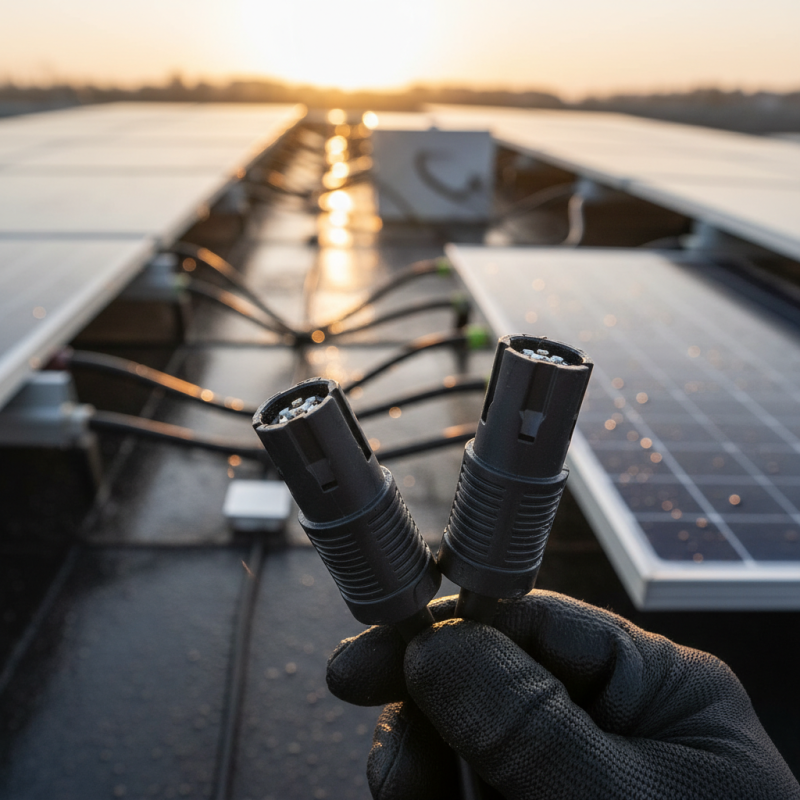
When selecting photovoltaic connectors, understanding their types is crucial. Connectors play a key role in the efficiency and safety of solar systems. Common types include MC4, T4, and multi-contact connectors. Each has unique features suitable for specific applications. For instance, MC4 connectors are widely used due to their reliability in outdoor conditions. They ensure a secure connection even in adverse weather.
Tips: Consider environmental factors before choosing connectors. If your system is in a humid area, opt for connectors with protective coatings. This helps prevent corrosion. Also, ensure compatibility with your panels and cables. Compatibility issues can lead to inefficiencies or even system failures.
It's essential to evaluate the current and voltage ratings as well. Using connectors that exceed your system’s specifications may create risks. Often, installers overlook this aspect. Regular checks can prevent unexpected performance drops. Keeping track of any wear or damages is vital for long-term reliability.
Key Factors to Consider When Selecting Photovoltaic Connectors
Choosing the right photovoltaic connectors can significantly impact your solar power system's efficiency. One key factor to consider is the connector’s rated current and voltage. Ensure that the connectors can handle the maximum output of your solar panels. This prevents overheating and potential failures.
When evaluating your options, look at the materials used. High-quality connectors often use durable materials that resist corrosion. They should also maintain good conductivity for optimal performance. Pay attention to the insulation quality. Poor insulation can lead to energy loss.
**Tip:** Check for safety certifications. This can give you confidence in the product's reliability.
Another aspect to focus on is ease of installation. Some connectors are designed for quick installation. Others may require special tools or expertise. Make sure you choose connectors that suit your skill level. This can save time and reduce frustration.
**Tip:** Don’t overlook compatibility. Ensure that the connectors match both your solar panels and inverters.
In summary, prioritize quality and compatibility. Avoid connectors that seem too cheap. They might cut corners that could affect performance. Reflect on what matters most to your installation.
How to Choose the Best Photovoltaic Connectors for Your System? - Key Factors to Consider When Selecting Photovoltaic Connectors
| Connector Type | Current Rating (A) | Voltage Rating (V) | Temperature Range (°C) | Material | Water Resistance (IP Rating) |
| MC4 | 30 | 1000 | -40 to 85 | PBT, Nickel-Plated Copper | IP67 |
| STP | 35 | 1500 | -40 to 90 | PP, Tin-Plated Copper | IP68 |
| H4 | 40 | 1000 | -40 to 85 | PPO, Brass | IP67 |
| Tyco | 25 | 1000 | -40 to 90 | Polyester, Gold-Plated | IP65 |
Evaluating Compatibility with Your Solar System Components
When selecting photovoltaic connectors, compatibility with your solar system components is crucial. Not all connectors are created equal, which can lead to performance issues. Studies show that mismatched connectors can reduce the efficiency of your solar array by up to 15%. This inefficiency might not be obvious at first, but over time, it adds up.
Evaluate wire gauges and temperature ratings of connectors. Incorrect gauges can cause overheating. Many experts recommend using connectors with a temperature rating of at least 90°C. Always consider environmental factors such as humidity and UV exposure. These conditions will affect your connectors' lifespan. A recent report highlighted that poor-quality connectors can fail within three years in harsh environments.
Moreover, think about the installation process. Some connectors are easier to handle than others. A complex installation can lead to mistakes. Look for user-friendly connectors, especially if you're not a seasoned installer. Some professionals argue that simpler options might compromise on some technical specifications. Balancing ease of installation with safety is essential. Your solar system's reliability depends on how well these components work together.
Always strive for thorough research to avoid potential pitfalls.
Assessing Durability and Environmental Resistance of Connectors
When selecting photovoltaic connectors, assessing their durability and environmental resistance is crucial. Connectors are exposed to harsh conditions, including extreme temperatures and moisture. A connector's life expectancy can be greatly affected by these elements.
Materials play a significant role. Connectors made from high-quality plastics tend to resist UV rays better. Metal components should also have good corrosion resistance to avoid degradation over time. For instance, connectors that struggle in saltwater environments might fail sooner than expected. Testing for water ingress is another important aspect.
While high durability is desired, some connectors might not meet all performance standards in real-world applications. It's essential to evaluate how connectors perform during harsh weather or other stressors. Regular inspections can help identify any wear and tear. Reflecting on past experiences can guide future choices, ensuring better long-term performance.
Cost Considerations and Long-Term Performance of Connectors
When selecting photovoltaic connectors, cost and long-term performance are crucial factors. High-quality connectors might come with a steeper initial price, but they often pay off in the long run. Cheaper options could lead to issues like overheating or poor connections, ultimately affecting system efficiency. A small upfront investment in reliable connectors can save significant repair costs and downtime later.
Long-term performance hinges on materials and design. Connectors made from durable materials resist corrosion and environmental stress. They can endure harsh weather, which is vital for outdoor installations. However, not all connectors are designed the same. Overspending doesn’t guarantee performance. It’s important to evaluate user reviews and performance metrics over time. Misleading marketing can lead to regretful purchases.
Reflecting on choices is essential. Reviewing connector specifications is necessary for informed decisions. Consider how connectors perform during different operating conditions. Quality assurance testing can reveal whether a certain connector meets industry standards. Balancing cost and performance may prove challenging, but it’s key to a reliable solar system.