How to Choose the Best Silent Diesel Generator for Your Needs?
Choosing the right silent diesel generator can be daunting. "The best generator fits both your power needs and your comfort," says industry expert John Smith, renowned for his insights on energy solutions. His words remind us that modern power needs go beyond sheer wattage.
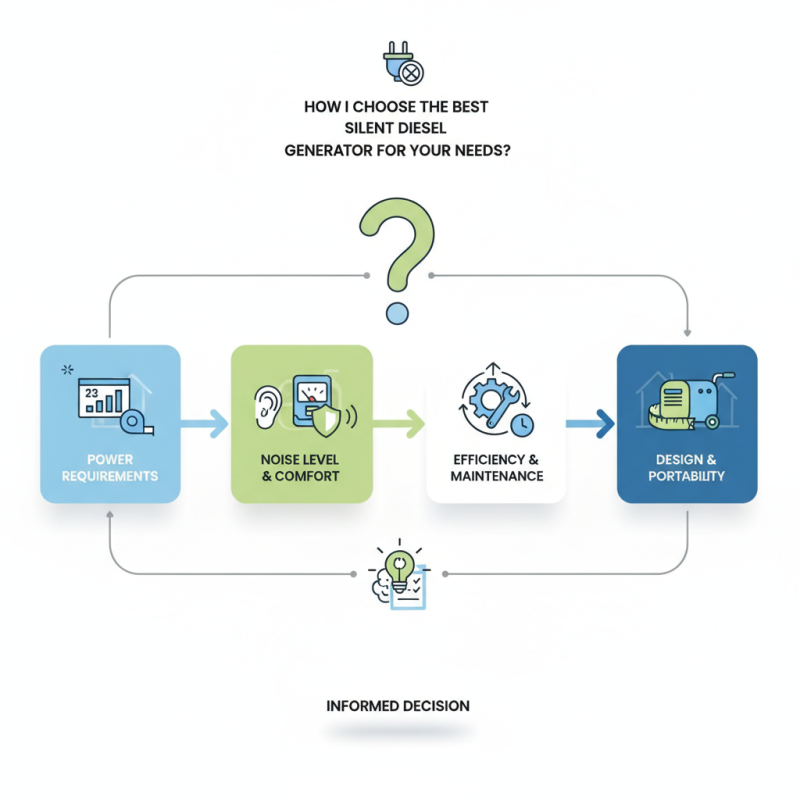
When searching for a silent diesel generator, consider your specific requirements. How much power do you actually need? It's easy to overestimate, leading to unnecessary expenses. Many focus only on noise level, yet efficiency and maintenance are equally vital factors. A generator that operates quietly but requires frequent repairs may render it less effective.
The design and portability of a silent diesel generator are also crucial. Not all models are user-friendly. Remember, aesthetics matter. A bulky generator may burden your space, while a sleek design enhances usability. Ultimately, the best choice hinges on careful evaluation of these factors. Listen to your needs and make an informed decision.
Understanding the Basics of Silent Diesel Generators
Silent diesel generators are increasingly popular due to their efficiency and low noise levels. Understanding how these generators operate is essential for effective use. These generators combine diesel engines with soundproofing technology. This reduces noise while maximizing power output. Many users appreciate this, especially for residential or sensitive environments.
The key component is the engine itself. Diesel engines are robust and provide a reliable power source. They're preferable over gasoline engines for their fuel efficiency. However, they can be heavy and may require regular maintenance. It's crucial to check oil levels and filters frequently. Not doing so can lead to performance issues.
Installation location also matters. Even silent models need proper ventilation. Poor airflow can cause overheating. Some users underestimate this factor and experience generator shutdowns. Additionally, consider the power requirements of your appliances. It's easy to oversize a generator, leading to wasted fuel and increased emissions. Careful calculations can optimize performance and cost-effectiveness.
How to Choose the Best Silent Diesel Generator for Your Needs?
| Feature | Description | Importance |
| Noise Level | Measured in dB, crucial for residential areas. | High |
| Fuel Efficiency | How much fuel is consumed per hour of operation. | High |
| Power Output | Measured in kW or kVA, indicates the maximum load it can handle. | Critical |
| Portability | Weight and design for easy movement. | Medium |
| Runtime | Duration it can run on a full tank of fuel. | High |
| Start Type | Manual vs. electric start options. | Medium |
| Maintenance Requirements | Ease of service and availability of parts. | High |
| Safety Features | Overload protection, low oil shutdown, etc. | Critical |
Key Factors to Consider When Choosing a Silent Diesel Generator
Choosing a silent diesel generator requires careful consideration. One key factor is the noise level. Look for generators with a decibel rating below 60. This ensures quiet operation, especially in residential areas.
Another essential aspect is fuel efficiency. A diesel generator should operate for long hours without frequent refueling. Check the fuel consumption rate. A generator that burns less fuel saves money over time.
Tip: Always calculate your power needs. Consider the wattage of appliances you will operate. This helps prevent overload.
Portability is also important. Some models are portable, while others are stationary. If you need to move your generator frequently, a lighter model might be necessary.
Tip: Don't ignore maintenance requirements. Regular checks are crucial for longevity. An overlooked maintenance schedule can lead to unexpected failures.
Assessing Your Power Needs and Requirements
When selecting a silent diesel generator, assessing your power needs is crucial. You must understand how much electricity you require for essential appliances. For instance, a typical household may need around 5 kW to run basic equipment like refrigerators and lights. However, larger establishments can demand up to 20 kW or more, especially when considering air conditioning units.
Reports indicate that about 30% of users underestimate their power requirements. This often leads to generator failure during peak usage. Calculating total wattage for everyday items is essential. A refrigerator may consume around 600 watts, while lights can add another 300 watts. It is easy to overlook kitchen gadgets or entertainment systems in your calculations. As a result, being thorough is vital.
Using a power requirement calculator can ease this process. These tools help in evaluating both startup and running watts. However, real-world usage often presents challenges, such as sudden power surges. Ensure to account for these fluctuations when making decisions. Without proper assessment, you might end up with insufficient power capacity or overspend on unneeded capabilities. Carefully plan your usage and seek insight from professionals if needed.
Comparing Noise Levels and Features of Different Models
Choosing the best silent diesel generator can be challenging. Noise levels vary significantly among different models. Some generators operate quietly, while others produce a noticeable hum. If noise is a concern, pay attention to decibel ratings. A model rated at 60 dB is less intrusive than one at 75 dB. However, don't assume that a quieter generator lacks power. It's essential to balance noise levels with performance needs.
In addition to noise, consider the generator's features. Some generators come with advanced safety features. These might include automatic shut-off systems and fuel efficiency indicators. Others may offer multiple power outlets for greater convenience. Think about how you will use the generator. Will you need it for camping, home backup, or construction? Each use case has different requirements.
Evaluate the benefits carefully. Sometimes, a cheaper model with higher noise may seem like a bargain. But, it could cost you more in the long run due to its inefficient fuel usage. Reflect on your priorities. A model that meets your noise level expectations may not have all the features you want. You must weigh your options thoughtfully.
Maintenance and Longevity: Ensuring Optimal Performance
When selecting a silent diesel generator, maintenance is crucial for longevity. Studies show that regular maintenance can extend the lifespan by up to 30%. A monthly inspection is vital. Check the oil levels, coolant, and air filters. These components impact overall performance significantly.
Using quality fuel also matters. Low-quality diesel can lead to build-up and inefficiency. A report from the Electric Power Research Institute suggests that clean fuel helps maintain optimum engine health. An often-overlooked aspect is the generator's environment. Dust and moisture can compromise functionality. Ideally, store the generator in a dry, clean space.
Additionally, even with the best maintenance practices, problems can arise. Some users report that they encounter startup issues due to battery failures. Keeping an eye on battery health is essential. Not all maintenance practices yield the expected results, and understanding the nuances can be challenging. Keeping records of maintenance activities can help identify trends over time.
Maintenance and Longevity of Silent Diesel Generators