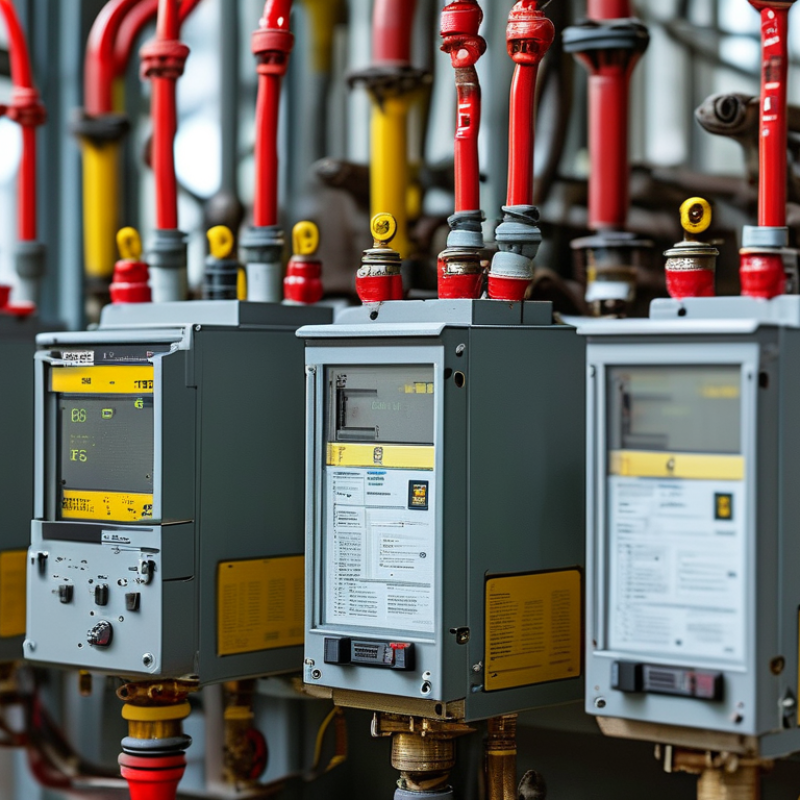
Why Choose the Best Industrial Current Transformer for Your Needs?
Choosing the right Industrial Current Transformer is crucial for your operations. This decision impacts measurement accuracy and equipment safety. A quality transformer ensures precise current measurement, which is vital for effective electrical systems management.
Many factors influence your choice. You need to consider load capacity, voltage ratings, and installation conditions. A mismatch can lead to inefficiencies and potential hazards. Relying solely on low prices might seem tempting but can compromise on reliability.
Understanding specifications can be daunting. However, consulting experts in the field can provide valuable insights. They can help clarify which Industrial Current Transformer best suits your specific needs. Remember, investing time in research pays off in ensuring long-term efficiency and safety.
Importance of Industrial Current Transformers in Modern Industry
Industrial current transformers play a crucial role in modern industry. They help monitor electrical systems, ensuring safety and efficiency. By transforming high currents into manageable levels, they protect devices and personnel. Every industry relies on equipment that demands accurate current readings.
In energy generation and distribution, current transformers provide essential data. They contribute to protection systems, allowing for quick responses to faults. This functionality is vital for maintaining uninterrupted operations. However, not all transformers suit every application. Choosing the wrong model can lead to inefficiencies or system failures. This uncertainty emphasizes the importance of expert advice.
Common issues arise from poor selection. Often, companies overlook factors like voltage ratings and sensitivity. This oversight can result in upscaled operational costs. Investing time in research and seeking knowledgeable insights can mitigate risks. Ultimately, understanding the importance of industrial current transformers is fundamental for operational success.
Key Factors to Consider When Choosing a Current Transformer
Choosing the right industrial current transformer (CT) involves understanding several key factors. One primary consideration is accuracy. According to industry reports, precision is vital for energy management and equipment protection. A CT with accurate ratings ensures effective monitoring, reducing the risk of costly downtime.
Another critical factor is the transformer's thermal rating. High temperatures can degrade performance and reliability. Research indicates that transformers operating at their rated thermal limits can face accelerated aging. Therefore, assessing environmental conditions is essential for your selection process.
Reliability is also closely linked to build quality. Industrial environments can be harsh, so choosing durable materials is crucial. Reports suggest that 25% of transformer failures stem from poor construction. Thus, scrutinizing specifications and past performance data helps prevent future issues. Each aspect deserves reflection, as small oversights can lead to significant operational setbacks.
Why Choose the Best Industrial Current Transformer for Your Needs? - Key Factors to Consider When Choosing a Current Transformer
| Factor | Description | Importance |
| Accuracy | The ability of the transformer to provide precise readings, crucial for efficiency. | High |
| Burden Rating | The maximum load the transformer can support without losing its accuracy. | Medium |
| Frequency Range | The operational frequency range suitable for the transformer. | High |
| Insulation Class | The level of insulation that defines the operating temperature range. | High |
| Size and Weight | The physical dimensions and weight affect installation and application. | Medium |
| Cost | Price of the transformer in comparison to its features and reliability. | High |
| Environmental Conditions | Suitability for various environmental factors such as humidity and temperature. | High |
Types of Industrial Current Transformers and Their Applications
Industrial current transformers (CTs) are essential for measuring and monitoring electrical currents. They come in various types, each suited for specific applications. Understanding these options is crucial in selecting the right transformer.
For example, wound-type transformers are often used in medium-voltage applications. They provide a high accuracy level, typically around 0.5%. This precision makes them ideal for utility companies and industrial settings. According to industry reports, approximately 30% of energy loss in manufacturing can be traced to poor current measurements.
Another common type is split-core transformers. These offer easy installation and maintenance. They can be clamped onto existing cables without needing to disconnect power. Their versatility allows for broad use in both commercial buildings and renewable energy systems. However, users often overlook their limitations, such as reduced accuracy compared to wound types, which can impact monitoring efficiency.
Finally, there are measurement transformers designed for specific applications, such as harmonic measurement in power systems. These devices can detect voltage and current signals accurately, even in noisy environments. In modern industry, relying on the wrong CT can lead to significant errors. Understanding the unique characteristics of each type is vital for effective electrical management.
Benefits of Selecting the Right Current Transformer for Your Project
Selecting the right current transformer is essential for project success. The right transformer enhances performance and ensures safety. An appropriate device can handle the specific requirements of your application. This selection is critical in industrial environments, where precision matters.
Choosing wisely can save time and costs. A current transformer that matches your needs avoids unexpected failures. It also reduces downtime during operations. Proper functioning means less maintenance and fewer disruptions. Industry standards play a key role in guiding your selection. Collaborating with experienced professionals can provide valuable insights.
However, making the ideal choice isn’t always easy. Sometimes, users overlook specifications that lead to future issues. It’s important to reassess your requirements regularly. New technologies emerge frequently, impacting efficiency. By reflecting on past decisions, you increase the chances of selecting a more suitable model next time.
Benefits of Selecting the Right Current Transformer for Your Project
Common Mistakes to Avoid When Purchasing Current Transformers
When purchasing current transformers, many buyers overlook critical details. This may lead to costly mistakes later. Choosing the right current transformer is crucial for your application's efficiency. Many assume that all transformers are interchangeable, but this is far from true.
One common mistake is failing to consider the transformer's rating. Ensure it matches your system's needs. Too high or too low a rating can cause measurement inaccuracies. Additionally, consider the accuracy class of the transformer. A low accuracy class may not provide reliable data, leading to potential operational issues.
Another area of concern is installation. Improper installation can undermine the transformer's performance. It’s essential to follow guidelines meticulously. Also, don’t ignore environmental factors. The operating temperature and humidity can affect the transformer’s lifespan.
**Tips**: Always verify specifications against your requirements. Consulting with an expert can save you time and money. Consider testing a prototype if possible. This will help identify any mismatches early on. Make informed decisions to enhance reliability and efficiency in your operations.