10 Tips to Choose the Best Portable Multi Gas Detector?
Choosing the right Portable Multi Gas Detector is a safety decision, not merely a product comparison. In confined spaces, maintenance areas, and industrial plants, a detector may face dust, moisture, vibration, temperature changes, and long shifts. Its performance depends on more than the number of gases it can measure. Sensor type, alarm speed, battery life, sampling method, calibration needs, and user training all matter.
Kent McElhattan, founder of Industrial Scientific and a respected gas detection industry leader, said, “Nobody should die on the job just to make a living.” That principle gives this topic real weight. A detector must help workers recognize oxygen deficiency, toxic gas exposure, and combustible atmospheres before conditions become dangerous. It should also support clear decisions when visibility is poor and every second matters.
This guide presents 10 practical tips for choosing the best Portable Multi Gas Detector. It considers field durability, sensor configuration, display readability, alarm options, data logging, charging systems, and service support. It also explains why bump testing and scheduled calibration cannot be ignored. Small details matter.
A perfect detector does not exist. Even a high-quality model can fail through poor maintenance, incorrect placement, or user confusion. That is the uncomfortable part. Buyers sometimes focus on price and overlook ownership costs. This guide encourages a more careful approach, combining manufacturer specifications with workplace experience and professional judgment. The goal is not to choose the most advanced instrument, but the most dependable one for the actual hazards, people, and working conditions involved.
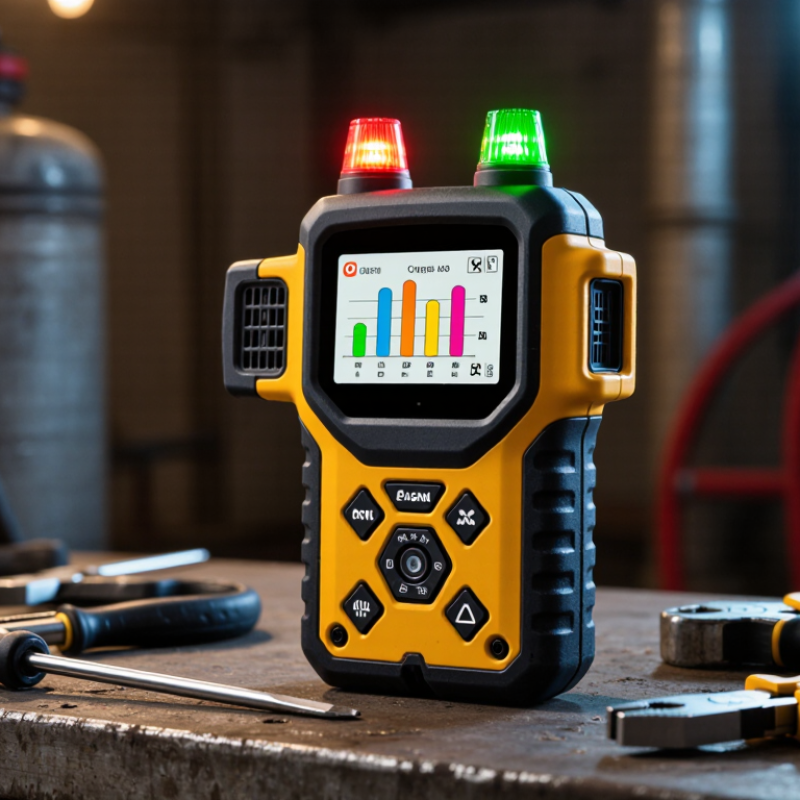
Identify the Gases and Hazards You Need to Monitor
Choosing a portable multi gas detector starts with the gases present at your worksite. Do not select a device because it monitors “many” gases. Identify oxygen deficiency, combustible vapors, and toxic substances from process data, safety records, and previous measurements. A tank entry may require oxygen, flammable gas, hydrogen sulfide, and carbon monoxide monitoring. Different work areas can need different sensor combinations.
Tip 1: Map the hazard before selecting sensors. Check whether gases are lighter or heavier than air. Sampling height matters. A detector near the floor may miss a gas collecting above the worker. Consider leaks, confined spaces, ventilation changes, and nearby chemicals. Sensor ranges and alarm settings should match realistic exposure risks, not only normal readings. Short alarms are useful.
Tip 2: Review sensor limitations carefully. Some sensors may respond to several gases, causing false alarms or missed warnings. Confirm cross-sensitivity data with the technical manual and a qualified safety professional. Tip 3: Plan calibration and bump testing. A detector can look perfect while its sensor has weakened. Keep records of tests, battery condition, alarms, and service dates. In practice, users sometimes focus on the display and forget the sampling line. That mistake deserves attention. Confirm the instrument responds before every critical task, and reconsider the gas list when processes, materials, or ventilation systems change.
Compare Detection Technologies, Ranges, and Measurement Accuracy
Choosing the best portable multi gas detector starts with its sensing technology. Electrochemical sensors usually measure oxygen and toxic gases at low parts-per-million levels. Infrared sensors can monitor combustible gases without consuming oxygen. Catalytic sensors often detect flammable gases across a broad range, but they may lose accuracy in oxygen-deficient spaces. Photoionization sensors can identify volatile organic compounds, though humidity and compound type affect their readings.
Compare measurement ranges with the hazards at your site. A methane sensor showing 0–100% LEL suits combustible-gas checks, while a toxic-gas sensor may need a 0–100 ppm range. A wider range is not automatically better. It can reduce resolution near the alarm threshold. Check the stated accuracy, resolution, response time, and cross-sensitivity data. A reading of 5 ppm is less useful if the accuracy is ±5 ppm.
Real working conditions can change the result. Test the detector near tanks, drains, and low points, not only in clean air. Temperature, humidity, pressure, and dust can influence sensor performance. Perform a bump test before each shift and schedule full calibration according to the manufacturer’s instructions. I have seen users trust a fresh battery while ignoring an overdue calibration. That is a dangerous assumption. Alarm volume, vibration, screen visibility, battery life, and glove-friendly controls also matter. Read the datasheet. Then question whether its laboratory accuracy matches your actual workplace.
Evaluate Sensor Life, Battery Runtime, and Alarm Performance
Choosing a Portable Multi-Gas Detector starts with the sensors, not the display. Check expected life for oxygen, combustible, and toxic-gas sensors separately. Replaceable sensors can reduce downtime, but only if parts remain available and calibration is practical. In field checks, I record installation dates and compare readings during scheduled bump tests. A sensor that still powers on may respond too slowly. That distinction matters.
Battery runtime should match the longest shift, with reserve for alarms, cold weather, and wireless logging. A claimed 18-hour runtime may shrink near freezing temperatures or after repeated charging. Test one fully charged unit through a realistic workday, including warm-up and alarm use. I once trusted the percentage display too much. The detector died before handover.
Alarm performance deserves a hands-on test. Confirm sound pressure, vibration strength, visual visibility, and response time in noisy, dusty areas. Wear gloves and hearing protection during trials. Can you feel the vibration through a jacket? Can a worker read the screen in direct sunlight? Review alarm latching, low-battery warnings, and event records. I prefer clear, distinct tones, though personal preferences can mislead. Verify performance against the manual and calibration records, not assumptions.
Check Durability, Certification, Size, and Ease of Use
A portable multi gas detector should survive the worksite, not only the showroom. Check its drop resistance, water and dust protection, operating temperature, and battery performance. A sealed housing helps in rain, while a strong clip prevents accidental falls. Ask whether the sensor openings can resist dust, oil mist, and routine cleaning. I once underestimated glove comfort. That was a mistake.
Certification deserves careful attention. Request current certificates, test reports, and calibration records before purchasing. Confirm that the device matches the safety requirements of your region and work environment. Certification marks alone may not explain sensor limits or replacement rules. Check the detection range, alarm settings, response time, and calibration interval. A qualified safety professional should review unclear documents. Do not rely on a sales description.
Size affects real use. A detector should fit securely on a belt or harness without blocking movement. Its display must remain readable in darkness, bright sunlight, and through protective eyewear. Large buttons help workers wearing thick gloves. Clear alarms matter too: vibration, sound, and visible lights should be easy to distinguish. Test the menus with one hand. Keep it simple. Examine battery charging, sensor replacement, data logging, and maintenance access. A smaller unit is not always better. If workers avoid carrying it, even accurate measurements become useless. Field trials with actual users can reveal problems that specifications miss.
Review Calibration, Maintenance, Data Features, and Total Cost
Choosing a portable multi-gas detector requires more than comparing sensor counts. Calibration, maintenance, data handling, and total cost often determine field reliability. The U.S. Bureau of Labor Statistics recorded 5,283 fatal work injuries in 2023, showing why dependable atmospheric monitoring matters. A detector is only useful when its readings remain trustworthy.
Tip 1: Review calibration control. Check whether the device supports documented calibration, traceable gases, and clear sensor response records. NIOSH guidance emphasizes proper instrument testing before use. A daily bump test can reveal blocked inlets, weak batteries, or failed alarms. Calibration intervals still depend on exposure, sensor type, and site conditions. Fixed schedules are convenient, but not always correct. I have seen teams follow them without reviewing sensor drift. That deserves reconsideration. Tip 2: Examine maintenance details. Look for replaceable filters, accessible sensor modules, battery health indicators, and protection against dust or water. IEC 60079-29-2 provides guidance for selecting, installing, using, and maintaining flammable-gas detectors.
Tip 3: Treat data as a safety asset. Useful records include alarm time, gas concentration, user identity, calibration status, and location. Export should be simple. Complicated software becomes ignored. Tip 4: Calculate total cost, not purchase price. Include calibration gas, regulators, sensor replacement, charging equipment, software, training, downtime, and disposal. A lower-priced unit may become expensive after repeated sensor changes. Compare three years of ownership. Keep the assumptions visible. Data quality, maintenance discipline, and realistic operating costs should guide the final choice.