How to Choose the Best Wifi Doorbell for Your Home?
Selecting the right Wifi Doorbell can be a daunting task. According to Jerry Colvin, a smart home technology expert, "The right doorbell can enhance your home security and convenience." With various models on the market, each boasting unique features, it’s essential to assess your needs carefully.
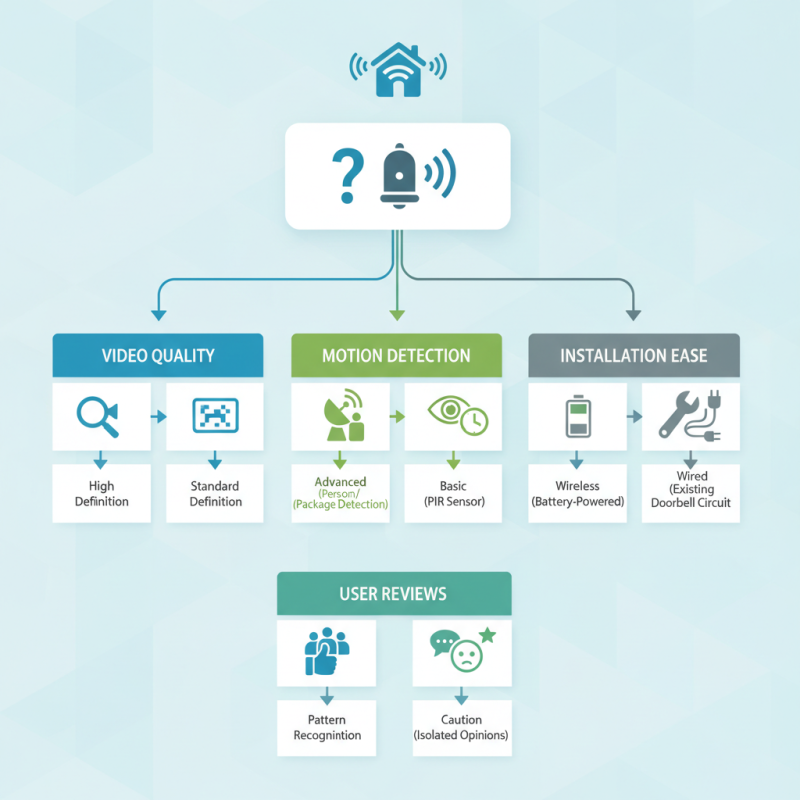
Many factors come into play when choosing a Wifi Doorbell. Think about video quality, motion detection, and ease of installation. Some doorbells offer high-definition video, while others may fall short. Understanding these differences can guide your choice.
Furthermore, user reviews are invaluable. They can provide insight into real-world performance. However, not all reviews are reliable. Be cautious and consider patterns in feedback rather than isolated opinions. This cautious approach helps ensure your Wifi Doorbell meets your specific requirements effectively.
Understanding Wifi Doorbells: Key Features to Consider
When selecting a WiFi doorbell, understanding key features is crucial. Look for video quality, as clear footage is essential. A resolution of at least 1080p is ideal for monitoring your entrance effectively. Night vision capability is another feature to consider, ensuring visibility after dark.
Tips: Test the night vision quality before purchase. Poor low-light performance can lead to missed events. Ease of installation should not be overlooked either. Some models require professional help, while others can be set up easily by yourself.
Consider the field of view; a wider angle allows for better coverage. Many doorbells have a narrow lens that may miss important details. Don't forget about the two-way audio feature. This can enhance security by allowing communication with visitors without opening the door. Finally, ensure the doorbell is compatible with your home WiFi for smooth operation.
Evaluating Video Quality: Resolution and Night Vision Capabilities
When choosing a WiFi doorbell, resolution and night vision capabilities matter. High video resolution ensures clear footage. Look for at least 1080p for crisp images. The more pixels, the better the detail. A sharper video helps identify faces and objects. It can also assist during incidents.
Night vision is equally crucial. Effective night vision can make a significant difference. Many doorbells feature infrared technology to enhance low-light visibility. Check the distance they can capture in darkness. Some models may struggle in complete darkness. They'll leave you with grainy images.
Tips:
- Don't overlook the field of view. A wider angle covers more area.
- Consider the placement of your doorbell. Is it well lit at night?
- Test the night vision in your environment before you decide.
How to Choose the Best Wifi Doorbell for Your Home? - Evaluating Video Quality: Resolution and Night Vision Capabilities
| Feature | Option 1 | Option 2 | Option 3 |
| Video Resolution | 1280 x 720 (HD) | 1920 x 1080 (Full HD) | 2560 x 1440 (QHD) |
| Night Vision | IR LEDs, 30 ft range | Color Night Vision, 50 ft range | IR LEDs & Color, 60 ft range |
| Field of View | 120 degrees | 160 degrees | 180 degrees |
| Audio Features | Two-way audio | Noise reduction | Echo cancellation |
| Storage Options | Cloud storage (subscription) | Local SD card | Hybrid storage |
Assessing Compatibility: Integration with Smart Home Systems
When choosing a WiFi doorbell, assessing compatibility with your smart home systems is crucial. Many homeowners overlook this step. A doorbell should easily integrate with existing devices. Check if it works well with platforms like smart lights, locks, or voice assistants. This compatibility ensures you can control everything from one central hub.
Consider your current smart home setup. If you have various devices, choose a doorbell that supports multiple protocols. Look for options that include features such as customizable notifications or seamless streaming. Sometimes, users forget to verify whether their WiFi network can support these devices. A weak connection can lead to issues.
It’s also wise to reflect on your usage habits. Some doorbells may require constant app updates. This might be inconvenient for some users. Think about how often you interact with these gadgets. If you want hassle-free integration, prioritize ease of use. Compatibility is not just about fitting in but enhancing your overall experience.
Battery Life and Power Sources: Wired vs. Wireless Options
When selecting a WiFi doorbell, consider the power source: wired or wireless. Wired options offer consistent power, ensuring uninterrupted operation. They require installation and may involve some electrical work. However, once set up, they deliver reliable performance. If you prefer a traditional setup, wired doorbells might be the way to go.
Wireless doorbells provide flexibility and simple installation. They run on batteries, eliminating the need for hardwiring. Choose a model with long battery life for convenience. Keep in mind, battery life can vary significantly. Some models may underperform, requiring frequent charging or battery replacements. It's crucial to read user reviews and ratings for insights.
Think about the location of your doorbell. If it's in a place that’s hard to access, a wired option might save you hassle. On the other hand, wireless models can be repositioned easily. Balancing convenience with reliability should guide your choice. Make an informed decision based on your home’s specific needs.
Exploring Additional Features: Motion Detection and Two-Way Audio
When selecting a WiFi doorbell, motion detection is a key feature to consider. Effective motion sensors can alert you to movement outside your home, even before someone rings the bell. This allows for early awareness of visitors or potential intruders. Some models can distinguish between humans and animals, which reduces unnecessary alerts. However, the sensitivity settings can sometimes be hit or miss. It’s essential to adjust these settings based on your environment.
Another valuable feature is two-way audio. This allows you to communicate with visitors directly through the doorbell. Imagine greeting a delivery person or deterring a suspicious individual without opening your door. Sound quality and clarity are crucial here. Sometimes, the audio might not sync perfectly or succeed in providing a clear connection. Testing how it performs in different conditions can offer important insights.
While these features greatly enhance the functionality of a WiFi doorbell, they are not perfect. Battery life can be affected by constant alerts from motion detection features. Connectivity issues can also disrupt communication during important moments. Exploring reviews and seeking firsthand experiences can help in making a more informed decision. Remember, a doorbell is not just a gadget; it’s part of your home security.
Comparison of Wifi Doorbell Features