How to Choose the Right Bent-axis Motor for Your Needs?
Choosing the right Bent-axis Motor can seem challenging. The market is vast, filled with various options that differ in specifications and features. Many factors determine the best choice for your unique needs. Understanding these aspects is crucial for effective decision-making.
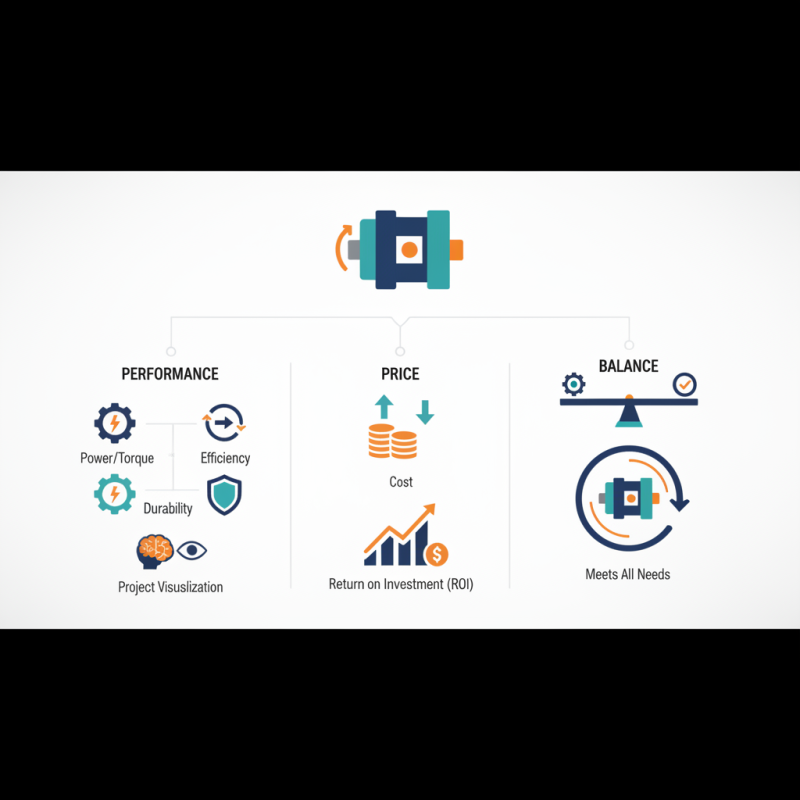
One important detail is performance. Different applications demand different power levels and torque capacities. Some motors offer higher efficiency, while others focus on durability. It's vital to consider your specific requirements and how they align with a Bent-axis Motor’s capabilities. Visualizing your project can help clarify your choices.
Furthermore, price can influence your decision. Higher costs do not always equate to better quality. Evaluating the return on investment is necessary. As you analyze these options, remember that the ideal motor isn't just about performance or price. It's about finding balance. Embrace the complexity of your options and ensure the Bent-axis Motor you choose meets all your needs effectively.
Understanding the Basics of Bent-axis Motors
Bent-axis motors are essential components in various industrial applications. Understanding how they work is vital. These motors convert hydraulic energy into mechanical energy. The design features a unique angled axis that enhances efficiency. This setup allows for higher torque at lower speeds, making them suitable for many tasks.
The choice of a bent-axis motor depends on specific needs. Consider factors such as the required torque and speed range. For heavy-duty applications, higher torque is critical. However, this can lead to increased complexity. You may need to balance performance with maintenance needs. Sometimes, the perfect fit may not be as straightforward as expected.
Gearing and mounting options can complicate the selection process. Not all configurations work well for every situation. You might face challenges in fitting a motor into tight spaces. Exploring alternatives can open new possibilities. Evaluating multiple motor types could reveal surprising benefits or drawbacks. The learning curve can be steep, but thorough research can lead to better decisions.
Key Factors to Consider When Selecting a Bent-axis Motor
When selecting a bent-axis motor, consider several key factors. Efficiency is crucial. Look at the performance curves. Motors with high efficiency reduce energy consumption. This is essential for long-term cost savings. Another important aspect is the load capacity. Not all motors can handle the same load. Assess your specific needs carefully. This way, you avoid under-specifying or over-specifying.
The size of the motor matters too. A compact motor may fit your design better. Space constraints can limit your choices. Conversely, larger motors may provide more power but can be cumbersome. Think about your application’s requirements. What kind of torque do you need? Different tasks demand different specs.
Lastly, consider the cooling requirements. Some motors generate heat. Managing this is vital for reliability. Overheating can lead to motor failure, which is undesirable. Reflect on how the motor will be used continuously. Where will it be installed? Near heat sources or in confined spaces? These factors affect your choice significantly. Balancing these elements takes time, yet it's necessary for a successful application.
Comparing Performance Characteristics of Different Bent-axis Motors
When selecting a bent-axis motor, it's essential to consider various performance characteristics. These motors come with different displacement options, which affect torque and speed. A larger displacement typically means higher torque output. However, it may lead to lower maximum speeds. This balance is crucial. Without proper evaluation, you might end up with a motor that doesn’t fit your application.
Another key aspect is the efficiency of the motor. Some designs optimize fluid flow, enhancing overall performance. However, efficiency isn’t always the main focus in certain applications. Striking a balance is sometimes a challenge. A motor with high efficiency may have higher initial costs but lead to lower operational costs over time. It’s worth considering long-term benefits versus upfront expenses.
Furthermore, think about the operating conditions. Some motors perform better under high temperatures, while others excel in cold environments. Understanding your application’s demands can lead to better choices. Don't overlook feedback from previous users. Their insights can be incredibly valuable. Mistakes in selection can be costly, so reflect thoroughly. Each decision shapes your system's performance.
Application-Specific Requirements for Bent-axis Motors
Choosing a bent-axis motor requires understanding application-specific needs. Different applications demand distinct performance criteria. For example, a construction vehicle needs high torque for heavy lifting. In contrast, a manufacturing robot may prioritize speed and precision. This basic knowledge helps narrow down options effectively.
Another aspect to consider is the operating environment. Motors operating in harsh environments must withstand temperature extremes and dust. Not every bent-axis motor is built for such conditions. Strength and durability are critical factors here. However, overlooking these requirements can lead to motor failure, resulting in downtime and additional costs.
You should also evaluate the required power output. Underestimating this can lead to inefficient processes. If the motor lacks sufficient power, the machine may struggle. More power typically requires a larger motor, which could affect space constraints in your design. Selecting the right size while meeting power needs is a challenging balance to maintain.
Maintenance and Longevity Considerations for Bent-axis Motors
When it comes to bent-axis motors, maintenance is vital. Regular upkeep can prevent unexpected failures. This can save both time and money in the long run. Simple checks, like inspecting seals and fluid levels, can make a big difference. Make it a routine to clean the motor's exterior. Dirt and debris can lead to overheating.
Longevity hinges on usage patterns. If the motor frequently operates at high speeds, consider temperature monitoring. High temperatures can accelerate wear. It is essential to evaluate your application and operating conditions regularly. Unforeseen issues can arise, leading to costly repairs. Documenting maintenance activities can help track important changes over time.
Don't overlook lubrication. The right type and amount can enhance performance. Too much or too little can cause issues. Surprisingly, many overlook the importance of following recommended guidelines. Always reflect on the motor's performance after prolonged use. Small adjustments can lead to significant benefits. Regular assessments can highlight areas for improvement and ensure a long-lasting motor.