2026 How to Choose the Right Circuit Board Manufacturing Partner?
In the rapidly evolving field of circuit board manufacturing, selecting the right partner is crucial for success. According to a recent report by Smithers Pira, the global circuit board market is projected to exceed $80 billion by 2026, underscoring the industry’s growth. Quality and reliability are paramount in this competitive landscape. As industry expert Dr. Emily Chen emphasizes, “A solid partnership can make the difference between a successful product and costly failures.”
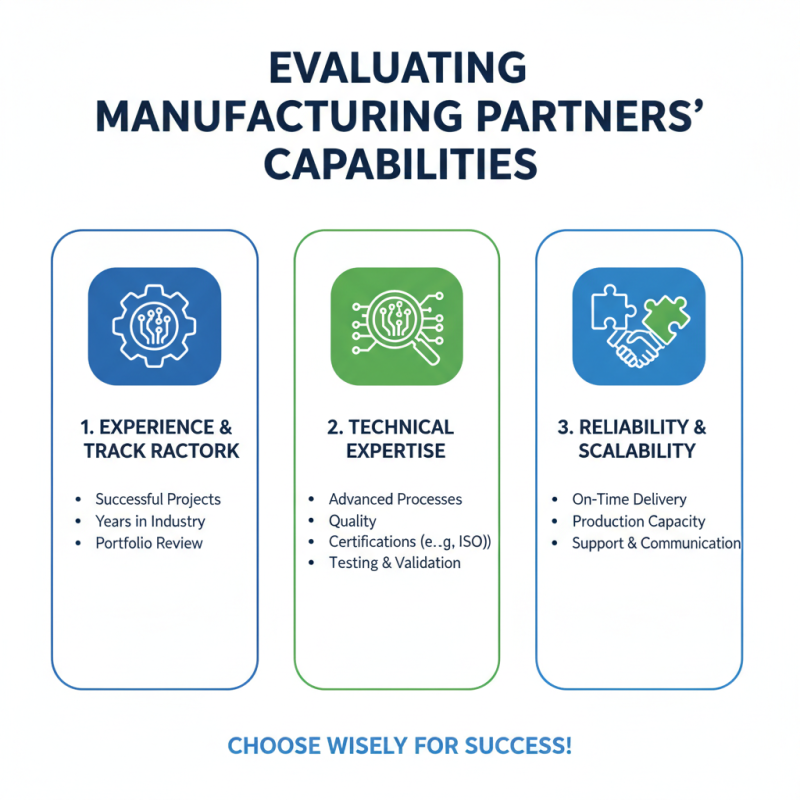
Choosing a circuit board manufacturing partner involves more than cost considerations. Companies must assess their own needs and the capabilities of potential partners. Key factors include technological expertise, production capacity, and the ability to meet stringent quality standards. A regrettable choice can lead to delays and increased costs, proving detrimental in a race to market.
Understanding the intricate details of circuit board manufacturing can be overwhelming. Factors like material selection and design complexities demand attention. Businesses should ask tough questions about a partner’s track record and certifications. A well-informed choice can foster innovation and efficiency. Even the most successful companies occasionally face setbacks in this intricate process.

Understanding Your Circuit Board Manufacturing Needs
Understanding your circuit board manufacturing needs
is crucial for success. Knowing your project’s specifications helps streamline the selection process.
Consider the complexity of your design. Complex layouts require specialized skills.
Simpler designs may have more flexible options.
Think about the volume of production. Are you looking for a small prototype run or mass production?
Different manufacturers excel in different areas. Some may focus on high-volume orders,
while others thrive in custom prototypes.
Assessing your specific needs will direct you to the right partner.
Quality control is another important factor.
Evaluate potential partners on their quality assurance processes.
Request information on testing methods they employ.
A reputable partner should provide details on certifications and previous projects.
It’s beneficial to inquire about their response to past issues.
This reflection can reveal their commitment to improvement.
Assessing Quality Assurance and Compliance Standards
When choosing a circuit board manufacturing partner, understanding quality assurance and compliance is crucial. A robust quality assurance system ensures that the products meet industry standards. It's essential to evaluate the manufacturer's certifications and their adherence to international standards. Ask about their processes for testing and inspection. Are they proactive in quality management?
Establishing clear communication about compliance is vital. A reliable partner should not only meet industry standards but also keep you informed of any changes in regulations. Regular audits and transparency in operations build trust. Look for manufacturers offering detailed documentation of their quality processes.
Tips:
Inquire about their past quality issues and resolutions. This reveals their problem-solving capabilities.
Review customer feedback regarding their quality assurance practices. Positive testimonials often indicate reliability.
Examine their commitment to continuous improvement. A factory consistently evolving showcases dedication to quality.
Analyzing Cost Factors and Budget Considerations
When selecting a circuit board manufacturing partner, cost factors play a pivotal role. Price is often the first consideration, but deeper analysis is crucial. A recent industry report indicates that raw material prices account for about 30% of total manufacturing costs. This means fluctuations in material costs can significantly impact your budget. For example, copper and substrate prices have shown volatility, which can lead to unexpected expenses.
Labor costs represent another significant factor. In many regions, skilled labor shortages drive prices higher. A 2022 study highlighted that countries with a strong emphasis on technical education had a 15% lower labor cost than those lacking such programs. This disparity underscores the importance of location when choosing a manufacturing partner.
Moreover, hidden costs can arise in quality assurance and shipping. Often, manufacturers may offer lower upfront prices but may charge more for revisions and quality checks. It's vital to assess the total cost of ownership, not just the initial investment. As the industry evolves, a careful evaluation of all cost elements is essential for making an informed decision.
2026 How to Choose the Right Circuit Board Manufacturing Partner? - Analyzing Cost Factors and Budget Considerations
| Cost Factor |
Description |
Estimated Cost Range |
Considerations |
| Material Quality |
Quality of PCB materials used (e.g., FR-4, high-frequency materials) |
$0.50 - $2.00 per square foot |
Higher quality materials can increase durability and performance. |
| Production Volume |
Number of units being manufactured |
$500 - $10,000+ depending on volume |
Bulk orders often reduce per-unit cost. |
| Complexity of Design |
The intricacy of the PCB layout and components |
$200 - $5,000 additional |
More complex designs require advanced technology and can drive up costs. |
| Testing and Certification |
Cost of quality assurance and compliance testing |
$100 - $1,500 |
Essential for ensuring product meets industry standards. |
| Lead Time |
Time required from order to delivery |
$0 - $500 for expedited services |
Shorter lead times may come at a premium cost. |
| Shipping Costs |
Cost to transport finished products |
$50 - $500+ based on distance and method |
Factors include location and delivery speed. |
Exploring Ongoing Support and Communication Channels
When selecting a circuit board manufacturing partner, ongoing support and efficient communication are essential. According to recent industry reports, companies with effective communication channels see a 40% increase in project success rates. Clear communication reduces misunderstandings and accelerates problem-solving. Therefore, assess potential partners on their responsiveness and availability.
Consider how they manage support. Do they offer multiple contact methods? A reliable partner should have email, phone, and live chat options. 67% of manufacturers note that quick responses are crucial in maintaining a strong relationship. Regular check-ins can help keep both parties aligned, enabling timely adjustments to project needs.
Tip: Evaluate their customer support by asking about their response times. Also, observe their willingness to collaborate on complex issues. A partner who engages proactively can be invaluable. Reflect on any previous partners who lacked support. This can highlight the need for a thorough vetting process. Strong ongoing support fosters a productive partnership, ensuring your projects run smoothly from design to delivery.