2026 How to Choose the Right Fiber Switch for Your Network?
Choosing the right Fiber Switch for your network can be a daunting task. Experts emphasize its importance. John Smith, a leading consultant in network infrastructure, once said, “The right Fiber Switch can transform your network’s performance.” Understanding your specific needs is crucial.
Fiber Switches vary greatly in capacity, speed, and features. You might feel overwhelmed by the numerous options available. Each choice can significantly impact your network's efficiency and reliability. In today’s fast-paced digital world, selecting a suitable Fiber Switch isn't just a technical decision; it is strategic as well.
Be wary of common pitfalls when choosing a Fiber Switch. Not all switches are created equal, and the wrong choice can lead to performance issues. Take time to evaluate the needs of your organization. Look for scalability, compatibility, and support. Reflection on these factors can ultimately lead you to the best Fiber Switch for your network.
Understanding Fiber Switches: Types and Functions in Networking
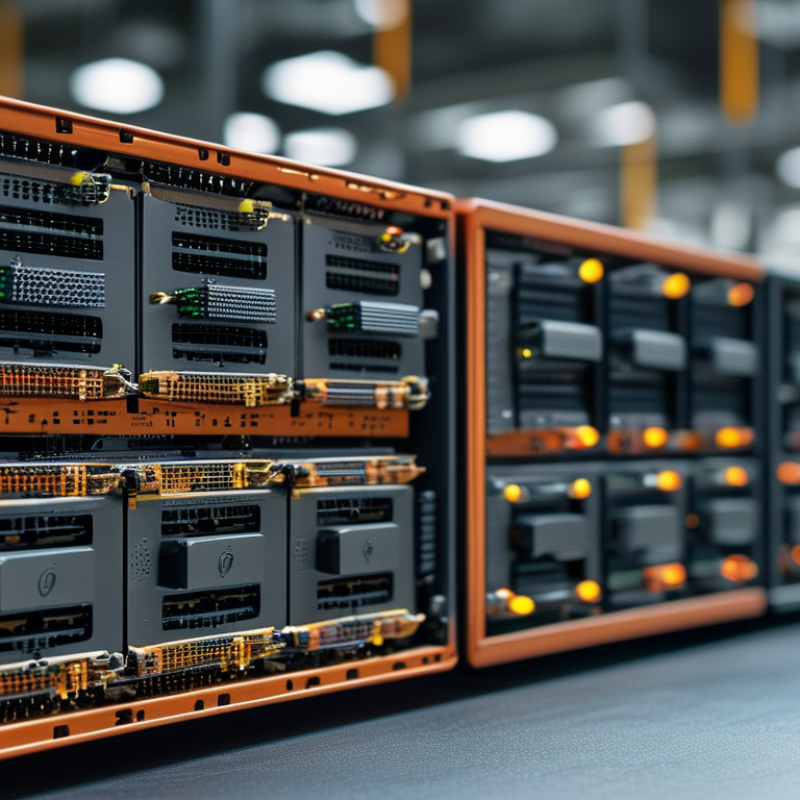
In today’s networking landscape, fiber switches serve as pivotal components. They enable high-speed communication and support bandwidth-intensive applications. Understanding the types of fiber switches is essential for optimizing network performance. There are two main categories: unmanaged and managed switches. Unmanaged switches are simple plug-and-play devices, suitable for small networks. In contrast, managed switches allow for configuration and monitoring, making them ideal for complex environments.
Data from industry reports indicate that by 2025, the global fiber optic switch market is expected to reach $8.5 billion. This growth reflects the increasing demand for high-capacity networks as organizations rely more on cloud services. Managed switches offer features such as VLAN support and QoS, which help prioritize traffic. However, they can introduce complexity, requiring skilled personnel for management. This may not suit every organization, particularly smaller businesses.
Selecting the right fiber switch involves evaluating network needs and future requirements. Overemphasis on advanced features can lead to unnecessary costs. Aligning resources effectively can be a challenge. It is crucial to balance the need for sophisticated capabilities with practical usability. The right choice depends on understanding both current demands and potential growth.
Key Specifications to Consider When Selecting a Fiber Switch
Choosing the right fiber switch is crucial for network performance. Key specifications help determine which switch suits your needs.
First, consider port speed. Typical options include 1G, 10G, and even 40G. Higher speeds support more devices but may not be necessary for smaller networks. Next, look at the number of ports. A switch with more ports accommodates future growth. Think about your current setup and project future needs.
Another important factor is management. Managed switches give you control over your network. You can monitor traffic and configure settings. Unmanaged switches are simpler but lack these features. Lastly, assess the switch's form factor. Rack-mounted options save space but may require additional gear. Reflect on your environment and equipment. Choose wisely to ensure stability and scalability in your network.
2026 How to Choose the Right Fiber Switch for Your Network? - Key Specifications to Consider When Selecting a Fiber Switch
| Specification | Description | Importance Level |
| Port Count | Number of ports available for connectivity. | High |
| Link Speed | Speed of the data transmission per port (e.g., 1G, 10G, 40G). | Critical |
| Uplink Ports | Ports designated for uplinks to higher-level switches or routers. | Medium |
| Redundancy Features | Support for dual power supplies or failover capabilities. | High |
| Management Options | Availability of SNMP, web management, or CLI for configuration. | Medium |
| Form Factor | Physical design of the switch (rack-mounted, standalone, etc.). | Low |
| Temperature Range | Operating temperature range for proper function. | Medium |
| Warranty and Support | Length and coverage of warranty and technical support available. | High |
Evaluating Performance Metrics: Speed, Throughput, and Latency
When selecting a fiber switch for your network, performance metrics play a crucial role. Three key metrics to evaluate are speed, throughput, and latency. Speed refers to the maximum rate at which data can be transmitted. This is often measured in gigabits per second (Gbps). For high-demand environments, a switch that supports higher speeds can significantly enhance network performance.
Throughput is another essential metric. It measures the actual rate of successful data transfer over a network. Often, this value can be lower than the maximum speed due to various factors, such as network congestion or hardware limitations. Understanding both speed and throughput helps in determining how well a switch can handle your data loads.
Latency, or the time it takes for data to travel from source to destination, cannot be overlooked. Lower latency is desirable, especially for applications requiring real-time data processing. A switch with high latency can lead to delays, affecting performance. It’s vital to consider these factors holistically. Value may vary based on your specific needs and environment. Remember that theoretical specs do not always translate into practical performance. Testing in a real-world setting could unveil issues not apparent on paper.
Assessing Scalability Needs: Future-Proofing Your Network Infrastructure
When considering a fiber switch for your network, scalability is key. Future-proofing your network infrastructure can prevent costly upgrades down the line. According to a recent report from the International Data Corporation (IDC), 85% of organizations report needing to expand their network within the next two years. This statistic highlights the necessity of selecting equipment that can grow alongside your demands.
Understanding your scalability requirements is vital. Different businesses have varying traffic loads. For instance, a company may start with 1 Gbps but anticipate growth to 10 Gbps. Choosing a switch that supports modular upgrades is wise. This approach allows for a smoother transition, accommodating future bandwidth needs without replacing the entire system.
It’s also important to reflect on the evolution of technology. The Gartner Group estimated that by 2025, 75% of enterprise-generated data will be processed outside traditional data centers. This shift means your fiber switch should adapt to cloud services and edge computing. Investing in solutions with high throughput and low latency will enhance overall performance. However, not every solution works for every scenario. Careful consideration is essential to ensure longevity and relevance in your infrastructure.
Network Scalability Assessment for Fiber Switches
Cost Analysis: Balancing Budget with Quality in Fiber Switch Purchases
When selecting a fiber switch, budget considerations play a crucial role. The average cost of fiber switches ranges from $500 to $5,000. Organizations must balance initial expense with long-term value. A higher upfront cost might promise better performance and longevity, which can lead to lower overall costs.
A recent industry report indicated that 70% of organizations underestimate ongoing maintenance costs. This includes potential downtime expenses and the costs associated with technical support. Investing in a quality switch might reduce these hidden costs. Spending on a reliable solution can yield a return on investment over time by minimizing failures and the need for frequent replacements.
Opting for the cheapest option could lead to increased risk. Many budget switches lack essential features. They may offer lower throughput and higher latency. Data from a network performance study shows that 40% of companies experienced reduced productivity due to subpar network equipment. Ultimately, weighing the cost against quality is vital for network efficiency and reliability. It's essential to reflect on both short-term savings and long-term needs when making a decision.