How to Choose a Laser Machine in 2026?
In 2026, choosing a Laser Machine is less about chasing maximum wattage and more about matching equipment to real production needs. Start with the material, its thickness, the largest part you expect to process, and your weekly workload. A machine that cuts thin sheet quickly may struggle with thicker stock or long production runs. The details matter.
MarketsandMarkets estimated that the global laser processing market would grow from $5.0 billion in 2023 to $6.6 billion by 2028, a forecast compound annual growth rate of 5.7%. This industry estimate signals continued investment, but it does not mean every workshop needs a larger or more powerful system. A market forecast is context, not a purchasing specification. Compare it with your own job mix, floor space, staffing, and budget.
Look beyond the laser source. Check the working area, motion system, compatible software, extraction requirements, safety features, and local service support. Ask suppliers to demonstrate your actual material and thickness, then review the cut edge, cycle time, and operating requirements. A higher wattage figure can look reassuring. It is not a buying plan. The right choice may involve trade-offs, and some figures in product brochures can be hard to compare directly. This guide explains how to assess those claims, compare machine types, and choose a Laser Machine that fits your work today without overlooking future needs.
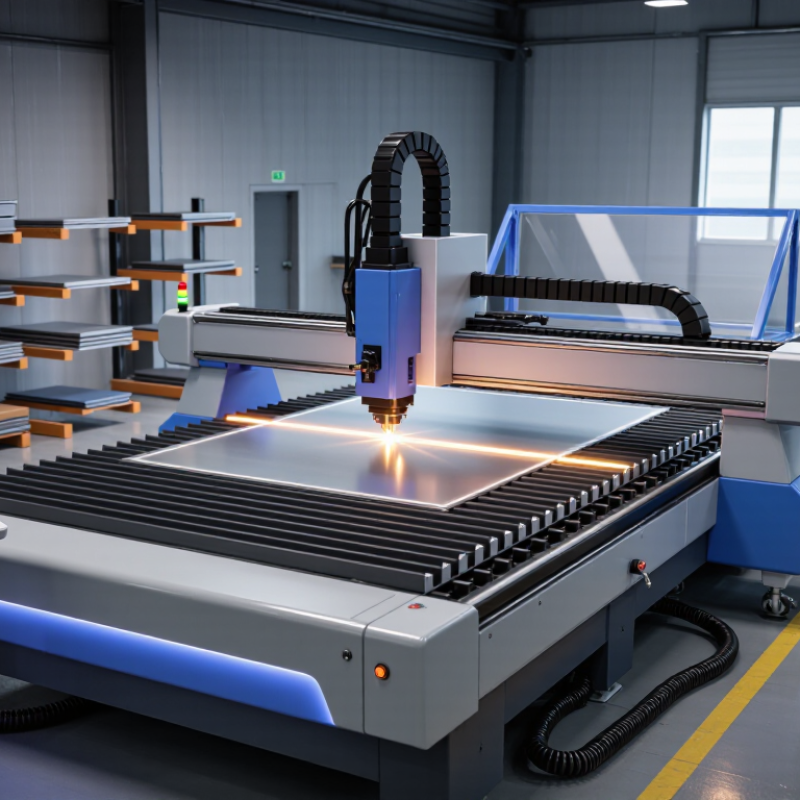
Define Your Materials, Applications, and Production Needs
How to Choose a Laser Machine in 2026?
Start with the materials you actually process, not a machine’s headline power rating. List each material, its thickness, sheet size, and surface finish. A machine that marks anodized metal may not cut it cleanly, while thin plywood can scorch under excessive heat. Test samples from your own suppliers whenever possible. Look closely at edge quality, discoloration, and small details such as narrow corners. Small details matter. Also confirm that the machine’s working area fits your largest regular piece, with room for positioning and fixtures.
Next, match the machine to the job and production pace. Engraving serial numbers, cutting signs, and making repeatable components place different demands on speed, focus, and accuracy. Estimate daily run time, batch size, and how often designs change. Then test. Record setup time, finished-part quality, and material waste; a fast pass is not always a productive one. Ask what routine cleaning, lens checks, and ventilation the workspace requires. Consider operator training, maintenance access, and support response times, too. I have seen a specification sheet look convincing, then a real sample expose awkward handling or inconsistent edges. That is worth questioning. Choose based on verified samples and realistic production conditions, not optimistic assumptions.
Compare Laser Types and Their Suitable Uses
Choosing a laser machine starts with the material, not the advertised wattage. Fiber lasers suit metals such as stainless steel and aluminum, especially for cutting, marking, and welding. CO2 lasers are often better for wood, acrylic, paper, and textiles. Diode systems can handle light engraving and thin stock, while UV lasers are useful for fine marking on heat-sensitive plastics and electronics. Match wavelength to material. A shiny metal sample may behave very differently from a painted one.
MarketsandMarkets’ 2023 Laser Technology Market report valued the global market at USD 20.5 billion and projected USD 35.4 billion by 2028. That growth reflects broad adoption, not a guarantee that one machine fits every workshop. Compare the cut edge, engraving contrast, cycle time, and ventilation needs on your own sample materials before buying. Ask for a repeatable test, including the lens, settings, and finish used. Small details matter. A thin acrylic edge may look clean, while a thicker sheet can show taper or discoloration. I would also leave room for doubt: published market forecasts describe demand, not the performance of a specific machine in your workspace.
Evaluate Power, Work Area, Precision, and Speed
Choosing a laser machine in 2026 starts with the work you actually make, not the largest number on a spec sheet. Power affects how quickly energy reaches the material, but more watts are not automatically better. Thin plywood may char at high power, while thicker stock can require slower passes. Check the machine’s material range and test settings on a small offcut. Small tests matter.
The work area should fit your largest regular project, with room to position material safely. Precision depends on more than advertised resolution. Spot size, motion stability, consistent focus, and material hold-down all affect fine lettering and repeated cuts. Inspect small circles and tight corners in sample files. Slight wobble shows. A useful detail is whether the machine can reproduce the same result across several pieces, not just one.
Speed claims need context. Fast movement does not guarantee more finished work if acceleration is slow or the design needs extra passes. Compare a representative job, including setup and finishing time. Ask for settings and sample results using your material, then verify them where possible. It is tempting to choose the most powerful, fastest option, but that can overlook the everyday jobs that matter. Keep a simple record of test settings, edge quality, and completion time.
Check Safety Features, Software, Compliance, and Support
Choosing a laser machine in 2026 means checking protection before comparing speed. Inspect the enclosure, interlocks, emergency stop, extraction, warning labels, and beam path. Ask the supplier to demonstrate what happens when a door opens or a fault appears. A polished demo is not enough. The International Labour Organization’s 2023 report estimates 2.93 million work-related deaths and 395 million non-fatal work injuries annually worldwide. Those figures cover all industries, not lasers, but they show why safety controls are more than paperwork.
Software deserves a hands-on test. Import a real job file, change a parameter, and check whether edits and operator access are logged. Confirm file compatibility, updates, backups, and offline recovery before connecting the machine to a shop network. IBM’s 2024 Cost of a Data Breach Report puts the global average breach cost at US$4.88 million. This is not a laser-machine estimate, but networked controls still need sensible access safeguards. Verify which safety and electrical standards apply at your site, and request the relevant declarations and manuals in writing.
Support is easier to judge before purchase. Ask for commissioning details, operator training hours, response targets, and lead times for common replacement parts. Request a sample service record. Run a test cut on your own material. It reveals more than a glossy brochure. I would still be tempted to focus on cutting speed; that bias is worth checking. A fast machine is frustrating if one software fault leaves it idle for days.
How to Choose a Laser Machine in 2026: Compare Typical Wavelengths
Wavelength affects how a laser interacts with materials and which wavelength-rated protective eyewear is required. Values shown are common examples; verify the exact source specification for the machine you are evaluating.
What to check: Confirm material compatibility and wavelength-specific safety measures, including enclosure, interlocks, and eyewear. Also request the applicable compliance documentation, a software demonstration using your workflow, and clear details on training, maintenance, and technical support.
Compare Total Ownership Costs and Verify the Supplier
A laser machine’s purchase price is only the first line on the budget. Compare the full cost over several years, including electricity, extraction, replacement optics, maintenance, software fees, installation, and operator training. Ask how often key parts need service and what downtime might cost your shop. Small costs add up. A low quote can become expensive if a common lens takes weeks to replace.
Build a simple ownership estimate using your expected hours per week and the materials you actually process. Include scrap from setup, not just ideal production runs. Request a demonstration with your own material and thickness, then check edge quality, cutting speed, and repeatability. Record the settings. Results can vary with ventilation, focus, and material condition, so treat a single sample as evidence, not a promise.
Verify the supplier as carefully as the machine. Speak with recent customers whose workloads resemble yours, and ask about service response times and spare-part availability. Review the warranty, exclusions, training scope, and delivery terms in writing. Watch a live test, inspect the machine’s safety features, and ask who handles technical support after installation. I would not rely on polished videos alone; they rarely show an ordinary production day. A clear answer about a limitation can be more useful than another confident sales claim.