How to Choose the Right Metal Core PCB for Your Project?
Choosing the right metal core PCB can significantly impact your project’s success. The global PCB market is expected to reach $85 billion by 2027, with metal core options gaining increased attention due to their thermal management properties. Metal core PCBs are ideal for high-power applications, such as LED lighting and automotive systems.
Many designers underestimate the importance of selecting the right metal core PCB. Inadequate thermal management can lead to component failures and reduced lifespan. According to a recent report, 70% of electronics failures are attributed to thermal issues. Understanding the specific needs of your project is crucial in making the right choice.
Considerations include heat dissipation requirements and mechanical strength. Aluminum and copper are common materials used for metal core PCBs. Each material offers unique advantages and drawbacks. For instance, while aluminum is cost-effective, copper provides superior thermal conductivity. Be aware that choosing a metal core PCB requires careful evaluation of these factors.
Understanding Metal Core PCBs: Definition and Advantages
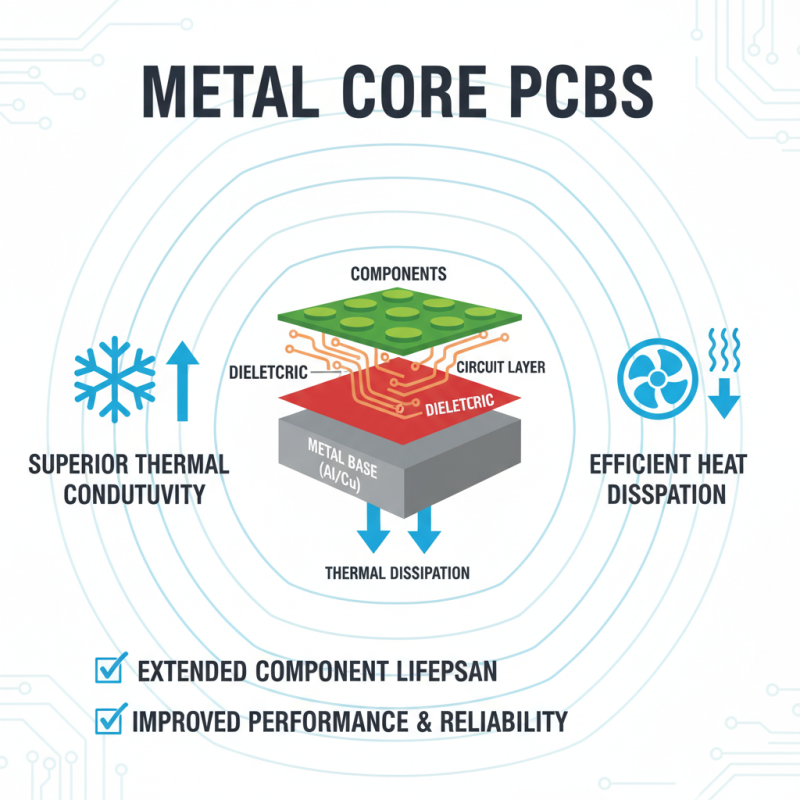
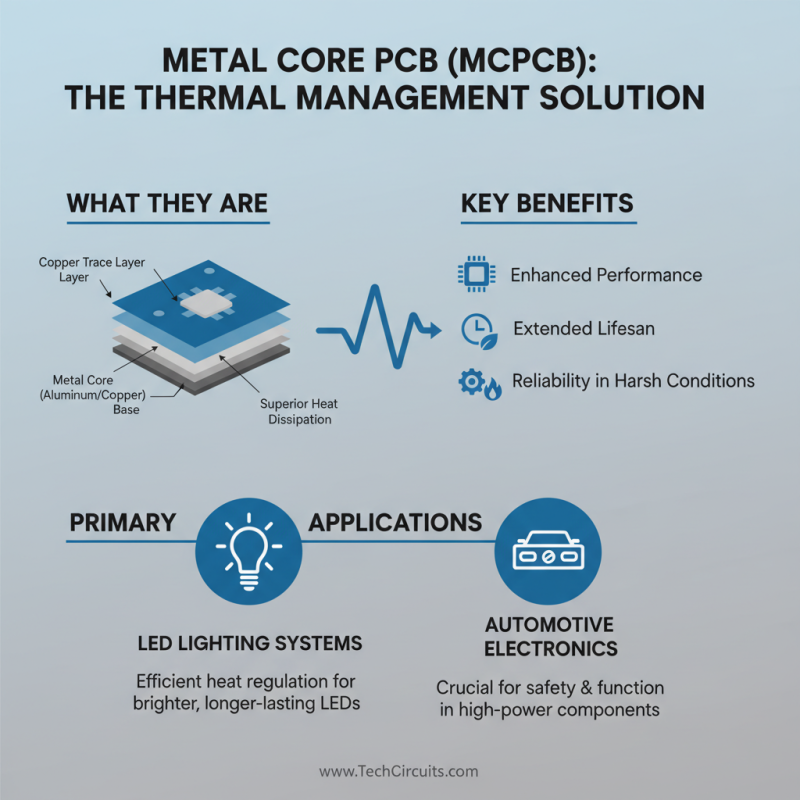
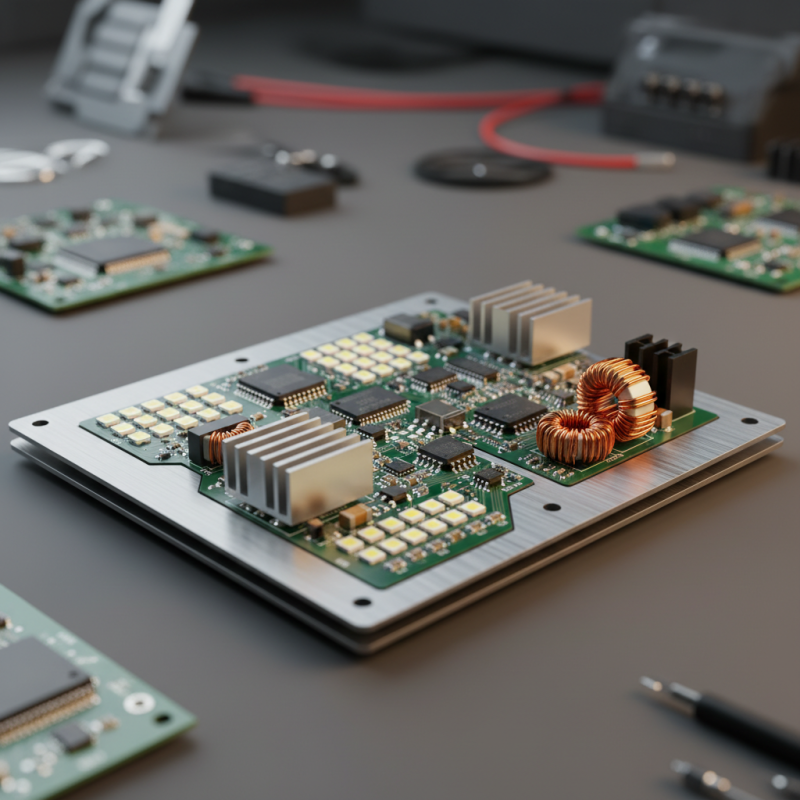
Metal Core PCBs (MCPCBs) have become popular for various electronic applications. These boards feature a metal base layer, often aluminum or copper, which provides excellent thermal conductivity. This unique property allows them to dissipate heat effectively. Consequently, they extend the lifespan of components and improve overall performance.
The advantage of using Metal Core PCBs lies in their ability to handle high-power applications. They are widely used in LED lighting and power supplies. These applications require efficient heat management. MCPCBs can tolerate higher temperatures without compromising functionality. However, choosing the right one can be challenging. Some projects may not necessitate the unique properties of an MCPCB.
Moreover, the manufacturing process of MCPCBs can be more complex. It often involves additional steps compared to standard PCBs. This complexity can lead to higher costs. It's essential to weigh these factors against your project's specific needs. Reflect on whether the benefits justify the choice in your situation.
Key Applications of Metal Core PCBs in Electronics Industry
Metal Core Printed Circuit Boards (MCPCBs) play a crucial role in various electronics applications. They excel in high-power devices where heat dissipation is critical. For instance, LED lighting systems benefit immensely from MCPCBs. These boards help manage heat effectively, enhancing performance and lifespan. In automotive applications, reliable thermal management is vital for safety. MCPCBs ensure that essential components function smoothly, even in challenging conditions.
MCPCBs are also used in industrial equipment. Many machines generate substantial heat during operation. This heat must be managed promptly to prevent failures. Switching power supplies and RF amplifiers often utilize metal core technology for this reason. However, designing with MCPCBs can be challenging. Designers must consider the thermal interface materials and layout designs. Often, teams underestimate the impact of these factors. They might rush the selection process, leading to subpar performance in the final product.
In consumer electronics, MCPCBs are becoming more common. As devices shrink in size, efficient heat management is essential. However, the cost of MCPCBs can be a concern. Balancing performance with budget constraints is crucial. Some projects may opt for cheaper alternatives, which could lead to overheating issues later. Each application requires careful thought and planning to achieve the best results.
Material Considerations for Metal Core PCB Selection
Selecting the appropriate material for Metal Core PCBs (MCPCBs) is crucial for project success. Thermal management is often a primary concern. According to industry reports, over 60% of failures in electronic circuits stem from poor heat dissipation. MCPCBs, made primarily with metal substrates, provide excellent thermal conductivity. Aluminum and copper are commonly used, but they each have distinct properties. Aluminum is generally lighter and cost-effective, while copper offers superior heat dissipation.
The dielectric layer is another vital aspect. The selection of this layer can affect overall performance. A reliable dielectric material can reduce thermal resistance and enhance reliability. Reports indicate that a higher quality dielectric can improve thermal conductivity by up to 40%. However, choosing the right material can be daunting. It involves balancing price, performance, and application requirements.
Moreover, environmental conditions play a role. Factors like humidity and temperature fluctuations can impact material longevity. For instance, some materials may degrade faster under specific conditions. Understanding these nuances without proper data can lead to increased failure rates. Hence, it’s imperative to conduct adequate testing for every potential environment your PCB will encounter.
Thermal Management: Importance in Metal Core PCB Design
Thermal management is a crucial element in designing metal core PCBs. These boards are favored for their superior heat dissipation. In high-power applications, efficient thermal management ensures reliability and performance. Research indicates that poorly managed heat can reduce electronic component lifespan by up to 30%. This makes thermal considerations not just important, but essential.
When selecting a metal core PCB, one must consider the thermal conductivity of the materials used. Copper is often a favored choice due to its excellent thermal properties. The thermal conductivity of copper can be around 400 W/m·K, while aluminum, a lower-cost alternative, typically ranges from 205 to 235 W/m·K. This difference can impact how effectively heat is managed in high-density circuits.
A common pitfall is underestimating heat spread. Failure to account for hotspots may lead to premature failures. Metrics like thermal resistance should be rigorously analyzed. The right design can effectively distribute heat, minimizing risks. Inadequate thermal solutions may lead to critical failures in performance and reliability. For optimal results, consulting detailed thermal analysis reports and employing proper simulation tools is vital. This will provide insights that help refine your design choices.
Cost vs. Performance: Evaluating Metal Core PCB Options
When evaluating metal core PCBs, cost and performance are key factors. These boards excel in thermal management. They can dissipate heat effectively, preventing component failure. However, choosing the right one isn’t always straightforward. You may face budget constraints while needing high performance. It’s important to balance these seemingly conflicting requirements.
The material and design of the PCB impact overall cost. Copper thickness and dielectric material play crucial roles in performance. A thicker copper layer may enhance heat dissipation but could drive up expenses. Assess the specific thermal and electrical needs of your project. For some, a more direct approach may be to evaluate alternatives. Cheaper options often compromise on quality, posing risks down the line.
Mistakes can happen when rushing the selection process. Not all manufacturers provide detailed specs necessary for informed decisions. Buying based on initial pricing can lead to unexpected issues. Always factor in the long-term benefits of performance and reliability. Think about your objectives. Is a slightly higher investment worth the enhanced performance? This reflection can guide you in making a prudent choice.