How to Choose a Vehicle Fire Suppression System?
A vehicle fire can spread quickly through an engine bay, battery area, or cargo space. Smoke, heat, vibration, and restricted access can complicate response. The National Fire Protection Association (NFPA) estimated that U.S. fire departments handled about 215,000 vehicle fires annually from 2018 to 2022. Its Vehicle Fires report also estimated 560 civilian deaths and 1,500 civilian injuries each year. These figures describe the scale of the risk; they do not mean every fire can be prevented or controlled by one device.
Choosing a Vehicle Fire Suppression System starts with the vehicle and its operating conditions. A delivery van, a mining loader, and an electric vehicle have different layouts, fire hazards, and access needs. Buyers should compare the protected zones, agent suitability, detection method, activation options, operating-temperature range, and service requirements. Ask for independent test evidence and clear installation and maintenance instructions. Check that the system fits the vehicle’s actual configuration, not just a product diagram. Work with qualified fire-protection professionals, and confirm applicable standards for the vehicle and location. A specification can look convincing on paper—and still miss a service constraint. That matters. There is no universal choice: careful assessment, documented evidence, and regular inspection help make the selection more dependable.
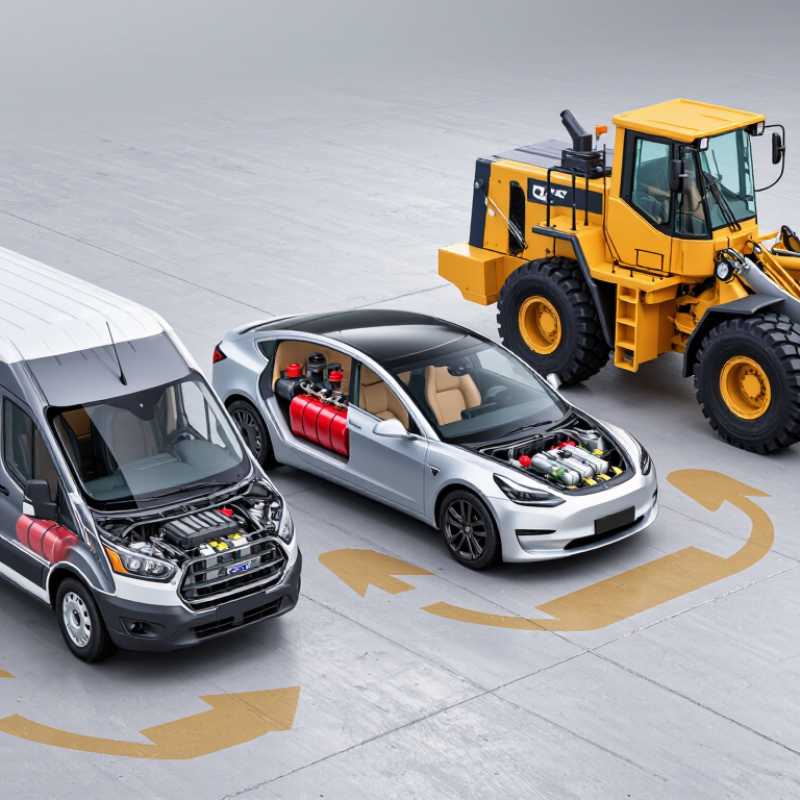
Assess the Vehicle's Fire Risks and Operating Conditions
Assess the vehicle’s fire risks before selecting a suppression system. Identify fuels, oils, electrical components, and hot surfaces near the engine, exhaust, or cargo area. Record likely ignition sources and the materials that could burn. A delivery van carrying dry goods faces different risks from a machine operating near hydraulic lines. Small details matter.
Operating conditions can change the risk. Note daily hours, stop-and-start use, heavy vibration, dust, moisture, and extreme temperatures. Consider where the vehicle is parked or serviced, too. A system exposed to road spray may need different protection from one installed in a dry cab. Battery-powered vehicles also require an assessment of battery location, nearby materials, and access for inspection. A checklist can miss unusual routes or seasonal loads; review it with the people who use the vehicle, then revise it when conditions change.
Tips: Photograph cramped compartments and note blocked access, loose wiring, or oil residue. Ask a qualified fire-safety professional to match coverage and agent type to the specific hazards. Check service access and inspection needs before installation. A perfect assessment is unlikely, so leave room to reassess.
Compare Fire Suppression System Types and Extinguishing Agents
Vehicle fire systems are not interchangeable. A delivery van’s enclosed engine bay, a bus compartment, and an electric vehicle present different fire risks and access conditions. Identify likely ignition points, available space, and how quickly occupants can stop and exit. Small details matter. Poorly positioned nozzles may leave hot spots untreated.
Fixed automatic systems use detectors and nozzles to protect defined zones; portable extinguishers rely on someone reaching the fire. Fixed systems can respond quickly, but coverage and regular maintenance are essential. Dry chemical agents knock down many flames fast, yet their residue can foul electrical connectors and require careful cleanup. That trade-off is easy to underestimate.
Water mist can cool surfaces and reduce heat, but the system must suit the vehicle’s specific hazards. Clean agents leave little residue, though they may depend on an enclosed space and may not stop a battery cell’s continuing heat. Foam can help with liquid-fuel fires, but drainage and re-ignition risks need consideration. Ask a qualified fire-safety professional to assess the vehicle, agent compatibility, installation, and service schedule. No agent solves every problem.
Check Vehicle Compatibility, Coverage, and Detection Requirements
Choosing a vehicle fire suppression system starts with the vehicle itself. A delivery van, bus, and off-road machine have different layouts and fire risks. Check the available mounting space, engine-bay shape, operating temperature, vibration, and exposure to dust or moisture. Measure tight areas around the engine and nearby components rather than relying on a general vehicle category. Fit comes first. A unit that cannot be securely installed or serviced may not provide dependable protection.
Coverage should match the likely fire zones, such as the engine compartment, battery area, or auxiliary equipment bay. Ask a qualified installer to confirm that discharge points can reach those areas without being blocked by ducts, wiring, or moving parts. A system’s rated capacity alone does not prove that every hazard is covered. Small details matter. Keep access for inspection and maintenance in mind, too; it is easy to overlook until the vehicle needs service.
Detection must suit the compartment and its working conditions. Heat-sensitive detection may be appropriate in some engine bays, while other layouts call for a different arrangement. Consider where temperatures rise during normal operation and whether vibration or dirt could affect detector reliability. Confirm that detection and suppression components are compatible, and follow the system maker’s installation and inspection instructions. I would not assume a simple layout is automatically a safe one; a site-specific assessment can reveal gaps that a quick visual check misses.
How to Choose a Vehicle Fire Suppression System
Compare vehicle compatibility, protected-area coverage, and detection needs before selecting a system.
Ratings are illustrative planning priorities on a 1–5 scale, not measured performance data or a compliance standard. Actual requirements depend on the vehicle layout, hazards, applicable regulations, and a qualified system assessment.
Verify Safety Standards, Installation Needs, and Service Support
Before choosing a vehicle fire suppression system, verify that its approvals match the vehicle type, operating environment, and installation location. Requirements can differ across regions and vehicle categories. Ask for current test records and documentation, not just a general claim of compliance. Keep the documents with the vehicle’s maintenance records. Small details matter.
Installation needs careful planning. A qualified technician should assess likely fire risks, available mounting space, heat exposure, and access for inspection. In a service van, for example, shelving and tools can block discharge paths or complicate maintenance. Check that nozzles, sensors, and control components can be reached without dismantling major equipment. A tidy drawing helps, but it cannot replace an on-vehicle inspection.
Service support matters after installation. Ask who performs routine checks, how often they are needed, and what happens after a discharge or warning fault. Confirm that replacement parts and trained technicians are reasonably available where the vehicle operates. Request clear service records and written instructions for drivers. A system without a practical maintenance plan may look complete on paper. It is easy to focus on purchase cost and overlook downtime, so compare the support process as carefully as the equipment.
Evaluate Total Cost, Maintenance, and System Reliability
A vehicle fire suppression system should be judged by more than its purchase price. Compare the full cost over its expected service life, including installation, inspections, replacement parts, and vehicle downtime. A low initial quote may not include clear service intervals or access to replacement components. Ask for an itemized estimate and check what routine maintenance actually involves.
Reliability depends on fit and upkeep. Confirm that the system suits the vehicle’s engine bay, fuel arrangement, and operating conditions, such as heavy vibration or dust. Ask a qualified installer to explain coverage limits, inspection records, and how faults are reported. A small warning light is easy to overlook during a busy shift. That matters. Test procedures should be documented and practical for the people who use the vehicle. No system removes every risk, and a polished specification sheet cannot replace regular checks. A spreadsheet can still miss the cost of taking a working vehicle out of service.
Tips: Compare annual maintenance costs, not just purchase prices. Keep inspection records with the vehicle, and assign someone to review them. If service access seems awkward during installation, it probably will not improve later.