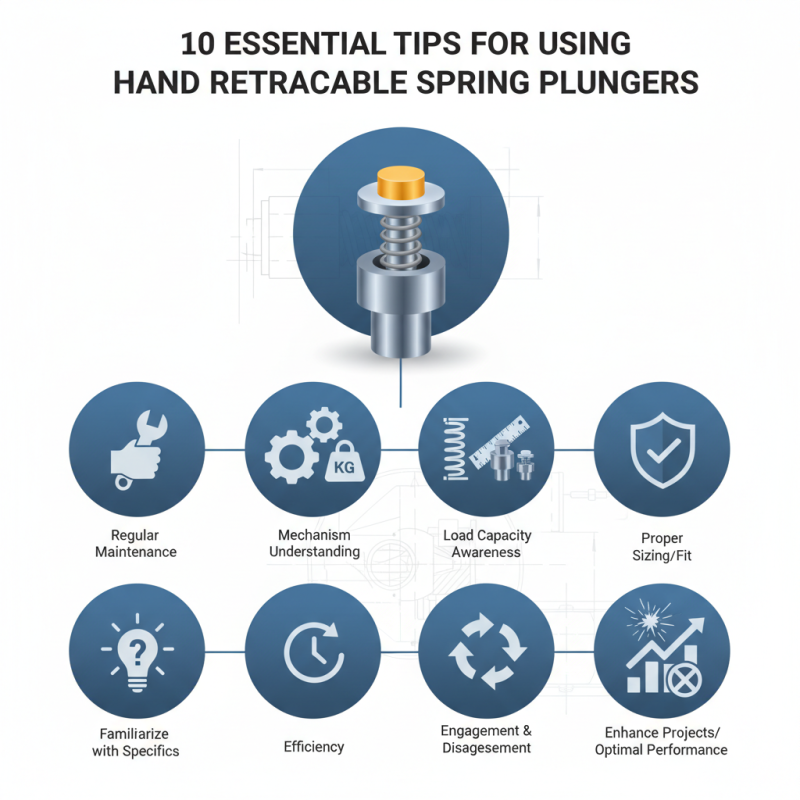
10 Essential Tips for Using Hand Retractable Spring Plungers?
Using a Hand Retractable Spring Plunger can greatly enhance your projects. This tool is versatile and efficient, making it a favorite among engineers and DIY enthusiasts. Understanding its proper usage is crucial for optimal performance.
Hand Retractable Spring Plungers operate using a simple mechanism. The spring allows for easy engagement and disengagement. However, improper handling can lead to accidental failures. It is essential to know the load capacity to prevent breakdowns.
Every user should familiarize themselves with the specifics of their plunger. Different applications may require various sizes and strengths. Ensuring the right fit is vital for safety and efficiency. Regular maintenance checks can also prolong the life of your tool. Awareness of wear and tear will save time and resources in the long run.
Understanding the Mechanism of Hand Retractable Spring Plungers
Hand retractable spring plungers are practical devices widely used in various applications. Understanding their mechanism is fundamental to utilizing them effectively. These plungers operate with a straightforward spring mechanism, allowing the user to retract the plunger with a simple pull. Once released, the spring pushes the plunger back into its initial position, engaging or disengaging it as needed. This action can provide quick adjustments in machinery or fixtures without cumbersome tools.
While they seem simple, their precision is vital. An improperly calibrated plunger can lead to misalignment and operational failures. Observing the wear and tear on the spring is crucial for maintaining reliability. Regularly checking for any deformation in the plunger can prevent future mishaps. Many users overlook this aspect, assuming the tool will function indefinitely.
Understanding the mechanism allows for better maintenance and application of these plungers. Ensuring they operate smoothly demands keen observation and an understanding of their limits. Take time to reflect on their use in your projects. Small adjustments can lead to significant improvements in efficiency. Not every installation will be perfect; learning from mechanical inconsistencies is part of the process. Embrace these moments, as they lead to better mastery of the tools at your disposal.
Choosing the Right Size and Strength for Your Application
Choosing the right size and strength of hand retractable spring plungers is crucial for optimal performance. According to a report by the International Organization for Standardization (ISO), improper sizing can lead to failure rates exceeding 30% in mechanical applications. Therefore, users must carefully consider the dimensions required for their specific use case.
Spring plungers are available in various sizes and force ratings. For instance, the force required to actuate a plunger can vary greatly depending on the application. A lightweight plunger may suffice for simple tasks, while heavy-duty tasks necessitate stronger plungers. Industry studies suggest that plungers with a pull force of at least 150 Newtons are standard for industrial systems. Selecting a plunger that does not match the operational demands can result in malfunctions or inefficiencies.
Additionally, environmental factors play a significant role in performance. A plunger exposed to high temperatures may lose its efficacy or corrode over time. Precision in these choices is vital, as a miscalculation could result in costly downtime. Users should reflect on their specific operating conditions and load requirements to make informed decisions.
Proper Installation Techniques for Hand Retractable Spring Plungers
Proper installation techniques for hand retractable spring plungers are crucial for their effective operation. Most failures in mechanical components arise from improper installation. According to industry data from the American Society of Mechanical Engineers (ASME), up to 30% of mechanical failures are linked to installation issues. Therefore, understanding the nuances in installing spring plungers can significantly enhance reliability.
Begin by ensuring the correct alignment during installation. Misalignment can lead to premature wear or failure. Use precision tools to achieve the best fit. A common mistake is using excessive force, which can damage the plunger's mechanism. Reports suggest that 25% of users experience issues due to overtightening. Instead, a gentle torque approach will secure the plunger without compromising its integrity.
Another vital aspect is the selection of materials. Not all plungers are suited for every environment. For instance, corrosion-resistant materials may be needed in humid conditions. A survey indicated that 40% of users overlook material specifications, leading to performance issues. Taking the time to select appropriate materials will enhance durability and functionality.
10 Essential Tips for Using Hand Retractable Spring Plungers
| Tip # | Tip Title | Description |
| 1 | Choose the Right Size | Select a plunger that fits your application and load requirements. |
| 2 | Check Material Compatibility | Ensure the materials can withstand the environment they will be used in. |
| 3 | Proper Orientation | Install the plunger in the correct orientation to enhance performance. |
| 4 | Secure Tightening | Tighten properly to prevent loosening during operation. |
| 5 | Inspect Regularly | Conduct regular inspections for wear and tear. |
| 6 | Use Lubrication | Apply appropriate lubricant to ensure smooth operation. |
| 7 | Consider Stroke Length | Choose the correct stroke length for your specific application needs. |
| 8 | Test Before Use | Always conduct a test run to ensure operational effectiveness. |
| 9 | Follow Manufacturer Instructions | Adhere strictly to the manufacturer's guidelines for installation. |
| 10 | Keep a Log of Performance | Maintain records of performance and any issues for future reference. |
Maintenance Tips to Ensure Longevity and Performance
Hand retractable spring plungers are useful in various applications. To ensure their longevity and performance, proper maintenance is essential. Regular cleaning is vital. Dust and debris can accumulate, causing wear over time. Use a soft cloth to wipe the plungers after use. This small act can lead to significant improvements in their lifespan.
Lubrication is another critical aspect. Applying the right lubricant reduces friction. This helps the plunger return smoothly. However, over-lubricating can attract dirt. It's important to find a balance. Additionally, check for signs of rust or corrosion. Any visible damage should be addressed immediately. Replacing components as needed ensures the plunger continues to function correctly.
Lastly, regular inspections can prevent larger issues. Look for wear and tear every few months. A proactive approach can save you from unexpected failures. Keeping a log of maintenance tasks can help track performance. This simple strategy enhances reliability. While these tips may seem basic, they are often overlooked. Reflecting on these practices can lead to better usage in the long run.
Common Mistakes to Avoid When Using Spring Plungers
When using hand retractable spring plungers, common mistakes can lead to inefficiency or damage. One frequent error is not ensuring the correct plunger size for the application. Using an inappropriate size can compromise functionality. Always measure precisely before selecting a plunger.
Another mistake involves improper installation. It’s crucial to follow the manufacturer's guidelines. Skipping steps or misaligning components can create long-term issues. Users should take time to check alignment and confirm the plunger fits snugly in its slot. This small detail can make a significant difference in performance.
In addition to avoiding mistakes, keep these tips in mind. Regularly inspect your plungers for wear and tear. A worn plunger can affect its reliability. Proper lubrication can enhance function and extend the life of the plungers. Avoid using excessive force when operating them. Gentle handling preserves their integrity. Remember, proper care is essential for optimal performance.