Top 10 Globe Valve Manufacturers for Global Buyers
Choosing a Globe Valve supplier is not a logo contest. Buyers need a valve that controls flow accurately, withstands operating conditions, and can be serviced without unnecessary delay. A small detail matters: the stem should move smoothly, while the trim and body materials must suit the fluid, pressure, and temperature. Poor alignment between the application and valve design can cause leakage, wear, or unstable control.
Philip L. Skousen, author of Valve Handbook, is a recognized valve-industry reference. A practical principle drawn from his engineering guidance is: “Select the valve for the service, not by its name alone.” This is a paraphrase, not a verbatim quotation. It points to the checks global buyers should make before comparing manufacturers: pressure and temperature ratings, materials, end connections, testing records, documentation, and access to replacement parts. Ask for evidence. A polished brochure is not enough.
This guide reviews ten Globe Valve manufacturers for buyers comparing product range, manufacturing capability, quality systems, and international support. The strongest choice may not be the largest company. It may be the supplier that answers technical questions clearly, provides traceable test information, and supports the valve after delivery. Details vary by model and market. That deserves a second look. Use the list as a starting point, then confirm specifications against your process conditions and project requirements. A careful comparison can prevent costly mismatches, though no ranking can replace an application-specific engineering review.
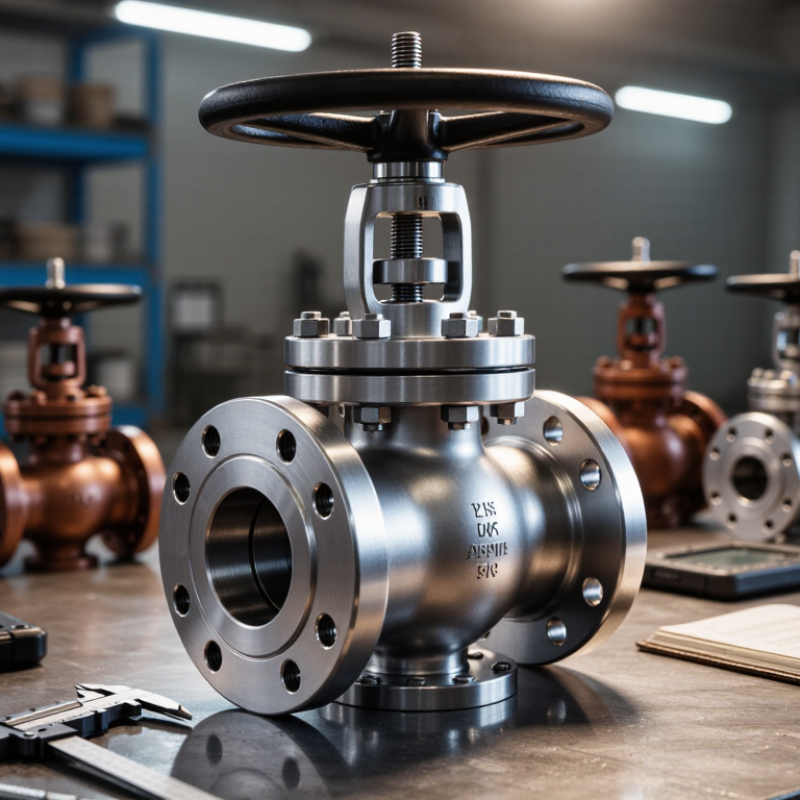
How Globe Valves Work: Linear-Stem Motion and Throttling Control
A globe valve controls flow through a plug or disc that moves along a straight stem. Turning a handwheel, or operating an actuator, raises or lowers the stem against a stationary seat. The gap between these parts changes gradually, giving operators finer control than a simple fully open or closed position. Small turns matter. Stem travel can be observed directly, but the actual flow response also depends on pressure and valve trim.
Inside the body, fluid typically changes direction as it passes the seat. This helps create useful throttling control, but it also adds pressure drop. At a nearly closed position, fast-moving fluid can cause noise, vibration, or wear, especially if the valve is poorly sized for the service. Not always. A suitable trim and operating range can reduce these risks, though no selection removes them entirely.
Globe valves are often chosen where flow needs frequent adjustment, such as cooling-water or process lines. Engineers should check pressure, temperature, fluid properties, and expected flow range before choosing materials and trim. A valve that works well at one operating point may behave differently at low demand. That detail is easy to miss. During inspection, stem movement, seat condition, and signs of leakage can reveal whether throttling remains stable. A perfectly linear relationship between stem travel and flow is uncommon, so control settings may need careful testing.
Top 10 Globe Valve Manufacturers: Compare Product Range and Global Reach
Comparing ten globe valve manufacturers is most useful when the same practical criteria are applied to each. Look beyond headline product counts. Check whether a supplier offers cast and forged bodies, multiple pressure classes, trim options, and sizes suited to the process. End connections and actuator compatibility matter too. A valve may fit the drawing but not the maintenance plan.
Product range only tells part of the story. For global buyers, examine regional distribution, delivery estimates, technical support, and access to replacement parts. Ask for material certificates, pressure-test records, and clear dimensional drawings. These documents help engineers confirm that a valve matches the project specification before installation. Small details matter. A fast quotation is not the same as dependable support after commissioning.
A comparison table can make differences visible, but it has limits. Published coverage does not prove local stock, and broad catalogs may include items with long lead times. Request evidence for the exact configuration, not just a general product brochure. Also consider how the manufacturer handles unusual fluids, frequent cycling, or tight shutoff requirements. No supplier is ideal for every application; even a strong global network may offer uneven service in a specific region. Verify the details with the team responsible for delivery and technical assistance.
Compare Ratings Under ASME B16.34: NPS ½–24 and Classes 150–2500
For global buyers, comparing globe valves across NPS ½–24 and ASME B16.34 Classes 150–2500 should start with service conditions, not catalog labels. A class number is not a fixed pressure limit. Allowable pressure depends on material and temperature, so check the applicable pressure-temperature table against the design case. Not every size and class combination exists. Confirm availability rather than assuming a supplier’s range covers the full matrix.
Compare more than the rating. Request material identification, pressure-test records, and drawings that show face-to-face dimensions and end connections. Check whether the body, bonnet, stem, and trim suit the fluid, temperature, and expected cycling. For larger sizes, include actuator load, installation clearance, and lifting access in the review.
Small details matter. A Class 2500 valve may look suitable on paper, yet its material group or operating temperature can change the allowable pressure substantially. It is easy to miss that point when comparing quotes quickly. Ask each manufacturer to state the exact size, class, material, and temperature basis for its offered configuration.
Check Steel Globe Valve Designs Against API 623 Requirements
For global buyers, an API 623 check should start with the exact standard edition and valve scope. Compare the manufacturer’s drawings and data sheet with the specified steel globe valve design. Check body and bonnet construction, pressure class, end connections, face-to-face dimensions, and material grades. Small details matter. A matching class alone does not confirm that the complete design meets the standard.
Ask for material certificates, design documentation, and inspection records that identify the supplied valve. Confirm that pressure testing follows the test standard named in the purchase specification; do not assume API 623 and the testing procedure are interchangeable. Review stem, disc, and seat details against the stated service conditions. For example, a hot process line may require closer attention to material limits and operating temperatures. The right choice depends on the actual duty.
A tidy data sheet is useful, but it is not proof. Cross-check the nameplate, order documents, and inspection results before shipment. Not every comparison is clean. If a drawing leaves a dimension or material unclear, request written clarification rather than filling the gap with an assumption. That extra step can feel slow, yet it is often cheaper than correcting a mismatch after installation.
Evaluate Materials, ISO 5208 Leakage Rates, and Global Service Support
A globe valve’s material choices should match the actual fluid, temperature, pressure, and operating cycle. Stainless steel may suit many corrosive services, while carbon steel is often considered for less aggressive conditions. Neither choice works everywhere. Check body, trim, stem, and seat materials separately; a compatible body can still contain a vulnerable sealing surface.
ISO 5208 leakage rates help buyers compare valve-seat test results, but the stated rate and test conditions matter. Ask for the specified leakage rate, test medium, pressure, and inspection records. A certificate without clear test details offers limited reassurance. Also confirm the valve’s end connections and pressure rating against the project specification.
Service support matters after delivery. Request accessible spare-parts lists, installation guidance, and realistic response times across the destination region. For remote sites, ask how replacement packing or trim will be sourced, and whether technical help is available across time zones. These details are easy to overlook during price comparisons. Even a careful checklist can miss a site-specific issue, so have the operating conditions reviewed by a qualified valve engineer before ordering.