2026 How to Choose the Right DC Power Inverter for Your Needs?
Selecting the right DC power inverter is crucial for efficiency and performance. The demand for DC power inverters has grown significantly. Reports show the global inverter market is projected to reach $11.13 billion by 2030, with an annual growth rate of 21.5%. This highlights the importance of understanding your specific needs.
A DC power inverter converts direct current into alternating current. It's fundamental for various applications, including renewable energy systems and backup power solutions. With multiple options available, choosing the wrong inverter can lead to inefficiencies and increased costs. Many users overlook critical specifications like power output and waveform type, potentially impacting their system's performance.
Before making a decision, evaluate your requirements. Consider factors like load type and expected usage. A lack of thorough research can lead to inadequate performance or overinvestment in features you might not need. Tailoring your choice to your unique demands ensures reliability and efficiency, ultimately enhancing your overall energy management system.
Understanding the Basics of DC Power Inverters: Types and Functions
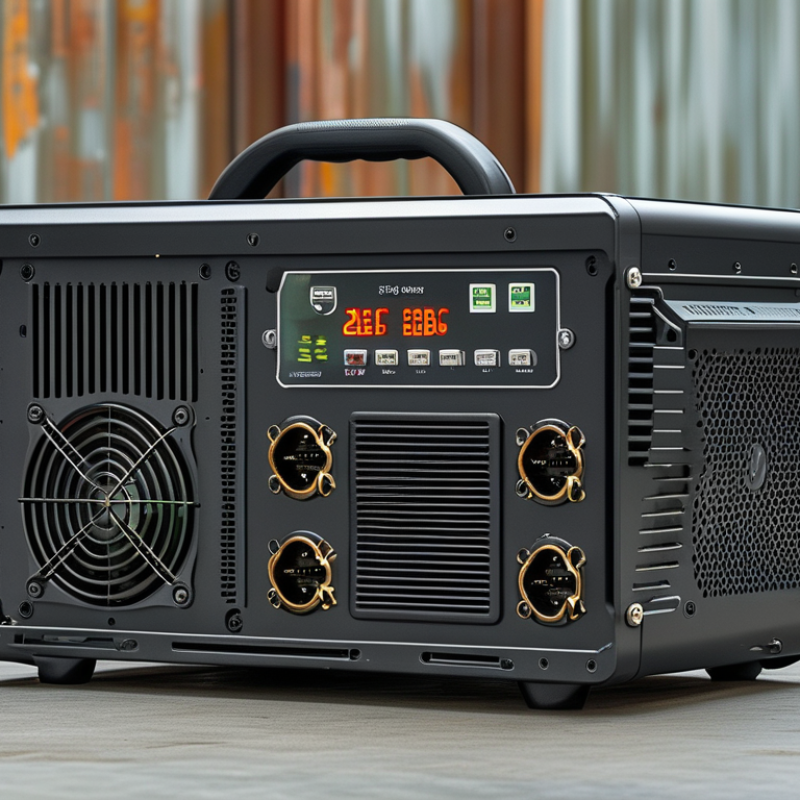
DC power inverters play a crucial role in converting direct current (DC) into alternating current (AC). Understanding their types and functions is essential for selecting the right one. There are three main types: pure sine wave, modified sine wave, and square wave inverters. Pure sine wave inverters produce cleaner and smoother output. They are ideal for sensitive devices. Modified sine wave inverters are less expensive and work well for basic appliances. Square wave inverters are the least common and are primarily for motor applications.
Choosing the right inverter requires knowledge of your power needs. Assessing wattage requirements of your devices is a good start. Take note of startup power, which is often higher than running power. For example, a refrigerator has a higher startup wattage. This detail can significantly impact your choice. Reliability is another factor to consider. Understand that some inverters may provide inconsistent performance under heavy loads. Research user experiences to gauge reliability and effectiveness.
Additionally, pay attention to features. Some inverters include built-in protections, such as overload and over-temperature shutdowns. These features enhance safety and longevity. However, more features can also mean a more complex setup. It’s important to weigh the benefits against your comfort level with installation. Power inverters can serve different needs, but it’s vital to choose one that aligns with your expectations and requirements.
Key Specifications to Consider When Choosing a DC Power Inverter
When selecting a DC power inverter, key specifications must guide your decision. Power output is critical; it determines how many devices you can run simultaneously. Typically, inverters range from 150 watts to several thousand. Assess your needs carefully. If you have multiple devices, consider a higher wattage inverter.
Another vital factor is efficiency. Look for inverters with higher efficiency ratings. Efficient models minimize energy loss, meaning you’ll get more power from your battery. This can lead to longer usage times and improved performance. However, finding the perfect balance between size, efficiency, and power needs can be a challenge.
Input voltage compatibility is essential too. Ensure the inverter matches your battery system's voltage. Common options are 12V, 24V, and 48V. If your inverter doesn’t align with your battery’s output, it won't work efficiently. Remember, no one size fits all, and sometimes it may take a few tries to identify what truly meets your needs.
Evaluating Efficiency Ratings: How They Impact Your Power Needs
When choosing a DC power inverter, efficiency ratings are crucial. They directly influence how much energy will be converted and utilized. A higher rating means less wasted energy. This can save you money in the long run. Look for inverters with ratings of 90% or higher. They tend to be more reliable and operate cooler, providing better performance.
However, not all high-efficiency inverters are equal. Some may excel in certain conditions but falter in others. For instance, temperature can impact performance. An inverter that works well in moderate climates may struggle in extreme heat. It’s essential to consider your specific environment and power needs when selecting.
Another aspect to reflect on is how your usage patterns affect efficiency. Regularly using devices that draw high power can burden your inverter. This may lead to lower overall efficiency and potential overheating. It’s wise to calculate your daily wattage needs accurately. This way, you can choose an inverter that aligns well with your consumption habits.
Matching Inverter Capacity with Your Electrical Load Requirements
Choosing the right DC power inverter is crucial for your needs. When considering inverter capacity, it’s essential to match it with your electrical load requirements. Assessing your energy consumption is the first step. List all devices you plan to connect. Each device has a specific wattage that contributes to the total load.
Understanding your total load helps you make informed decisions. If your total wattage exceeds the inverter's capacity, you may compromise performance. For instance, using multiple high-wattage devices at once can overload the inverter. A good rule of thumb is to add a buffer. This buffer helps in case of surges or additional devices.
Another factor to consider is the inverter’s continuous vs. peak wattage. Continuous power is what the inverter can handle steadily. Peak power is the maximum it can manage for a short time. Underestimating your peak requirements can lead to failures. Make sure to check both ratings carefully. Ignoring these details can lead to inefficiencies. Rethink your choices based on your findings to ensure reliable performance.
2026 How to Choose the Right DC Power Inverter for Your Needs?
| Inverter Capacity (Watts) | Recommended Electrical Load (Watts) | Number of Devices Supported | Ideal Use Cases |
| 300W | 150W - 250W | 2-3 | Small devices (laptops, lights) |
| 600W | 300W - 500W | 3-5 | TVs, small appliances |
| 1200W | 600W - 1000W | 5-10 | Refrigerators, power tools |
| 2000W | 1000W - 1500W | 10-15 | Home appliances, electronics |
| 3500W | 2000W - 3000W | 15-20 | Heavy machinery, multiple appliances |
Safety Features and Certifications: Ensuring Reliable Operation
When selecting a DC power inverter, safety features and certifications should be a priority. Reliable operation depends heavily on the quality of safety mechanisms in place. According to industry reports, nearly 30% of inverter failures stem from electrical hazards. Thus, look for products with features such as short-circuit protection, over-voltage protection, and thermal shutdown capabilities. These not only promote safe usage but also extend the product’s lifespan.
Certifications also play a crucial role in ascertaining inverter reliability. Inverters carrying certifications like UL 1741 or IEC 62109 meet strict safety standards. A study by the Electric Power Research Institute found that equipment adhering to such standards experiences 70% fewer safety-related incidents. It’s worth noting that not all products are certified. This lack of certification may indicate potential risks. Thus, always verify that your chosen inverter complies with recognized safety standards.
Investing in high-quality safety features ensures peace of mind. However, users should remember that even certified products are not infallible. Regular inspections and maintenance are vital. Bluntly, safety should not be an afterthought; instead, it should be integrated into the decision-making process.
Safety Features and Certifications of DC Power Inverters