How to Find Innovative Digital Solar Bus Stops at Canton Fair?
As the 139th Canton Fair approaches, opportunities for innovation beckon. Among the many exciting showcases, Digital solar bus stops stand out. These futuristic installations could redefine urban transportation, merging sustainability with technology. At the Fair, visitors will have the chance to explore various designs and functionalities.
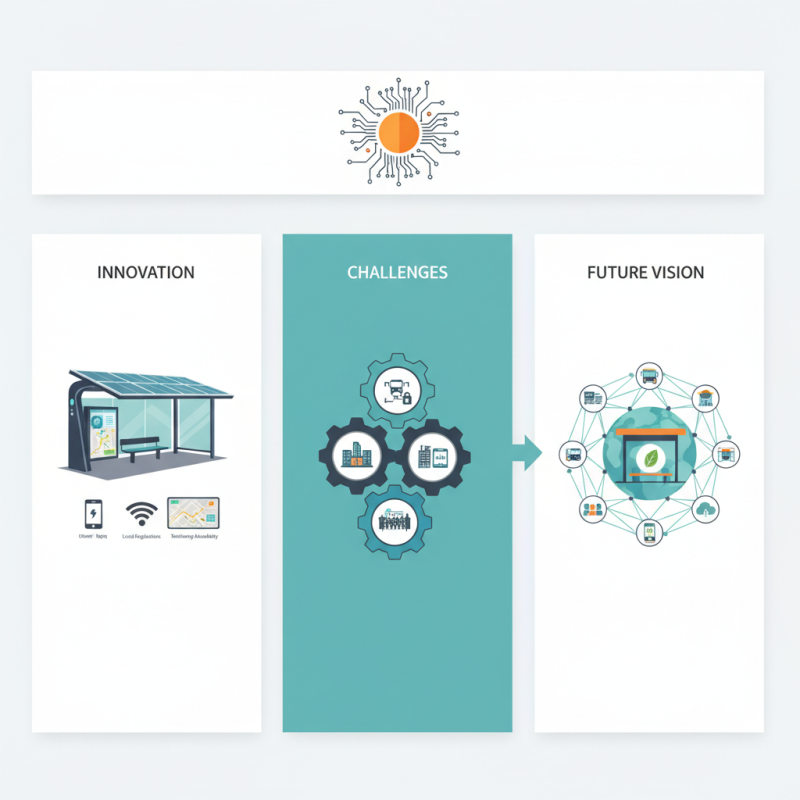
Imagine arriving at a bus stop that not only provides shelter but also harnesses solar energy. These stops can power devices, display real-time information, and even offer Wi-Fi. However, the challenge lies in their implementation. Factors such as local regulations, urban space constraints, and technology adaptability require careful consideration.
While Digital solar bus stops promise efficiency and convenience, potential roadblocks may arise. Understanding user needs is essential for effective design. Will they integrate well into existing public transportation systems? The Canton Fair serves as a hub for exhibitors and buyers to explore these questions, paving the way for a more connected and sustainable future.
Innovative Features of Digital Solar Bus Stops at Canton Fair
Digital solar bus stops are gaining traction at the Canton Fair, showcasing a blend of sustainability and innovation. These stops are designed to harness solar energy for lighting and electronic displays. Reports indicate that solar energy can reduce operational costs by up to 80%. This is a significant saving that cities cannot overlook.
One innovative feature is the LED touch screens. They provide real-time bus schedules and fare information. Some models even have Wi-Fi hotspots, allowing passengers to stay connected while waiting. Solar panels placed on the roof help power these amenities efficiently. Additionally, these stops incorporate smart sensors. They adjust brightness based on the surrounding light, enhancing energy conservation.
Tips: When exploring these bus stops, pay attention to their design and accessibility. Note how real-time information is presented. Look for additional features like charging ports or waste disposal options. These details indicate the stop's usability and commitment to passenger experience. Seeking feedback from users can also be valuable. Identifying areas needing improvement is crucial for future designs.
Current Trends in Sustainable Transport Solutions at Industry Events
At industry events like the Canton Fair, sustainable transport solutions are gaining attention. Digital solar bus stops are a prime example of this trend. These innovative structures harness solar energy to provide power for various functionalities. They offer real-time transit information, Wi-Fi access, and even charging stations for devices. Such features make public transport more user-friendly and efficient.
However, implementing these solutions is not without challenges. One issue is the cost of installation and maintenance. Many organizations struggle to justify the financial investment. Additionally, the technology must adapt to different climates and conditions. In areas with less sunlight, reliance on solar energy can be problematic. There is still room for improvement in optimizing these systems for varying environments.
The aesthetic design of solar bus stops is also crucial. They should blend with urban landscapes while remaining functional. Finding a balance between attractiveness and practicality is tricky. Some prototypes may look great but fail to serve their purpose effectively. Continuous feedback from users can help refine these designs. There is potential for growth in this area, but careful consideration is needed to ensure success.
How to Find Innovative Digital Solar Bus Stops at Canton Fair? - Current Trends in Sustainable Transport Solutions at Industry Events
| Feature | Description | Benefits | Current Trend |
| Solar Power | Bus stops equipped with solar panels to provide energy. | Reduces carbon footprint and energy costs. | Increased adoption of renewable energy sources. |
| Digital Displays | Interactive screens showing real-time bus arrivals and schedules. | Improves passenger experience and reduces waiting time. | Smart city technology integration. |
| Wi-Fi Connectivity | Free internet access for passengers at bus stops. | Enhances convenience and keeps passengers connected. | Growing demand for public internet services. |
| Smart Lighting | Energy-efficient lighting that adjusts based on time and motion. | Increases safety and reduces energy consumption. | Trend towards sustainable urban infrastructure. |
| Eco-friendly Materials | Bus stops constructed from sustainable and recyclable materials. | Minimizes environmental impact and promotes sustainability. | Emphasis on green construction practices. |
Analysis of Solar Technology Adoption in Public Transport Infrastructure
Public transport infrastructure is increasingly integrating solar technology. Solar-powered bus stops are becoming more common. These innovative structures harness sunlight to power lighting and digital displays. They enhance user experience while promoting renewable energy.
Canton Fair showcases numerous exhibits focused on solar solutions. Visitors can see various designs of solar bus stops. Some are sleek and modern, while others have a more traditional look. However, adoption rates can vary. Not all cities have embraced this technology. Factors like cost and maintenance may hold back some municipalities. This reflects the diverse challenges in implementing sustainable solutions.
Moreover, the efficiency of solar panels is not uniform. Many installations face shading issues, reducing energy output. Public awareness of solar benefits also varies. Some individuals remain skeptical about long-term advantages. Continuous education on these technologies is critical for broader acceptance. Innovative designs and strong case studies can help bridge this gap.
Adoption of Solar Technology in Public Transport Infrastructure
Comparative Study of Digital Bus Stops: Benefits and Challenges
Digital bus stops are becoming increasingly popular in urban areas. They offer real-time information and enhance user experience. However, there are benefits and challenges that cities must consider. The implementation of digital technologies can improve passenger flow and provide accurate schedules. Many cities have seen a rise in ridership due to these innovations. Passengers appreciate the convenience of live updates.
Yet, integrating digital solutions isn't without difficulties. High costs can discourage investment. Maintenance and technical issues can also arise. Some systems may become outdated quickly, creating further expenses. Privacy concerns should not be overlooked. Users may feel uneasy about data collection practices. There is a need for ongoing evaluation of how these technologies impact people.
Experimental designs and pilot projects can help cities learn what works. Collecting user feedback is crucial for improvements. Successful adoption requires collaboration between stakeholders. Technology should not overwhelm the basic needs of passengers. Balancing efficiency with a user-friendly approach remains a challenge for many municipalities.
Future of Smart City Solutions: Insights from Canton Fair Exhibitors
The Canton Fair is a hub for innovation in smart city solutions. Exhibitors showcase cutting-edge technologies that address urban challenges. Among these, digital solar bus stops have garnered attention. These bus stops not only provide shelter but also generate renewable energy. Solar panels on rooftops convert sunlight into electricity. This energy can power lights, digital displays, and even charging stations for electric vehicles.
While the concept is promising, there are areas for improvement. Some designs may not effectively integrate with existing city infrastructure. The effectiveness of solar panels can be limited by local weather conditions and urban shading. Moreover, maintenance can pose a challenge. Regular upkeep is essential to ensure functionality and efficiency. Feedback from city planners and residents can help refine these designs.
Innovative solutions emerge from collaboration and iteration. Encouraging dialogue among stakeholders can lead to better implementation. The future of smart cities lies in addressing these imperfections. Continuous improvement and adaptability will shape the cities of tomorrow. By embracing these changes, urban living can be enhanced significantly.