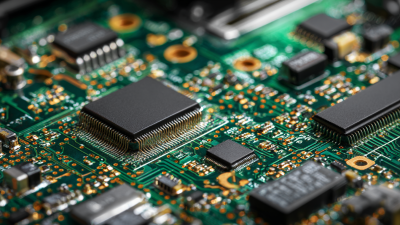
What is PCB Circuit Board and Why is it Important for Buyers?
Understanding the significance of a PCB circuit board is crucial for buyers. These boards are the backbone of modern electronics. They connect various components, allowing devices to function seamlessly.
A PCB circuit board is not just a simple component. It represents a critical intersection of technology and design. For buyers, knowing its essential role can guide informed decisions. With the rapid advancement in electronic systems, the quality of PCB circuit boards directly affects performance and reliability.
Buyers often overlook the intricate details involved in choosing the right PCB circuit board. Factors like material types, layer counts, and manufacturing techniques matter greatly. Each decision impacts the final product's efficiency and durability. Without proper knowledge, buyers might face future challenges that could have been avoided. Understanding these aspects can significantly enhance the procurement process and overall satisfaction with electronic devices.
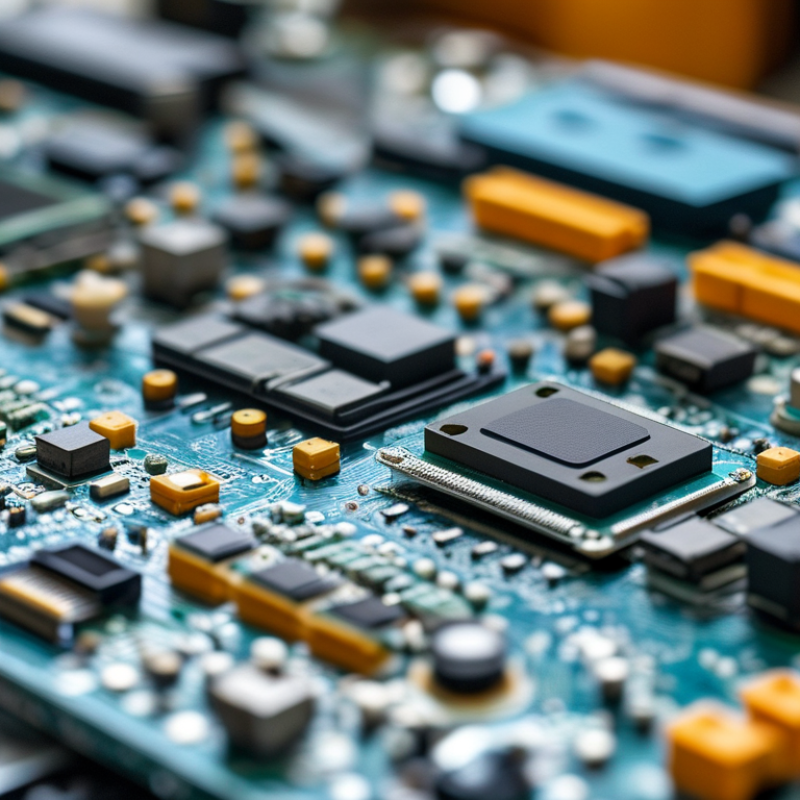
What is a PCB Circuit Board?
A Printed Circuit Board (PCB) is an essential component in the electronics industry. It mechanically supports and electrically connects electronic components using conductive pathways. These boards are made from non-conductive substrates, typically fiberglass or resin. Over the years, PCBs have evolved significantly, catering to various industries, including automotive, telecommunications, and consumer electronics. According to a 2022 Market Research report, the global PCB market is projected to grow at a compound annual growth rate (CAGR) of 4.5%, highlighting their increasing importance.
Understanding PCB design and fabrication is crucial for buyers. Each PCB has specific design rules, which can impact performance and efficiency. Research indicates that poorly designed PCBs can lead to a 30% increase in production time. Buyers must prioritize quality assurance in their production processes. This focus ensures reliability and durability in the final product. The complexity of modern electronics requires a deep understanding of PCB layouts, materials, and manufacturing techniques.
Incorporating advanced technologies, such as flexible and printed electronics, has further heightened the role of PCBs. These innovations allow for the development of smaller, lighter, and more efficient devices. However, this rapid development comes with challenges. Manufacturers need to invest in continuous training and process optimization. Emphasizing sustainability in PCB production is also becoming increasingly vital. Buyers face the pressure of balancing cost with environmental responsibility while sourcing these components.
Types of PCB Circuit Boards and Their Applications
PCB circuit boards come in various types, each serving unique applications. The most common type is the single-sided PCB. It features one layer of conductive material. This design is often used in simpler devices, like calculators and basic electronics. Its low cost makes it attractive for high-volume production. However, the design limits complexity, making it less ideal for advanced applications.
Double-sided PCBs offer a more versatile solution. They have conductive layers on both sides. This allows for more complex circuitry and higher-density connections. Double-sided boards are widely used in consumer electronics, medical devices, and communication equipment. They can accommodate more components but require careful design to avoid issues like signal interference.
Multilayer PCBs add even more complexity. They can have several layers of circuitry stacked together. This type is crucial in modern devices, including smartphones and computing systems. However, they come with challenges. Designing multilayer boards demands expertise and precision. Misalignment during manufacturing can lead to failures. Understanding these types helps buyers choose the right PCB for their needs. It's essential to consider both the application and the potential challenges.
What is PCB Circuit Board and Why is it Important for Buyers?
| Type of PCB |
Description |
Common Applications |
Key Features |
| Single-Sided PCB |
A board with components on one side and a conductive layer on the other. |
Consumer electronics, simple devices |
Cost-effective, simple design |
| Double-Sided PCB |
A board that has components and circuitry on both sides. |
Communication devices, power supplies |
Higher complexity, more components |
| Multilayer PCB |
Boards with multiple layers of circuitry, usually 3 or more. |
Computers, advanced electronics |
Compact design, high performance |
| Flexible PCB |
A circuit board made of flexible materials, allowing bending and twisting. |
Portable devices, wearable technology |
Lightweight, space-saving |
| Rigid-Flex PCB |
Combines rigid and flexible circuits into one board, allowing for complex configurations. |
Medical devices, aerospace |
Versatile, durable |
Key Components and Functionality of PCB Circuit Boards
PCB circuit boards, or printed circuit boards, are essential in modern electronics. They provide a foundation for electronic components, connecting them in a structured manner. A typical PCB consists of several key components, including resistors, capacitors, and integrated circuits. These components work together to create complex electronic systems. According to a report by IPC, the global PCB market is projected to reach $75 billion by 2026, highlighting its significance in various industries.
The functionality of PCBs is multi-faceted. They support electrical signals between components while managing heat and power distribution. In a well-designed PCB, trace pathways direct signals with minimal interference. However, designing flawless PCBs is challenging. An estimation from the Consumer Electronics Association indicates that up to 30% of PCBs have defects that can affect performance. Understanding these details helps buyers make informed decisions.
Moreover, the manufacturing process itself plays a critical role. Quality control is vital to ensure that every component meets specified standards. Some manufacturers struggle with maintaining consistent quality across production runs. As a result, buyers need to evaluate potential suppliers carefully. The reliability of a PCB directly impacts the functionality of the final product. Thus, buyers must prioritize quality and functionality when sourcing PCB circuit boards.
Reasons for the Importance of PCBs in Electronics Manufacturing
In the realm of electronics manufacturing, printed circuit boards (PCBs) serve as the backbone of devices. According to a recent market report, the global PCB market is projected to reach approximately $100 billion by 2025, showcasing its significance. PCBs facilitate the connection between different electronic components, ensuring they function harmoniously. As such, their design and quality directly impact product reliability.
Choosing the right PCB is crucial for efficiency and performance. A poorly designed PCB may lead to malfunctioning devices or higher production costs. Studies indicate that nearly 35% of all electronic device failures occur due to issues related to circuit boards. This statistic underscores the need for buyers to prioritize quality when sourcing PCBs.
When selecting a PCB supplier, consider factors like manufacturing capabilities, material quality, and reliability standards. Proper testing and verification processes are essential. Conducting thorough research ensures that the chosen PCB meets your project requirements. Quality checking through simulated environments can prevent future operational issues. Ask about certifications and past client experiences to gauge reliability. Prioritizing these elements can significantly enhance product durability and consumer satisfaction.
Considerations for Buyers When Purchasing PCB Circuit Boards
When purchasing PCB circuit boards, buyers must make informed decisions. The importance of PCB in electronics cannot be overstated. According to a recent report by MarketsandMarkets, the global PCB market is projected to reach $80 billion by 2026, indicating strong demand. Buyers should consider their specific project requirements, including size, type, and complexity of the board.
Quality is crucial. Look for boards that meet necessary standards like IPC-A-600. This ensures reliability and performance. Boards that fail to meet these standards may lead to device malfunction. Buyers should assess suppliers for their certification and manufacturing processes. Transparency in these areas reflects the integrity of the product.
Communication is essential during the purchasing process. Engage with suppliers to clarify any doubts. Exploring multiple suppliers can help gauge market standards but can also lead to confusion. Ensure specifications are detailed, and do not hesitate to ask for prototypes. This can save costs in the long run.
Check for customer reviews and feedback. Past performance in the industry can indicate future reliability. Remember, a cheaper board may lead to higher long-term expenses. Ultimately, balancing cost with quality will be key for successful PCB procurement.
Importance of Features in PCB Circuit Boards for Buyers
This bar chart displays the importance level of various features to consider when purchasing PCB circuit boards. Buyers often prioritize material quality, layer count, size, cost, and delivery time, as these factors significantly impact the performance and suitability of the circuit boards for their applications.