Why is PCB Manufacturing Crucial for the 2026 Canton Fair?
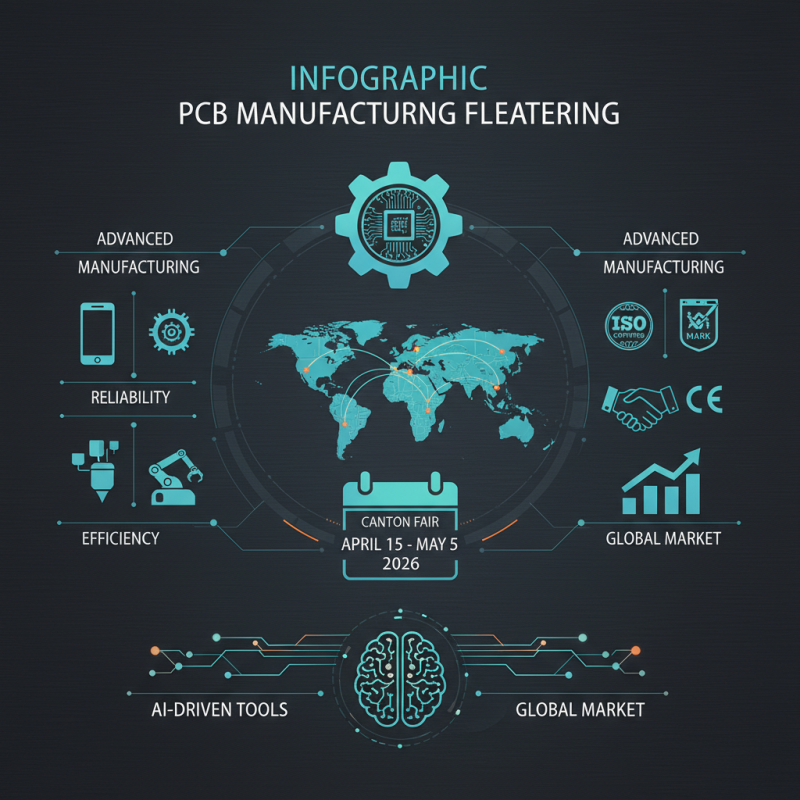
The importance of PCB Manufacturing cannot be underestimated, especially with the upcoming 2026 Canton Fair. This event, spanning from April 15 to May 5, will showcase key industries like advanced manufacturing and electronics. PCB, or printed circuit board, plays a vital role in these sectors. Its reliability and efficiency can define the success of various products.
The fair will feature advanced technologies. PCB Manufacturing is at the heart of many electronic devices we rely on daily. It ensures that devices function correctly and efficiently. A flaw in PCB can lead to product malfunctions, which both buyers and suppliers must recognize. A focus on quality PCB manufacturing will become essential during this event.
With the introduction of AI-driven tools at the fair, suppliers and buyers will navigate efficiently. However, the challenge lies in ensuring that all PCB manufacturers meet quality standards like ISO and CE certifications. This factor might make or break partnerships. The upcoming Canton Fair will thus highlight the significance of high-quality PCB Manufacturing in a competitive global market.
The Significance of PCB Manufacturing in Global Trade Dynamics
PCB manufacturing plays a critical role in global trade dynamics, particularly as we approach the 2026 Canton Fair. The global PCB market was valued at approximately $60 billion in 2021, with a projected compound annual growth rate (CAGR) of over 4% through 2027. This growth underscores the essential nature of PCBs in industries like consumer electronics, automotive, and telecommunications.
As technology continues to evolve, the demand for more sophisticated devices is increasing. High-frequency applications and miniaturized components urge manufacturers to innovate. However, many companies still rely on outdated production methods. This could hinder their competitiveness in a fast-paced market. The importance of streamlining PCB manufacturing processes cannot be overstated. Reducing production times and costs can significantly impact profitability.
Trade dynamics are shifting. Countries are focusing on localizing production to meet the growing demand while reducing supply chain vulnerabilities. Statistics reveal that around 75% of PCB manufacturing is within Asia, presenting challenges and opportunities. Companies must adapt to changing regulations and trade policies to ensure a steady flow of goods. Ignoring these factors could lead to missed opportunities at major trade events like the Canton Fair.
Impact of PCB Technology on Modern Electronics and Device Functionality
The evolution of PCB technology profoundly impacts modern electronics. Printed Circuit Boards (PCBs) are vital components in devices we rely on every day. In fact, the global PCB market is expected to reach over $80 billion by 2026, driven by advancements in consumer electronics and IoT devices. This growth highlights the importance of high-quality PCB manufacturing for functionality and reliability.
Modern devices demand compact designs and high performance. PCBs play a key role in achieving these objectives. For instance, the rise of 5G technology has increased the need for PCs that can handle higher frequencies and improved bandwidth. Reports indicate that smart devices require PCBs that can manage complex circuits effectively, leading to potential challenges in production. Many manufacturers struggle with these demands, risking delays and increased costs.
Moreover, as we push for greener technologies, sustainable PCB manufacturing practices are essential. The industry must address issues like waste and toxic materials. Some manufacturers still rely on traditional processes that create environmental concerns. By reflecting on these challenges, the industry can innovate and adapt. This transition is crucial for the future of electronics and will have significant implications at the upcoming Canton Fair 2026.
Role of PCB Manufacturing in Supporting Innovation at Trade Exhibitions
PCB (Printed Circuit Board) manufacturing is vital for innovation at trade exhibitions like the 2026 Canton Fair. The event showcases a range of electronics and technology, relying on PCBs for functionality. With global PCB market growth projected at over 5.5% annually, the demand for sophisticated and reliable PCBs is evident. These boards provide the necessary connections and support for electronic components, driving advancements.
At the Canton Fair, manufacturers display products that integrate cutting-edge technologies. Emerging trends in the industry, such as 5G and IoT, further elevate the need for high-quality PCBs. Data indicates that the PCB sector supports approximately 20% of global electronics revenue. Exhibitors must collaborate closely with PCB manufacturers to ensure their prototypes meet new standards. Unforeseen delays or quality issues can hinder a company’s ability to present innovative solutions effectively.
Trade exhibitions are not just about showcasing; they are platforms for discussions and networking. Manufacturing challenges can arise from outdated methods or inadequate supply chains. Addressing these issues is essential for manufacturers. A keen focus on sustainable practices and quality improvement can lead to positive outcomes. Successful PCB partnerships enhance product reliability and drive innovation. The Canton Fair represents an opportunity for stakeholders to reflect on their approaches and adapt to the rapidly changing market.
Impact of PCB Manufacturing on Innovation at Trade Exhibitions
The chart above illustrates the importance ratings of various aspects of PCB manufacturing that significantly contribute to innovation at trade exhibitions like the Canton Fair. Prototyping and speed to market are rated the highest, emphasizing their crucial roles in bringing innovative products to the forefront of the trade show.
Challenges Facing PCB Manufacturers Ahead of the Canton Fair 2026
As the 2026 Canton Fair approaches, PCB manufacturers face significant challenges. Market research reveals that the global PCB market is anticipated to reach $90 billion by 2025. This growth is driven by increasing demand in sectors such as automotive and consumer electronics. Yet, the rapid evolution of technology creates pressure on manufacturers. Adapting to new specifications and performance metrics is not easy.
Supply chain disruptions remain a persistent issue. According to reports, 70% of PCB manufacturers experience delays in raw material procurement. This can lead to production bottlenecks and unmet deadlines. Moreover, sustainability regulations are tightening. Manufacturers must balance eco-friendly practices with production efficiency. This often results in increased costs and complexity in processes.
Labor shortages also pose a challenge. Data shows that the PCB industry is facing a talent gap, with nearly 30% of positions unfilled. Training new workers requires time and resources. Consequently, companies must innovate while managing existing workforce limitations. The stakes are high, and reflection on these challenges is essential for success at the upcoming fair.
Future Trends in PCB Manufacturing and Their Implications for Businesses
The PCB manufacturing industry is evolving rapidly. By 2026, trends indicate significant changes that will reshape how businesses approach production. According to a recent report from Allied Market Research, the global PCB market is projected to reach $80 billion by 2026. This growth reflects increasing demand for electronics across various sectors.
Companies must remain adaptable. Advanced technologies like AI and IoT are driving efficiency but also requiring constant updates to processes. A report from Research and Markets highlights that 65% of PCB manufacturers are investing in smart factories. This shift can lead to better data integration but also raises challenges. Not all businesses can keep pace with these advancements.
Sustainability is another pressing trend. The demand for eco-friendly materials is rising. A study shows that 54% of consumers prefer products from environmentally responsible companies. This preference forces businesses to rethink their sourcing and materials. However, transitioning to greener options can be costly and complex. Many small manufacturers may struggle to meet these new standards. The road ahead is full of potential but also requires careful navigation.