What is a Silicone Keypad and How to Choose the Right One?
Silicone keypads have become essential components in various electronic devices. They offer durability, flexibility, and an excellent tactile experience. Many industries rely on these keypads for their reliability and performance. However, choosing the right silicone keypad can be challenging.
Understanding the specific requirements of your application is crucial. Different environments may demand keypads with unique properties. For instance, some environments require high resistance to moisture or chemicals, while others prioritize temperature stability. It's essential to consider these factors when selecting a silicone keypad.
Quality matters. A well-designed silicone keypad can significantly enhance user experience. Yet, not all keypads are created equal. Some may lack adequate responsiveness or durability. Evaluating manufacturers and their expertise can help ensure quality and reliability in your choice. A careful selection process is vital.
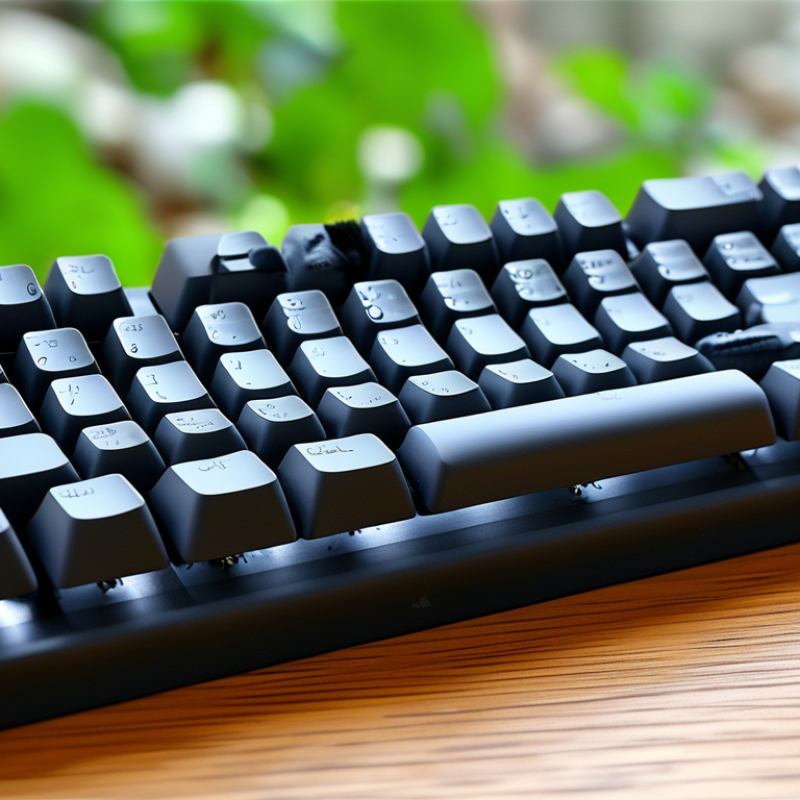
Understanding Silicone Keypads: Definition and Applications
Silicone keypads are critical components in various electronic devices. These keypads are made from silicone rubber, which highlights their durable and flexible nature. Common applications include medical devices, gaming consoles, and consumer electronics. According to industry reports, the global silicone keypad market is projected to grow significantly, reaching a value of over $1 billion by 2025. This growth indicates a rising demand for user-friendly interfaces in technology.
Choosing the right silicone keypad requires understanding its design and functions. Consider the required tactile feedback. A well-designed keypad provides a satisfying response when pressed. Additionally, assess the environmental conditions it will face. Keypads used outdoors may need specific features, such as UV resistance. An important detail is that not all silicone materials are the same. Variations in hardness can greatly affect performance.
**Tips:** Evaluate your application's requirements before selecting materials. A thorough understanding of different designs can lead to better choices. Keep in mind the manufacturing process; some methods may inhibit long-term durability. Think about ease of cleaning; a smooth surface can save time. Prioritize quality to prevent early wear.
Industry Statistics on Silicone Keypad Durability and Performance
Silicone keypads have grown popular in various industries due to their durability and performance. Industry statistics reveal that silicone keypads can withstand intense wear and tear. Many models last for millions of keystrokes, making them a reliable choice for high-usage environments. They resist moisture, dust, and chemicals, contributing to their long lifespan.
When selecting a silicone keypad, consider its intended use. Keypads designed for medical devices require stringent hygiene standards. They must withstand sterilization without breaking down. Additionally, industrial applications may require keypads that resist extreme temperatures and force.
Tips: Always request test results for durability. Check for guaranteed mileage, especially if the design is complex. A small, overlooked feature can significantly impact performance. Small variations in manufacturing can lead to unexpected failures over time. Ensure to assess the environmental factors your keypad will face regularly.
Key Factors to Consider When Selecting a Silicone Keypad
When selecting a silicone keypad, there are several key factors to consider. First, think about the application. Different environments require varying levels of durability. A keypad for outdoor use needs to withstand temperature changes and moisture. For indoor use, durability might not be as critical.
The tactile feedback is another important aspect. A good silicone keypad should provide a satisfying feel when pressed. This can enhance user experience significantly. Pay attention to the design. The layout needs to align with the intended use. Custom shapes can improve functionality but may also raise costs.
Lastly, look into the manufacturing quality. Poorly made keypads can fail quickly. It’s worth taking the time to review samples. While a higher initial investment may seem daunting, it often leads to better long-term value. Choosing the right silicone keypad can be a challenge, but careful consideration of these factors can make the choice clearer.
Silicone Keypad Durability Comparison
This chart displays the durability comparison of silicone keypads based on user feedback, categorizing them into good, average, and poor durability. The data reflects the number of keypads that fall into each category, helping you make an informed decision when selecting a silicone keypad.
Comparative Analysis of Silicone Keypad Manufacturing Techniques
Silicone keypads are vital components in many devices. Understanding the manufacturing methods is crucial. Various techniques affect the quality and durability of these keypads.
One common method is the compression molding process. In this technique, silicone is heated and pressed into molds. This creates uniformity in shape and texture. However, mold wear can be a concern. Over time, this might affect the keypad's quality.
Another method is liquid injection molding. This technique offers more precise designs. It allows for intricate details on the keypad surface. Although this method is more costly, the end product often boasts superior reliability.
**Tips:** Always assess the material used in production. Ensure it meets your durability requirements. Consider the manufacturing process for intricate designs.
The choice of technique can impact not just creativity but also functionality. Some manufacturers opt for simpler methods, raising questions on quality. Reflecting on these aspects is essential for making informed decisions.
What is a Silicone Keypad and How to Choose the Right One? - Comparative Analysis of Silicone Keypad Manufacturing Techniques
| Manufacturing Technique | Material Type | Production Cost | Durability | Common Applications |
| Compression Molding | Silicone Rubber | Low | High | Consumer Electronics |
| Injection Molding | Liquid Silicone Rubber (LSR) | Medium | Very High | Medical Devices |
| Transfer Molding | Silicone Blend | Medium | High | Industrial Controls |
| 3D Printing | Silicone Elastomer | High | Medium | Prototyping |
| Silicone Coating | Coated Plastics | Low | Low | Keyboards |
Trends in Silicone Keypad Design and Customization Options
In recent years, silicone keypads have evolved significantly in design and functionality. Their flexibility allows for countless customization options. Users now seek unique colors and textures to match their brand identity. Moreover, trends show a growing preference for backlighting features. This enhances visibility and adds a modern touch.
Choosing the right silicone keypad involves understanding your specific needs. Consider the environment where the keypad will be used. Does it need to be waterproof or resistant to extreme temperatures? Think about the tactile feedback you prefer. Some may want a softer feel, while others might need a firmer response.
When customizing, always keep usability in mind. Detailed graphics can improve user experience. However, over-complicated designs might confuse users. Balance aesthetics with functionality. Lastly, prototype testing is vital before finalizing your design. This step can reveal flaws that are easy to overlook at first glance.