How to Source Industrial Products from Global Suppliers?
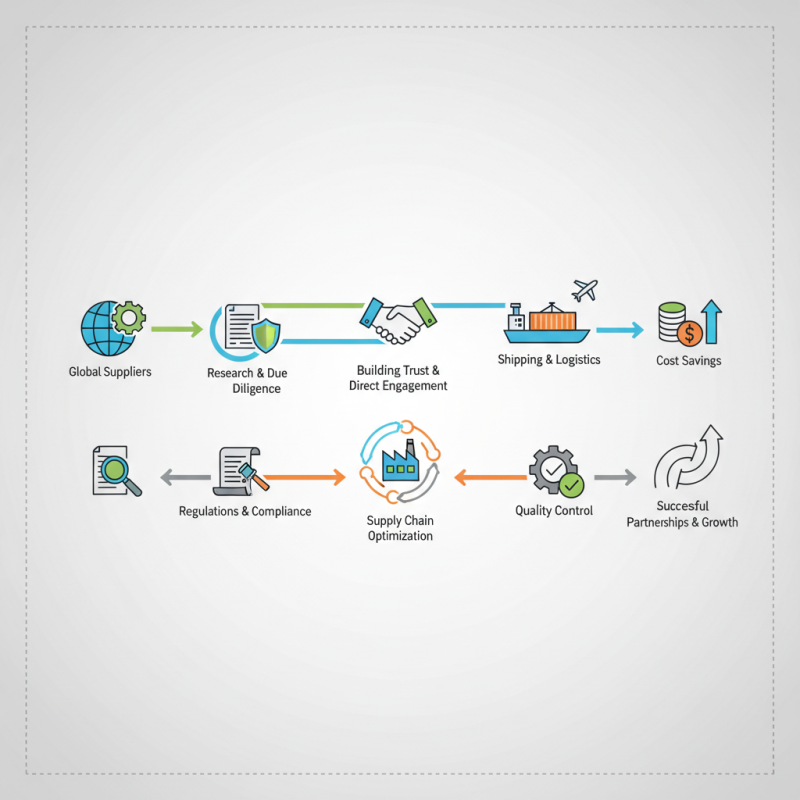
Sourcing industrial products from global suppliers is a critical task for many businesses. The right approach can yield quality materials and cost savings. Yet, this process is not without its challenges. Understanding the nuances of international trade is crucial.
Navigating various regulations, shipping methods, and cultural differences can be daunting. Many companies overlook the importance of supplier due diligence. This oversight can lead to quality issues and increased costs. Effective sourcing requires a blend of research and strategy.
While online platforms offer access to suppliers, they do not guarantee quality. Establishing trust is vital in industrial P sourcing. Engaging with suppliers directly can provide insights into their operations. Balancing risk and reward is part of the journey. Each decision impacts your supply chain. Refinement in sourcing practices can lead to better outcomes. Embrace the complexities of global sourcing, and you'll find valuable partners.
Understanding the Global Industrial Product Sourcing Landscape
Sourcing industrial products globally requires a keen understanding of various factors. The first consideration is the complexity of supply chains. Multiple suppliers, manufacturers, and shipping partners may be involved. Each link in the chain adds potential delays and risks. Therefore, mapping out your supply chain thoroughly is crucial. You must identify reliable partners and evaluate their capacities.
Geopolitical issues play a significant role in global sourcing. Trade policies and tariffs can fluctuate, impacting pricing and availability. It's essential to stay informed on global economic conditions. Conducting risk assessments helps in anticipating disruptions. This ensures you have contingency plans in place.
Product quality and standards are another vital area. Different countries have varying regulations. Understanding these can be challenging. Seek expertise to ensure compliance. Think about how product specifications may differ across borders. This complexity can lead to costly mistakes if not addressed. Regular communication with suppliers can mitigate misunderstandings. It's all about building trust and strong relationships.
How to Source Industrial Products from Global Suppliers? - Understanding the Global Industrial Product Sourcing Landscape
| Product Category | Country of Source | Average Lead Time (weeks) | Price Range (USD) | Common Certifications |
| Industrial Machinery | Germany | 10 | 5000 - 10000 | CE, ISO 9001 |
| Fasteners | China | 4 | 0.10 - 1.50 | ASTM, ISO 9001 |
| Electronic Components | Japan | 6 | 1 - 300 | RoHS, UL |
| Pipes and Fittings | USA | 3 | 2 - 50 | ASTM, ANSI |
| Safety Equipment | South Korea | 5 | 10 - 200 | ISO 45001, ANSI |
Identifying Reliable Global Suppliers for Industrial Products
Identifying reliable global suppliers for industrial products can be challenging. It requires a blend of research and practical steps. Understanding the market landscape is essential. Start by exploring online marketplaces and industry forums. Look for suppliers with positive reviews and a history of reliability.
Tips: Verify the supplier’s credentials. Request certifications and documentation that validate their operations. This ensures they meet industry standards. Use tools like LinkedIn to check their professional background.
Communication is critical. Reach out to potential suppliers. Ask specific questions about their products, shipping processes, and availability. Evaluate their responsiveness. A reliable supplier should be prompt and clear in their replies.
Tips: Consider conducting a trial order. This approach helps assess product quality and delivery timeliness. It’s an opportunity to identify any potential issues before committing to larger orders. Be prepared for challenges. Sometimes, suppliers may overpromise. Take the time to reflect on these experiences.
Global Suppliers Reliability Index for Industrial Products
Evaluating Supplier Capabilities and Compliance Standards
When sourcing industrial products globally, evaluating supplier capabilities is crucial. This involves assessing both technical skills and manufacturing capacity. A supplier's ability to meet your specific requirements is essential. Look for certifications and past performance metrics, as they often indicate reliability. Consider visiting the supplier's facilities, if possible. This allows for firsthand observation of their production process.
Compliance standards are another critical area. Suppliers should adhere to relevant industry regulations. This includes safety standards and quality assurance protocols. Gathering documentation, like compliance certificates and audit reports, can reveal a lot about a supplier's commitment to quality. Sometimes, documentation may be outdated or incomplete, raising concerns about their practices. A thorough review can help avoid potential issues.
Communication is vital during this evaluation phase. Clear dialogue ensures expectations are understood. Miscommunication can lead to missed requirements and potential setbacks. It’s important to establish a rapport and ensure responsiveness. While many suppliers are eager to please, some may falter under pressure. Observing their reactions in stressful scenarios can provide valuable insights into their true reliability.
Negotiating Terms and Conditions with Global Suppliers
Negotiating terms and conditions with global suppliers is a crucial step in sourcing industrial products. Clear communication is vital. Ensure all parties understand the expectations upfront. This includes delivery timelines, payment terms, and quality standards.
During negotiation, be prepared to discuss various aspects in detail. Ask about the production process. Understanding how products are made can help you evaluate timelines and costs better. Don’t hesitate to request samples before finalizing agreements. This is a crucial step to ensure quality consistency.
Tips:
- Be fair but firm in your negotiations. A win-win situation is often more sustainable.
- Document every agreement. Having a written record helps prevent misunderstandings.
- Stay flexible, though. Sometimes, supplier constraints may lead you to rethink your requirements. Adjustments might be necessary, but don't compromise on essential standards.
Establishing Effective Communication and Logistics Channels
Establishing effective communication and logistics channels is vital for sourcing industrial products from global suppliers. With 79% of businesses experiencing supply chain disruptions, clear communication helps minimize these risks. Building relationships with suppliers necessitates regular check-ins. Using tools like instant messaging can bridge time zones, allowing for real-time dialogue.
Logistics channels should integrate technology for efficiency. Studies indicate that 57% of logistics decisions are influenced by data analytics. Utilizing software solutions can streamline processes from order placement to delivery. Effective tracking systems provide visibility, revealing bottlenecks in the supply chain.
However, challenges persist. Language barriers may cause misunderstandings. Cultural differences can impact negotiations and expectations. Businesses must be aware of these factors. Continuous training for teams on international business practices can enhance outcomes. It’s crucial to reflect on these issues. Adapting strategies based on feedback can lead to improved results.