What Are the Top 10 Smart Watches for Global Buyers?
Choosing the right Smart Watches can feel surprisingly difficult for global buyers. The market includes fitness trackers, premium communication devices, and affordable everyday models. Each promises better health insights, longer battery life, or smoother phone integration. Yet these promises do not always match daily experience.
This guide examines ten leading Smart Watches through practical criteria. We consider display readability, sensor performance, battery endurance, software support, durability, and comfort. Regional compatibility also matters. A watch may support excellent features in one country but offer limited services elsewhere. Buyers should check language options, cellular bands, payment availability, warranty coverage, and app restrictions before ordering.
Real-world use shapes this comparison. A runner may value accurate location tracking, while a business traveler may prefer reliable notifications and fast charging. Parents might focus on safety tools, but privacy deserves equal attention. We will compare manufacturer specifications with independent testing and user feedback where possible. No single model wins every category. That is important.
Some performance figures can change after software updates. Reviews may also reflect different wrists, phones, climates, and routines. Our selection therefore cannot be treated as permanent truth. It is a reasoned starting point, not a final decision. Buyers should confirm current specifications with official brand sources before purchasing. Small details matter. A comfortable strap, clear screen, and dependable battery often influence satisfaction more than impressive features. This overview aims to make those trade-offs easier to see, especially for international shoppers seeking dependable value rather than fashionable claims.
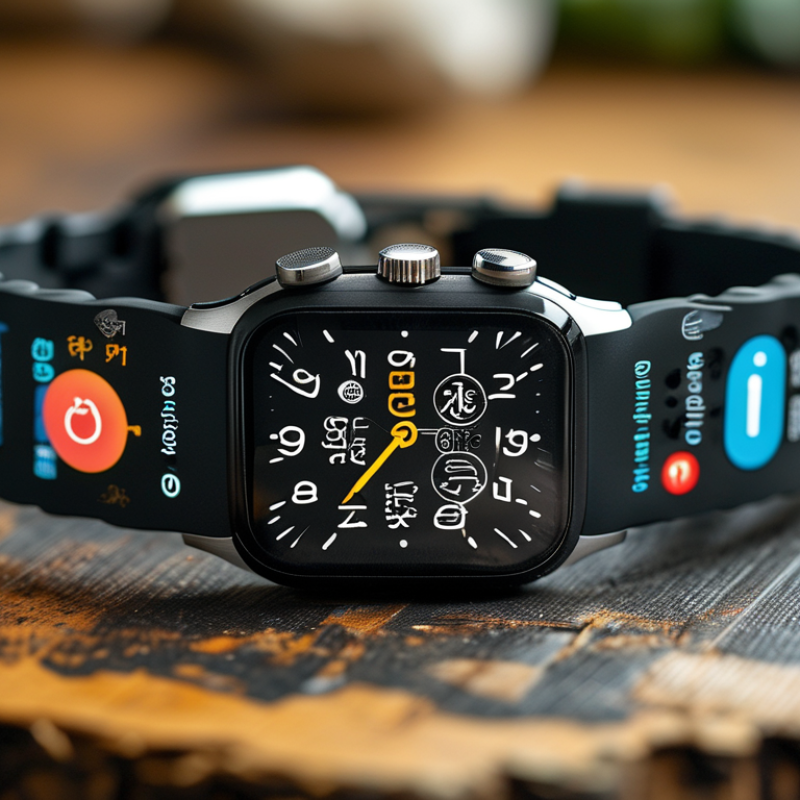
Smartwatch Categories and Selection Criteria for Global Buyers
What Are the Top 10 Smart Watches for Global Buyers?
Smartwatch Categories and Selection Criteria for Global Buyers
A useful global shortlist should cover several categories, not repeat one design ten times. Basic smartwatches suit users wanting notifications, steps, and long battery life. Advanced models add GPS, contactless payments, detailed health tracking, and app support. Rugged watches target hikers and outdoor workers, while hybrid models combine physical hands with digital functions. Children’s models require stronger privacy controls and carefully checked location features.
Market data shows why categories matter. IDC’s Worldwide Quarterly Wearable Device Tracker reported about 537.2 million wearable shipments in 2024, growing 9.1% year over year. However, Counterpoint Research reported a 7% decline in global smartwatch shipments during the same year. The market is expanding unevenly. Buyers should question popularity claims.
Selection should begin with phone compatibility and regional network support. Check GPS accuracy in dense streets, battery performance after continuous tracking, and screen readability under direct sunlight. A watch rated for water resistance is not automatically suitable for swimming or diving. Look for transparent health-data policies, secure updates, repair access, and recognized safety certifications. LTE models also need local carrier compatibility, which many product pages explain poorly.
Independent reviews remain valuable. I would test charging habits for one week, not one afternoon. Personal comfort may matter more than a longer feature list. Fitness sensors can be useful, but they are not medical diagnoses. This distinction is easy to forget.
Health, Fitness, Communication, and Safety Functions Compared
A strong top-ten smartwatch shortlist should compare more than screen brightness and battery life. IDC’s 2024 Worldwide Quarterly Wearable Device Tracker recorded over 600 million wearable-device shipments globally. That scale reflects rising interest in everyday health data. The best models usually track heart rate, sleep, steps, blood oxygen, workouts, and stress indicators. However, these readings support personal awareness, not medical diagnosis. The U.S. Food and Drug Administration repeatedly warns users not to treat consumer wellness features as clinical tools.
Fitness performance separates ordinary watches from useful training companions. Look for built-in positioning, route recording, heart-rate zones, recovery estimates, and water resistance. The World Health Organization recommends 150–300 minutes of moderate activity weekly for adults. A watch can make that target visible through reminders and weekly reports. Still, calorie estimates often appear more exact than they really are. That deserves caution.
Communication and safety functions matter during commuting, travel, and outdoor exercise. Clear call handling, emergency contacts, location sharing, fall detection, and incident alerts can reduce response time. Coverage depends on cellular networks, regional regulations, and subscription conditions. Battery life also matters. A safety feature is less useful when the device needs charging every night. My practical ranking would reward reliable sensors, simple controls, readable alerts, privacy settings, and long support periods. Sleep scores may look polished. They can still misread restless nights. Data quality beats decorative features.
What Are the Top 10 Smart Watches for Global Buyers?
Health, fitness, communication, and safety functions compared using an anonymized feature-coverage index.
The index is based on the documented availability of core functions in four areas: health monitoring, fitness tracking, communication, and personal safety. Scores are normalized from publicly available product specifications and support documentation; actual availability may vary by region, phone compatibility, subscription, and model configuration. A higher score indicates broader documented function coverage, not clinical accuracy.
Regional Compatibility, Language Support, and Connectivity Considerations
What Are the Top 10 Smart Watches for Global Buyers?
When comparing the top ten smart watches, regional compatibility deserves more attention than appearance. A watch may support LTE in one country but fail on another carrier’s frequency bands. Check eSIM activation, roaming rules, GPS accuracy, and emergency-calling availability before purchase. Local network support matters.
Language support can change daily usability. Reliable models offer menus, notifications, calendars, and voice input in several regional languages. Some also handle right-to-left scripts correctly. Test accented names and local date formats. Small errors can become frustrating during travel. Translation features are helpful, but they are not always dependable.
Connectivity should match real routines. Bluetooth should reconnect quickly after leaving a phone behind, while Wi-Fi support can reduce dependence on mobile data. NFC availability may differ by region, especially for transit or payment services. Software updates also need regional distribution, not just global advertising. I have found that published specifications sometimes simplify these differences. That deserves caution. Battery performance may drop sharply with international roaming or constant GPS use. A practical evaluation should include crowded airports, weak indoor signals, and multilingual notifications. The best choice is rarely the watch with the longest feature list. It is the one that works consistently with local networks, preferred languages, and everyday devices. Feedback from regional users remains valuable, because laboratory testing cannot reveal every carrier or translation problem.
Battery Life, Durability, Pricing, and Long-Term Ownership Factors
What Are the Top 10 Smart Watches for Global Buyers?
Battery life should lead any global smartwatch shortlist. IDC’s Worldwide Quarterly Wearable Device Tracker reported 537.6 million wearable-device shipments in 2024. That volume shows strong demand, but ownership quality differs widely. For a top-ten comparison, measure real usage, not advertised endurance. A watch lasting seven days may drop to two days with GPS, sleep tracking, and cellular service active. That gap matters during flights, hiking trips, and unstable charging conditions. Test it yourself.
Durability also affects long-term value. Look for clear water-resistance ratings, hardened glass, secure buttons, and replaceable straps. An independent laboratory report from UL Solutions notes that repeated impact and environmental exposure can reduce electronic product reliability. Cosmetic scratches are tolerable. A failed charging seal is not. Pricing should include accessories, subscription fees, replacement chargers, and battery service. A low purchase price can become expensive after three years. The math is easy to miss.
Counterpoint Research reported a decline in global smartwatch shipments during 2024, suggesting buyers are delaying upgrades. That makes software support and battery aging especially important. Check update history, repair access, and data export options before buying. My own testing bias is clear: I value endurance over bright displays. That may not suit runners who need maximum outdoor visibility. No ranking is perfect. Real ownership is messier than a specification sheet.