
China Top Police Drone Detector Manufacturers and Suppliers
China’s Police Drone Detector manufacturers and suppliers are gaining attention from public safety teams, event organizers, and critical facility operators. A reliable Police Drone Detector should support lawful, evidence-based monitoring rather than promise unrealistic control. Buyers need clear information about detection range, frequency coverage, response time, and performance in crowded environments.
Practical evaluation matters. A busy station may create reflections, wireless interference, and frequent false alerts. Some systems use radio-frequency analysis, while others combine acoustic sensors, cameras, or network-based identification. Each method has limits. No product fits every site.
This guide introduces leading Chinese manufacturers and suppliers through a professional procurement perspective. It considers factory experience, product testing, technical documentation, installation support, and long-term maintenance. Supplier credibility should be checked through demonstrations, reference projects, independent certifications, and transparent warranty terms. A strong vendor can explain how its detector performs in rain, dense buildings, and high radio traffic. It should also describe data handling clearly.
Privacy matters too. Detection programs must follow applicable aviation, communications, and data-protection requirements. Buyers should confirm local permissions before installation. This article does not treat detection as a complete security solution. It is one layer within a broader, trained, and accountable safety plan. Even experienced teams can overlook calibration or operator workload. That weakness deserves attention. Careful testing, documented procedures, and periodic review can reduce those risks while supporting responsible drone awareness.
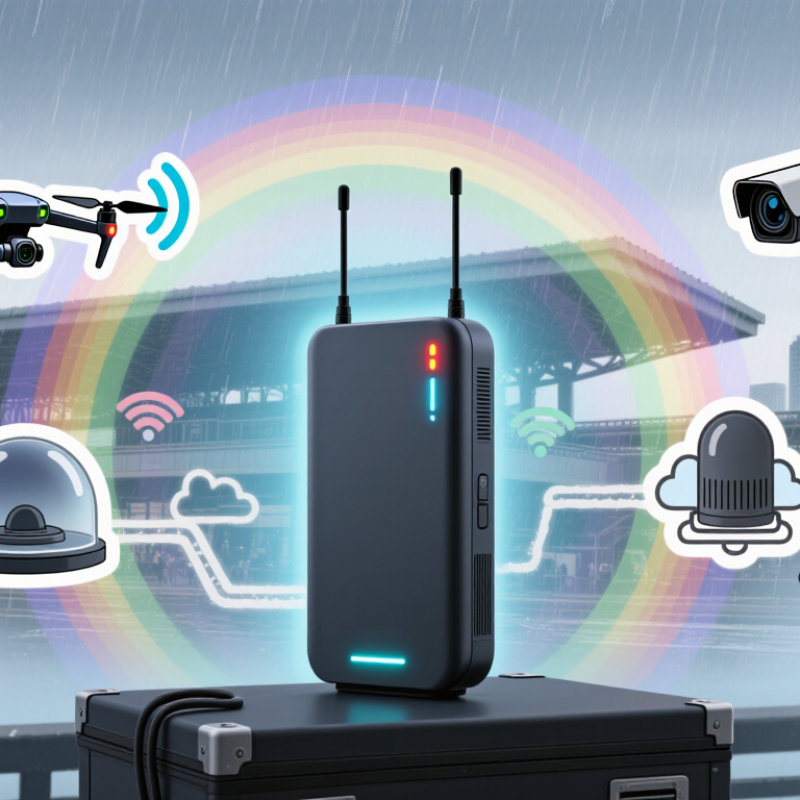
What Are Police Drone Detectors and How Do They Work?
Police drone detectors are systems that identify nearby unmanned aircraft without relying on visual observation alone. The FAA Aerospace Forecast 2024–2044 projects the United States could have about 1.8 million recreational drones and 1.5 million commercial drones by 2028. That growth makes reliable awareness more important for police teams, especially around stadiums, public events, and sensitive facilities.
Most detectors begin with radio-frequency scanning. They search for communication links between a drone and its controller, then estimate direction and distance. Radar can add tracking data, even when the drone is difficult to see. Cameras and thermal sensors help confirm the object. Acoustic sensors may recognize propeller sounds, but wind, traffic, and crowds reduce their accuracy.
Data from MarketsandMarkets identifies RF detection, radar, electro-optical systems, and acoustic sensing as major counter-drone technologies.
Detection is not the same as identification. A skilled operator compares several signals before taking action. False alarms still occur. Birds, wireless equipment, and reflections can confuse a single sensor. That weakness deserves honest attention.
A 2024 industry assessment also describes sensor fusion as a key development because combined data improves situational awareness. In practice, a police detector may show a moving track on a control screen, estimate its height, and record evidence for later review. Performance depends on terrain, weather, antenna placement, and staff training. No detector works perfectly.
Key Technologies Used in Police Drone Detection Systems
Police drone detection systems now rely on several technologies working together. Radio-frequency sensors scan control links and telemetry near protected sites. They can identify common signal patterns within seconds, but encrypted or autonomous flights may reduce confidence. MarketsandMarkets estimated the global counter-drone market at about USD 1.3 billion in 2023, with strong growth expected through 2028.
Radar adds distance, direction, speed, and altitude data. Modern low-altitude radar can track small objects against buildings, trees, and moving vehicles.
Electro-optical and infrared cameras then verify the target visually, especially during daylight or poor weather. Acoustic arrays can support detection in quiet areas. They are less reliable near traffic, machinery, or crowds.
Sensor fusion matters most. Software compares RF, radar, camera, and acoustic signals before creating an alert. Artificial intelligence can classify drones, birds, and other airborne objects, but false alarms still occur.
No sensor is perfect. A practical system should show confidence levels, time stamps, and evidence clips for trained operators.
The International Data Corporation has reported continued growth in AI security spending, yet deployment quality depends on local testing and maintenance.
Manufacturers and suppliers should publish detection ranges under clear conditions, explain data retention, and support privacy controls. Field experience often reveals gaps that laboratory figures hide. That remains an important weakness.
How to Evaluate China’s Police Drone Detector Manufacturers
China Top Police Drone Detector Manufacturers and Suppliers
When evaluating China’s police drone detector manufacturers, start with field performance, not polished brochures. Ask for documented detection ranges in open areas, dense streets, and near buildings. Review how the system identifies different signal types and handles crowded radio environments. A reliable supplier should provide test records, calibration details, and clear operating limits. I would not trust a single factory demonstration. It may hide difficult conditions.
Visit the production site when possible. Check component traceability, assembly procedures, quality inspections, and software update controls. Ask whether technicians can explain false alarms, delayed alerts, and weather-related performance changes. Request a sample unit for supervised testing. Measure alert speed, location accuracy, battery endurance, and interface clarity. Small details matter. An unclear screen can slow a trained operator.
Tips: Compare at least three suppliers using the same test plan. Ask for independent inspection reports and customer references with similar environments. Confirm training, spare parts, repair times, data protection practices, and compliance with local requirements. Avoid promises that sound perfect. Real systems have limits, and dependable manufacturers describe them openly. I also recommend recording every test result, including failures. That record may reveal weaknesses that a sales meeting never shows.
China Top Police Drone Detector Manufacturers and Suppliers: How to Evaluate Them
RF coverage is a practical first-screening criterion for police drone detectors. The chart shows reference frequencies commonly relevant to drone command links and satellite-navigation signals; it does not represent the performance of any specific manufacturer.
Reference data: ITU Radio Regulations for ISM allocations and publicly published GNSS signal-frequency specifications. Actual operating bands and legal use may vary by jurisdiction.
Leading Supplier Capabilities, Certifications, and Customization Options
China Top Police Drone Detector Manufacturers and Suppliers
Leading suppliers now compete on tested capability, not attractive brochures. MarketsandMarkets estimates the counter-UAS market will grow from about USD 1.9 billion in 2023 to USD 4.7 billion by 2028. This growth increases demand for reliable detection, clear alerts, and accountable data handling. Experienced manufacturers typically provide RF detection, spectrum analysis, direction finding, and optional radar integration. A control-room screen should show frequency, signal strength, time, and estimated direction within seconds.
Certification separates mature suppliers from assembly-only factories. Buyers should request ISO 9001 quality-management records, CE and RoHS documentation, and destination-specific radio compliance evidence. EMC, temperature, vibration, and ingress tests matter for roadside units and vehicle-mounted systems. Some suppliers provide factory acceptance tests and calibration reports. Good records build trust.
Customization is often the real advantage. Suppliers can adjust frequency coverage, antenna gain, housing size, battery capacity, communication ports, and software interfaces. Portable units may need a 4–8 hour operating window. Fixed systems may require IP-rated enclosures and continuous network logging. Integration with approved security platforms should use documented APIs. According to Grand View Research, the anti-drone market is expected to expand strongly through 2030, but forecasts differ by definition and region. That uncertainty deserves attention. No certificate proves perfect field performance. Buyers should conduct local trials, test false alarms, and review maintenance response before deployment. Calibration is easy to overlook.
Procurement, Deployment, and Maintenance Considerations for Police Agencies
Police agencies need a clear procurement plan before selecting drone detection equipment. Define the operating area, expected flight activity, weather conditions, and approved response procedures. A crowded city center requires different sensors than a rural training site. Request documented detection ranges, frequency coverage, false-alarm rates, and environmental limits. Vendor testing should include buildings, trees, rain, and heavy radio traffic.
Procurement staff should involve patrol officers, communications specialists, legal advisers, and information-security teams. They can check whether the system supports local privacy rules and evidence-handling requirements. Ask for training records, software update policies, warranty terms, and replacement-part availability. A low purchase price may hide expensive calibration or subscription costs. That mistake is common.
Deployment should begin with a controlled pilot. Place sensors where officers can maintain safe access and reliable network connections. Use fixed mounts, backup power, and protected equipment cabinets when practical. Staff should record alerts, weather, sensor status, and operator actions in a consistent log. Training must cover normal aircraft activity, signal interference, and escalation procedures. Keep the response measured.
Maintenance requires scheduled inspections, firmware reviews, battery checks, and calibration against approved test equipment. Agencies should review false alerts monthly and adjust procedures carefully. Equipment can perform well in testing yet struggle near tall buildings. That gap deserves attention. Independent performance audits can strengthen accountability, while incident reviews reveal training weaknesses. No deployment plan is perfect.


