
Who Are the Top Circuit Board Fabrication Manufacturers?

Choosing a circuit board fabrication manufacturer is not simply a matter of comparing prices. A board may look straightforward on a drawing, yet its layer count, copper weight, tolerances, and material choice can change production difficulty. Small details matter.

Prismark’s Global PCB Industry Report estimated worldwide PCB production value at about $69.5 billion in 2023, down from roughly $81.4 billion in 2022. That contraction makes supplier capacity, financial resilience, and dependable delivery worth examining alongside technical capability. IPC’s industry research and standards also offer useful reference points for evaluating process controls and quality systems. Reports provide context, not a ready-made ranking. That matters.

This guide looks at leading manufacturers through practical criteria: engineering support, prototype-to-volume scalability, quality certifications, geographic footprint, and experience with rigid, flexible, and high-density interconnect boards. Buyers should also ask how a supplier handles test data, traceability, and a late design change. A polished website cannot answer those questions. Nor can one global ranking reflect every customer’s needs; a supplier suited to high-volume consumer electronics may not fit a low-volume industrial design. Use the comparisons as a starting point, then verify capabilities against your drawings, required standards, and production schedule.
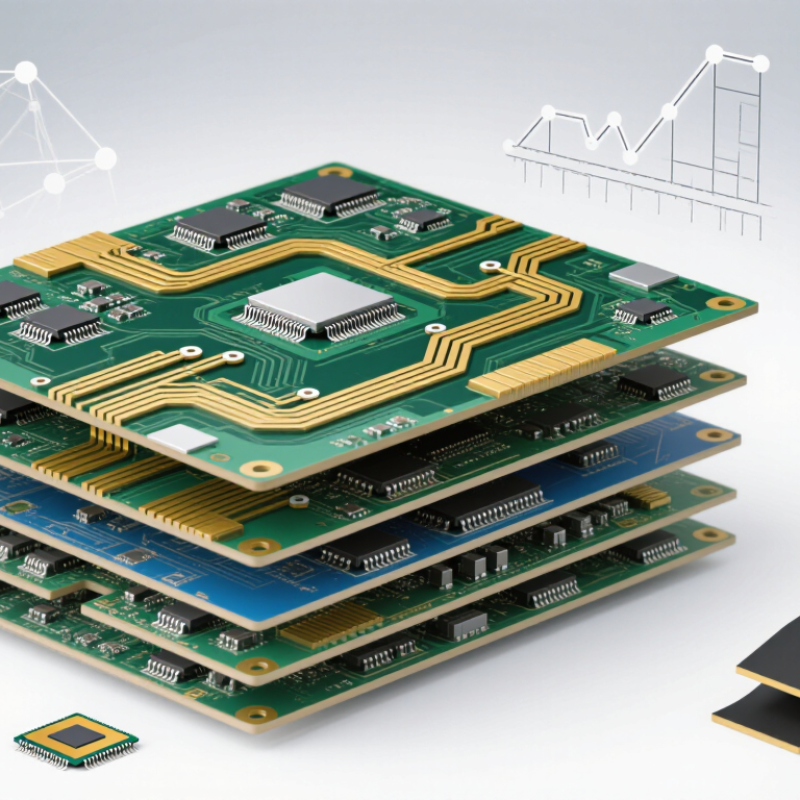
Who Are the Top Circuit Board Fabrication Manufacturers?

What Circuit Board Fabrication Manufacturers Do

Circuit board fabrication manufacturers turn electronic design files into physical boards. They build copper pathways on insulating material, then drill holes and apply protective finishes. Layer count, copper thickness, and board dimensions affect the manufacturing process. For multilayer boards, precise alignment matters; a small shift can disrupt connections. Manufacturers also inspect features such as hole size and copper spacing before shipping boards for assembly.

Tips: Send clear design files and board specifications. Confirm material, thickness, finish, and quantity before production. Ask how the manufacturer reports inspection results. A sample board can reveal issues that drawings may not make obvious.

Fabrication is not the same as component assembly. The fabricator makes the bare board, while a separate process may add chips and other parts. Useful manufacturers flag designs that could be difficult to produce, but feedback can vary. A design that works in software may still need adjustments for reliable manufacturing. Ask about tolerances and expected lead times, and review the first production boards closely. Some problems only become apparent after testing.

How Leading PCB Fabricators Are Evaluated

Evaluating a PCB fabricator begins with checking whether its process can repeatedly match the design, not merely quote it. Ask how it controls trace width, hole size, copper thickness, and layer alignment. These details affect whether a board fits its enclosure and performs as intended. Request sample inspection records and material traceability documents. A clear answer should identify what was measured, how often, and what happens when results fall outside the specified range. Small details count.

Engineering support is another useful measure. Can the team flag an impractical spacing rule or suggest a panel layout that reduces wasted material? Ask for a review of fabrication files before production, and note whether questions receive specific, technically grounded answers. Delivery estimates also deserve scrutiny. Compare quoted lead times with recent performance, and ask how schedule changes are communicated. A polished audit report helps, but it captures only one moment. I would still check recent production records and talk through a sample job from file review to final inspection. No metric tells the whole story; evaluation can be imperfect, so document assumptions and revisit them after the first order.

Profiles of Major Circuit Board Fabrication Manufacturers

Circuit board fabricators differ less by size than by the problems they can solve repeatedly. High-volume producers focus on stable yields, automated inspection, and predictable delivery across large production runs. Their lines may handle multilayer boards with tightly controlled copper thickness and drilled-hole quality. Scale matters. Yet capacity alone says little about performance on a difficult design.

Advanced fabrication specialists work with high-density interconnect, fine traces, and rigid-flex structures. Regional quick-turn shops, by contrast, often prioritize prototypes, engineering feedback, and shorter production runs. These profiles overlap, and the distinction is imperfect. Prismark’s 2024 industry update valued global PCB production at about US$73 billion in 2023, following a year-over-year decline of roughly 15%. The contraction makes utilization and order stability important context when comparing factory capabilities. IPC’s North American PCB industry reports also track sales and bookings, useful indicators of near-term demand rather than proof of any single factory’s quality. Buyers should examine evidence such as cross-section samples, impedance test records, and documented process controls. A polished capability list is not enough. Specific limits matter: minimum trace width, layer count, material availability, and inspection coverage can vary by facility and job. These details are easy to overlook. The best-fit fabricator depends on the board’s requirements, not a broad ranking.

Who Are the Top Circuit Board Fabrication Manufacturers? - Profiles of Major Circuit Board Fabrication Manufacturers

The profiles below describe major manufacturer categories without naming companies or brands. They are capability-based, not a ranking: actual limits, certifications, lead times, and available processes vary by facility and should be confirmed directly.

Anonymized manufacturer profile Typical strengths Common board types Typical customer needs What to verify when selecting
High-volume, broad-capability fabricator Production scaling, repeatable process control, and a wide range of standard multilayer manufacturing options. Rigid single-sided, double-sided, and multilayer boards. Established designs with steady demand, where consistent production and cost control are priorities. Available layer counts, panel utilization, production capacity, quality controls, and the exact facility that will build the order.
Advanced HDI specialist High-density interconnect construction using fine features and microvias to support compact layouts. HDI rigid boards, including designs that use blind or buried vias and sequential lamination. Compact electronics with high component density, such as mobile, computing, and other space-constrained products. Minimum line and space, via dimensions, microvia reliability data, registration capability, and design-rule requirements.
Prototype and quick-turn fabricator Short-run manufacturing workflows, design feedback, and support for engineering revisions. Prototype and low-volume rigid boards, often in common materials and stack-ups. New product development, verification builds, and small production batches. Quoted versus actual lead time, engineering review process, available material choices, and whether the quoted process matches production requirements.
Flexible and rigid-flex specialist Manufacturing of flexible circuits and boards that combine rigid and flexible sections. Flexible printed circuits and rigid-flex assemblies. Products requiring space-efficient interconnects, movement, or fewer separate cable-and-board connections. Minimum bend radius guidance, flex-layer construction, coverlay options, copper type, and testing requirements for the intended motion or installation.
High-reliability sector supplier Documented process controls and traceability designed for customers with demanding quality and compliance requirements. Rigid or flexible boards selected for regulated, industrial, transportation, or other reliability-focused applications. Applications where qualification, controlled change management, and production records are important. Current facility-specific certifications, applicable customer approvals, material traceability, inspection plans, and the required IPC performance class.
Specialty-material and thermal-management fabricator Experience with material systems or constructions selected for particular electrical, thermal, or environmental requirements. Boards using specialty laminates, heavy copper, metal-core constructions, or mixed-material stack-ups. Power electronics, RF designs, LED products, and applications with specific thermal or signal-performance needs. Supported laminate families, copper-weight limits, stack-up compatibility, thermal data, and validation against the design’s operating conditions.

Key Capabilities and Markets Served by Top Fabricators

Leading circuit board fabricators are distinguished by process control, not just production volume. They can manage fine-pitch features, controlled-impedance traces, multilayer stackups, and rigid-flex designs. Their engineers review Gerber data and stackup plans before production, catching issues such as narrow spacing or unclear drill notes. Small details matter.

The right capabilities depend on the market served. Automotive and industrial customers often need durable boards, consistent lots, and clear material records. Medical and communications products may require tight trace tolerances, specialized laminates, or close coordination with assembly partners. A capable fabricator can explain its inspection methods, including electrical testing and cross-section review, in practical terms. However, no single factory is ideal for every design; unusual materials or low-volume prototypes can expose limits that a sales conversation may overlook.

Tips: Share your expected volume, operating environment, and target delivery dates when requesting a quote. Ask how the supplier handles engineering changes, lot traceability, and failed test results. Request evidence from a comparable build, not a broad promise. Be ready to revise your design, too.

Representative PCB Fabrication Capabilities by Board Type

Typical copper-layer counts and example applications illustrate the range of boards served by circuit-board fabricators. Actual capabilities and design requirements vary by manufacturer and project.

Higher layer counts can support denser routing and more complex designs. The examples shown are not manufacturer limits, rankings, or market-share figures.

How to Select a Circuit Board Fabrication Partner

Choosing a circuit board fabrication partner starts with the board you need, not a sales brochure. Share the stack-up, copper weight, material, finished thickness, tolerances, and expected volume. Ask how the manufacturer checks these details before production. A clear answer matters.

Compare the shop’s capabilities with your design: trace and spacing limits, hole sizes, layer count, impedance control, and surface finish. Request a sample inspection report or a small prototype run, then compare measurements with your drawings.

Look for documented process controls, calibration records, and a clear way to handle nonconforming boards. Certifications can support confidence, but they do not replace evidence from the production line. Check lead times, too.

A capable partner flags risks early, such as tight annular rings or uneven copper distribution. Discuss engineering support, revision control, communication, and how urgent changes affect cost and schedule.

Request delivery estimates based on your panel and order size, not a generic promise. Teams can focus heavily on unit price and overlook yield assumptions; that comparison is not always straightforward. If answers stay vague, pause.