Top 5 Tips for Choosing the Best Bus Duct Flaring Machine?
Choosing the right Bus Duct Flaring Machine is vital for efficient electrical installations. The demand for such machines has increased, with the market projected to grow significantly. According to a recent industry report, the market for bus duct systems is expected to reach $7 billion by 2025, highlighting the importance of reliable equipment.
When selecting a Bus Duct Flaring Machine, professionals should focus on quality, efficiency, and durability. A machine that is stable and easy to use can drastically reduce installation time. Manufacturers often emphasize the precision of their machines, but it's essential to verify these claims through real-world performance reviews.
While numerous options are available, not all machines are created equal. It's crucial to consider factors like the machine's build quality and support offered by the manufacturer. Some machines may have impressive specifications but lack practical reliability over time. Therefore, understanding your specific needs and consulting with industry experts can lead to more informed choices.
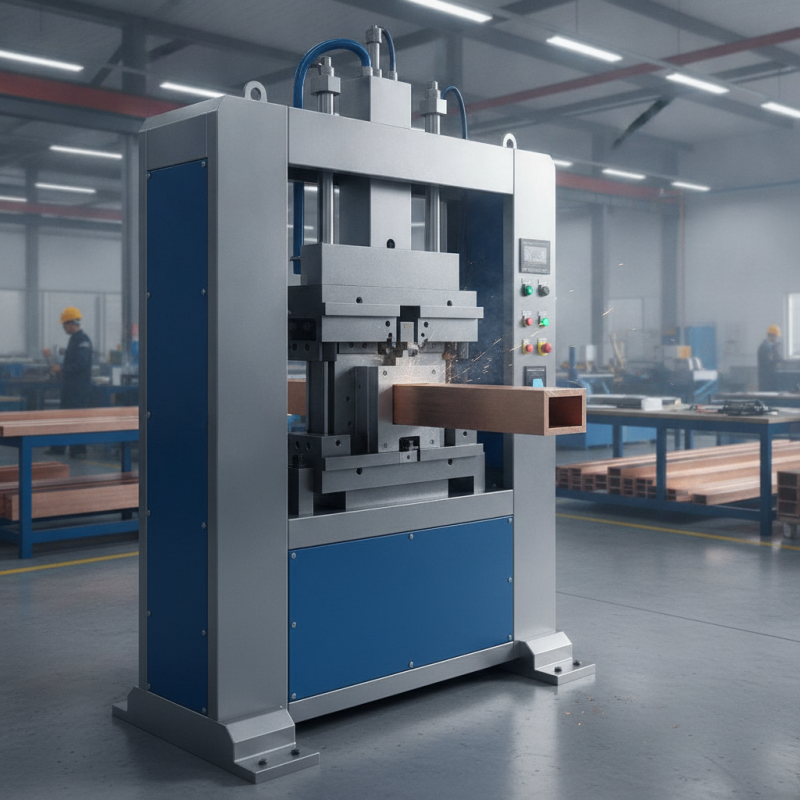
Understanding Bus Duct Flaring Machines and Their Applications
Bus duct flaring machines play a crucial role in the electrical installation sector, particularly for bus ducts. These machines are designed to flare conductive bus bars, ensuring reliable electrical connections. Their applications span various industries, from power generation to commercial buildings. A well-functioning flaring machine enhances connectivity and reduces the risk of electrical faults.
Choosing the right flaring machine requires a deep understanding of its design and capabilities. Consider the materials you will be working with. Different metals may require specific flaring techniques. It's vital to inspect the machine's adjustment features. This ensures it can accommodate various bus sizes efficiently. Moreover, durability is essential; a robust machine can withstand frequent usage, avoiding costly replacements.
Focusing solely on the technical aspects can be limiting. User experience is also valuable. Seek feedback from operators who have hands-on experience. Conversations can reveal strengths and weaknesses of different models. Be aware of common pitfalls, such as neglecting maintenance checks. These aspects significantly influence the reliability and performance of the flaring machine.
Top 5 Tips for Choosing the Best Bus Duct Flaring Machine
| Tip Number | Tip | Description | Key Features |
| 1 | Assess Your Needs | Understand the specific requirements for your bus duct applications. | Capacity, Dimensions, and Type of Bus Duct |
| 2 | Evaluate the Build Quality | Choose machines made from durable materials to ensure longevity. | Material Type, Frame Strength |
| 3 | Consider the Technology Used | Look for modern technologies that enhance efficiency and precision. | Automation, Sensor Technology |
| 4 | Review Maintenance Requirements | Select machines that are easy to maintain to reduce downtime. | Service Access, Parts Availability |
| 5 | Check for Warranty and Support | Ensure the manufacturer offers a solid warranty and customer support. | Warranty Period, Support Services |
Key Features to Look for in Bus Duct Flaring Machines
When selecting a bus duct flaring machine, certain key features are crucial to ensure optimal performance. Look for machines that offer adjustable flaring angles. This flexibility allows operators to meet specific project requirements and enhances the machine's versatility. For instance, the ability to adjust the flare can make a significant difference in the installation process.
Another important feature is the machine's build quality. A durable, robust design often translates to longevity and reduced maintenance needs. Machines that appear heavy-duty may have better resistance to wear and tear. Pay attention to the materials used in construction. High-quality materials ensure that the machine performs well under pressure.
Ease of use is essential, too. An intuitive control system can lead to greater efficiency during operations. Machines that offer user-friendly interfaces allow operators to make adjustments quickly. However, user experience may vary. While some users find certain machines straightforward, others may struggle initially. It's worthwhile to consider a demo or user feedback before commitment.
Evaluating Machine Capacity: Importance of Flaring Diameter and Length
When selecting a bus duct flaring machine, understanding the machine's capacity is crucial. The flaring diameter and length directly affect the applications for which the machine can be used. A wider flaring diameter allows for larger fittings, while varying lengths accommodate different installation scenarios. Regardless of the operation scale, capacity should align with project demands.
Flaring diameter must be assessed carefully. A diameter that's too small restricts versatility. It may lead to challenges in fitting installation, causing delays and increased costs. On the other hand, choosing a machine with an unnecessarily large diameter can be an inefficient use of resources. Balance is key.
Length is equally significant. Longer lengths can be beneficial for extensive projects with numerous fittings, providing greater reach. However, machines that are too large can be cumbersome for small-scale tasks. Operators may struggle with maneuverability, leading to potential ineffectiveness. Each project’s specific requirements should drive these choices rather than a one-size-fits-all approach.
Analyzing the Efficiency and Precision of Flaring Machines
When selecting a bus duct flaring machine, efficiency and precision are paramount. Machines should provide consistent results under various conditions. A closer look at the construction of the machine often reveals how well it performs. For instance, robust materials can endure rigorous use and prevent wear.
Accuracy in flaring is essential for functionality. A machine that flares unevenly can lead to significant issues. Operators need to check alignment regularly and ensure all settings are calibrated correctly. Investing time in training users can improve outcomes. Sometimes, even a small mistake can result in costly errors.
Choosing a machine based on user feedback can be illuminating. Observations from those in the field often highlight strengths and weaknesses. For example, a machine that is easy to operate may sacrifice some advanced features. It's crucial to weigh these trade-offs carefully. Continuous reflection on the performance of the machine can lead to better choices in the future.
Cost-Effectiveness: Balancing Budget with Machine Quality and Durability
When selecting a bus duct flaring machine, cost-effectiveness is a crucial factor. You want a machine that balances quality and durability with a reasonable budget. A less expensive machine may save money upfront, but could lead to higher long-term costs due to repairs or replacements. Analyzing the total cost of ownership can help guide your decision.
Investing in a machine that meets your needs is essential. Look for machines made of high-quality materials that promise longevity. Consider the machine’s warranty as an indicator of quality and trustworthiness. A solid warranty often reflects the manufacturer’s confidence in its product. Researching user reviews and production output can also provide valuable insights.
Sometimes, choosing the cheapest option can lead to frustrations down the line. Poor performance and frequent breakdowns may arise from lower-quality machines. Investing a little more initially could save a considerable amount of money in the future. Evaluate your production needs and budget carefully to make an informed choice.