What is a Waterproof Micro Switch and Its Applications?
In today's rapidly advancing technology landscape, the importance of a Waterproof Micro Switch cannot be overstated. Experts like Dr. Jane Thompson, a renowned specialist in switch technology, emphasize, "The reliability of waterproof micro switches is crucial in many applications." These switches are designed to withstand harsh environments and maintain performance even when exposed to water.
Waterproof Micro Switches find their place in various sectors, from automotive to industrial automation. Their ability to function in damp or wet conditions makes them invaluable for devices such as kitchen appliances, outdoor electronics, and even medical equipment. Yet, the demand for higher performance can often lead to challenges; not all manufacturers meet the rigorous standards necessary for quality.
As industries evolve, the quest for innovation continues. It's important to evaluate which waterproof micro switches truly meet the performance criteria. Not every switch marketed as "waterproof" delivers on its promises. Reflecting on the past, there may be room for improvement in quality standards across the industry. Understanding these nuances is essential for anyone involved in the selection and implementation of these vital components.
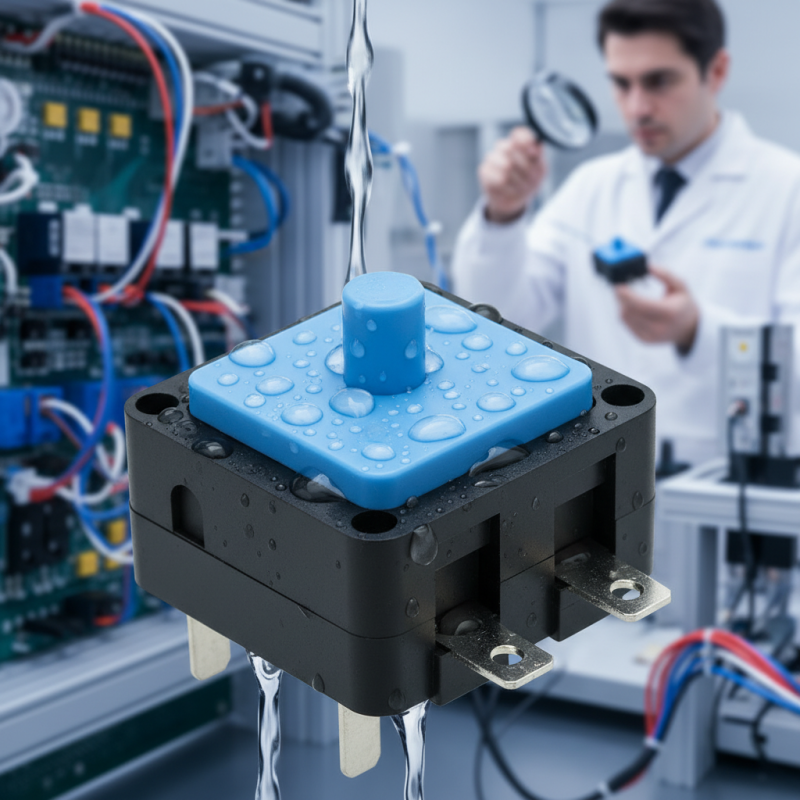
Understanding Waterproof Micro Switches: Definition and Functionality
Waterproof micro switches are essential components in various industries. Their primary role is to enable or interrupt electrical circuits in adverse conditions. These switches are designed to resist moisture and dust, safeguarding their functionality. In fact, a report from ResearchAndMarkets indicates that the global market for waterproof micro switches is projected to grow by 5.2% annually, highlighting their increasing importance.
The key feature of waterproof micro switches is their sealing technology. Typically, these switches utilize rubber gaskets or coatings that protect internal parts. This design prevents water ingress, which can lead to circuit failures. For applications in automotive and outdoor equipment, these switches offer reliable operation. In conditions where traditional switches would fail, waterproof variants excel.
Tips: Always check the ingress protection (IP) rating. This rating will determine the switch's resistance to water and dust. Ensure you select a switch that matches your application needs.
While waterproof micro switches are reliable, occasional failures may occur. Factors such as extreme temperatures and prolonged exposure to water can weaken seals over time. Regular maintenance is important to ensure longevity. This attention to detail allows users to avoid unexpected downtimes in critical operations.
Waterproof Micro Switch Applications
Key Features of Waterproof Micro Switches: Design and Construction
Waterproof micro switches are essential in various applications. Their design features include specialized materials that resist moisture and contaminants. These switches often have a hermetically sealed casing. This ensures reliable operation in wet conditions. When used in outdoor equipment, they must endure harsh environments. The combination of water-resistant housing and reliable mechanisms sets them apart.
The construction of waterproof micro switches involves high-level craftsmanship. Manufacturers use durable plastics or metals for the casing. They often incorporate gaskets around the switch mechanism. This helps to prevent water from penetrating. Some designs utilize a rubber boot for added protection. This feature is beneficial in industrial settings where exposure to liquids is common.
However, not all waterproof switches perform equally. Variability exists in their ratings and specifications. Some may not hold up under extreme pressure. Users must consider the specific environmental conditions. It’s essential to match the switch type to the application. Choosing the right switch can be challenging. Testing and feedback can provide valuable insights. Understanding the balance between protection and functionality is key.
Common Applications of Waterproof Micro Switches in Various Industries
Waterproof micro switches play a crucial role in diverse industries. Their ability to resist moisture makes them invaluable in environments where reliability is key. For instance, the automotive sector increasingly uses these switches. According to a recent industry report, the automotive micro switch market is projected to reach $1.75 billion by 2027, driven by the demand for reliable components in vehicles.
In the food and beverage industry, waterproof micro switches are essential for automation. Production lines often deal with spills and cleanings. Thus, these switches provide consistent performance. A report indicates that about 30% of equipment failures in this industry relate to moisture intrusion. This highlights the necessity for reliable waterproof components.
The consumer electronics field also benefits significantly from waterproof micro switches. Devices like wearables or outdoor gadgets must withstand harsh conditions. Data shows that one in five consumers consider water resistance a priority when purchasing electronics. This trend drives manufacturers to adopt waterproof micro switches, ensuring durability and customer satisfaction. Despite advancements, some challenges remain, such as maintaining switch sensitivity when sealed. Companies need to address these issues to enhance product reliability further.
What is a Waterproof Micro Switch and Its Applications? - Common Applications of Waterproof Micro Switches in Various Industries
| Industry | Application | Environmental Conditions | Key Features |
| Automotive | Rain Sensors | High humidity, water exposure | Durable, reliable under wet conditions |
| Consumer Electronics | Water-Resistant Appliances | Exposure to splashes and spills | Compact, efficient switching |
| Industrial | Heavy Equipment | Dusty, wet environments | Resistant to dust, moisture ingress |
| Marine | Navigation Lights | Saltwater and moisture exposure | Corrosion-resistant materials |
| Healthcare | Medical Devices | Disinfectants, fluids | Sterilizable, safe for use |
Benefits of Using Waterproof Micro Switches in Harsh Environments
Waterproof micro switches are essential in harsh environments. They protect sensitive components from moisture and dust. These switches often feature sealed enclosures and reliable construction. This design ensures they function under challenging conditions. They are commonly used in outdoor equipment, marine applications, and industrial machinery.
The benefits of using waterproof micro switches are significant. They offer durability and reliability. This means less frequent replacements and maintenance. In environments with high humidity or direct exposure to water, their performance remains consistent. Users can trust these switches to operate flawlessly. However, some may overlook the importance of choosing the right rating. An incorrect rating can lead to failures and costly repairs.
Incorporating waterproof micro switches can lead to increased system efficiency. They prevent malfunctioning that can occur due to environmental factors. Yet, it is crucial to note that not all waterproof switches are created equal. Some may not withstand extreme conditions. Therefore, careful selection and testing are essential. Users should regularly review their applications to ensure optimal performance.
Comparison of Waterproof Micro Switches with Standard Micro Switches
Waterproof micro switches provide robust functionality in various environments. They differ significantly from standard micro switches, particularly in durability and performance. A waterproof micro switch typically meets IP67 ratings. This means it can withstand immersion in water up to a depth of one meter for a limited time. In contrast, standard micro switches offer minimal protection against moisture. In fact, reports indicate that nearly 30% of device failures in industrial settings are due to water damage.
Applications for waterproof micro switches are diverse. They are widely used in automotive, marine, and medical devices. The automotive industry, for instance, incorporates these switches in lighting and dashboard controls. These switches endure harsh conditions, including extreme temperatures and exposure to moisture. In contrast, standard switches may fail under similar conditions, leading to costly repairs. Interestingly, studies reveal that equipment longevity can increase by up to 50% when waterproof components are utilized.
While waterproof micro switches boast significant advantages, they can also present challenges. The initial cost is usually higher compared to their standard counterparts. This discourages some manufacturers from making the switch. Additionally, installation requires careful attention to detail to ensure optimal performance in demanding environments. Despite the investment and complexity, the benefits often outweigh the drawbacks in critical applications.