What Is the Best Tokimec Equivalent Pump?
Selecting the best Tokimec Equivalent Pump is a specification decision, not a brand-name swap. The replacement must match displacement, pressure, shaft dimensions, rotation, control type, and port arrangement. A mismatch may appear minor on a drawing, yet show up as noise, heat, or unstable actuator movement after installation. Check the pump nameplate and measure the mounting and shaft before comparing models.
Market growth makes careful selection more important. Grand View Research estimated the global hydraulic pump market at USD 11.45 billion in 2023 and projected a 4.8% compound annual growth rate from 2024 to 2030. That figure covers many pump types, not Tokimec replacements specifically, so it should not be treated as proof that one equivalent suits every machine. Anthony Esposito, author of Fluid Power with Applications, emphasizes the importance of matching hydraulic components to system requirements; applied here, that means confirming operating pressure, flow, control response, and fluid compatibility before purchase. This is a practical paraphrase, not a direct quotation.
There is no universal “best” equivalent. A pump that fits the bolt pattern can still differ in control behavior or rated duty. Compare manufacturer datasheets, confirm the exact Tokimec model code, and ask a qualified supplier to verify the cross-reference. Keep the original pump’s operating conditions nearby: pressure readings, oil temperature, and the machine’s duty cycle can reveal what a catalog match misses. A careful check takes time. It can prevent an expensive second installation.
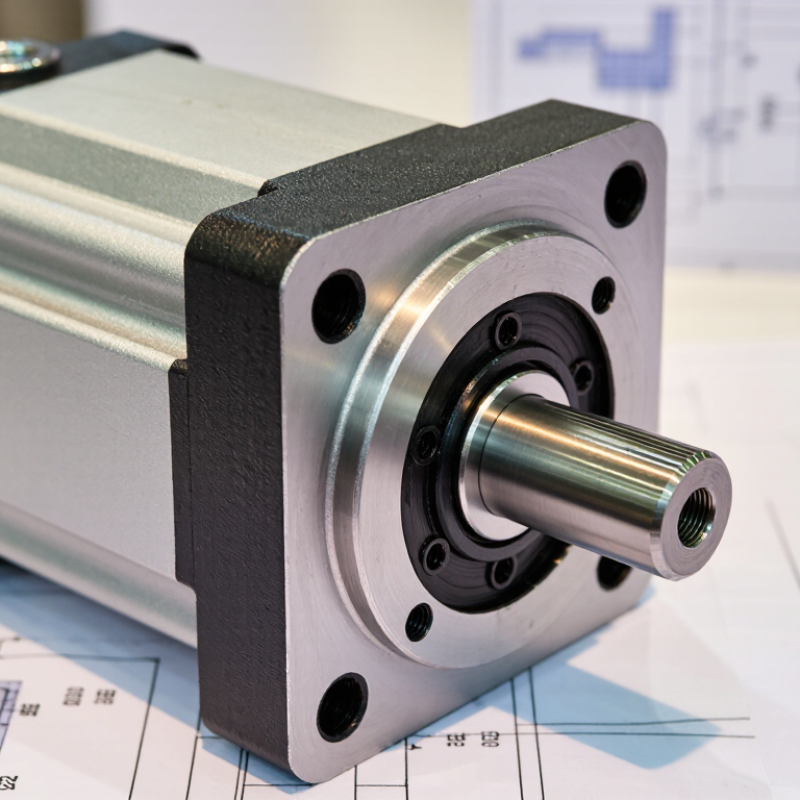
Identify the Tokimec Series, Displacement, Rotation, and Port Configuration
Choosing a replacement pump starts with identifying the exact series, not just matching the housing shape. Series codes often indicate construction, mounting dimensions, and compatible shaft styles. Compare the original nameplate with a clear photograph, then verify flange measurements and shaft details. A close visual match can still be wrong.
Next, confirm displacement in cubic centimeters per revolution. This value affects flow at a given speed, so a small mismatch may change actuator speed or system response. Check rotation from the shaft end; clockwise and counterclockwise descriptions can be confusing when viewed from another side. Check it twice. Then compare the port configuration: inlet and outlet positions, port size, and thread type. A fitting that starts easily is not proof of a correct thread standard. Small details matter.
Before installation, confirm pressure and speed ratings, fluid compatibility, and the machine’s mounting arrangement against reliable technical documentation. If the model code is worn, record the visible dimensions and port locations, and ask a qualified hydraulic technician to verify them. I would not choose by displacement alone; that shortcut can leave an otherwise suitable pump incompatible with the circuit. The awkward part is that some markings are incomplete. Measure carefully, and flag anything uncertain before ordering.
Compare Rated Pressure, Flow, and Speed with the Original Pump Datasheet
A suitable equivalent pump is not chosen by matching the model label alone. Start with the original pump datasheet. Record rated pressure, flow, and operating speed, including the units and stated test conditions. Small differences matter. A pump rated for the right pressure may still deliver too little oil at the machine’s normal speed.
Compare flow at the actual shaft speed, not just the maximum figure in a sales table. For a fixed-displacement pump, flow generally rises with speed, while leakage can reduce delivered flow under load. Check whether the datasheet lists theoretical or measured output. This distinction is easy to miss. Also confirm that the proposed unit can sustain the required pressure continuously, rather than only briefly.
Match the remaining installation details before ordering: rotation direction, shaft dimensions, mounting face, port locations, and fluid requirements. A pressure test on a correctly installed pump can help verify performance, but it should use suitable equipment and safe procedures. I would leave a margin for operating variation, yet avoid assuming that “more capacity” is automatically better. Excess flow can increase heat and stress. Datasheets can be incomplete, so confirm uncertain ratings with the supplier and document the conditions used for comparison.
Check Hydraulic Fluid Cleanliness Against ISO 4406 Contamination Codes
When comparing an equivalent hydraulic pump, check fluid cleanliness before judging performance. ISO 4406:2021 expresses particle contamination as a three-number code, counting particles at or above 4, 6, and 14 micrometres per millilitre. For example, the first number, code 18, represents more than 1,300 and up to 2,500 particles per millilitre at the 4-micrometre threshold. One code-step increase roughly doubles the particle-count range. Small numbers matter. A result such as 18/16/13 is useful only when compared with the pump’s specified cleanliness target; there is no universal target for every circuit.
Take samples from a consistent, active-flow point, using a clean bottle and flushing the sampling valve first. A sample from a quiet reservoir corner can mislead. ISO 4406 provides the coding method, while ISO 16889:2022 describes the multi-pass method used to evaluate hydraulic filter performance. Record the fluid temperature, operating hours, and filter condition alongside each laboratory result. One clean sample is not proof that the system stays clean. Repeated tests can reveal whether particle levels rise after maintenance, during cold starts, or as filters load. It is easy to trust a single result too much; sampling practice and timing deserve a second look.
Verify Mounting and Shaft Dimensions Using ISO 3019-2
A suitable equivalent pump is not identified by flow rate alone. Its mounting face and shaft must fit the existing drive without forcing or improvised adapters. ISO 3019-2 specifies dimensions for certain two- and four-hole mounting flanges and shaft ends using metric units. Confirm that the pump’s configuration falls within the standard’s scope before comparing measurements. Check the flange pilot diameter, bolt-hole spacing, shaft diameter, and shaft extension against the equipment drawing.
Small differences matter.
Measure the installed pump with clean calipers, and record units before ordering. A worn shaft or painted flange can distort a reading, so compare measurements with the original drawing when available. Check shaft form and keyway details too; matching the diameter alone is not enough. Also confirm rotation direction and displacement separately, since ISO 3019-2 does not establish every operating requirement. In field replacements, the bolt pattern may appear right while the pilot sits slightly proud.
That is easy to miss.
If dimensions disagree, pause and ask the supplier for a dimensioned drawing rather than relying on a visual match. A careful check now is less frustrating than correcting a misfit after installation.
Assess Viscosity, Temperature, and Duty-Cycle Compatibility Before Replacement
A suitable replacement pump must match the fluid and operating pattern, not just the connection size or rated flow. Start by measuring viscosity at the actual operating temperature. A cold start can make oil much thicker than it is after warming, increasing motor load and reducing flow. The Hydraulic Institute’s ANSI/HI 9.6.7 guidance applies viscosity corrections to pump performance, a reminder that published water ratings may not transfer directly to viscous fluids. Check the full temperature range, too: seals, clearances, and materials must tolerate both normal operation and brief temperature spikes. Small details matter.
Duty cycle deserves equal attention. Record hours per day, starts per hour, pressure changes, and any periods of continuous running. The U.S. Department of Energy’s Improving Pumping System Performance sourcebook reports that pumping systems can account for 25–50% of energy use in some industrial plants. That figure is not a prediction for one machine, but it shows why an inefficient match can carry real operating costs. Compare the candidate’s curve at the required flow and pressure, then verify motor current under representative conditions. I would also leave room for uncertainty: site data is often incomplete, and a pump that works during a short test may struggle after a cold overnight start. Use measured fluid properties and a documented duty profile before approving the replacement.
What Is the Best Equivalent Pump? Start With Fluid Viscosity
The bars show nominal ISO VG kinematic viscosity grades in mm²/s (cSt) at 40°C, based on ISO 3448. They describe lubricant grades, not pump limits. Before selecting a replacement, confirm the fluid’s viscosity at its actual operating temperature, then check the candidate pump’s allowable viscosity, temperature range, required flow and pressure, and continuous or intermittent duty rating.