Why Choose Central Tube Cable for Your Next Project?
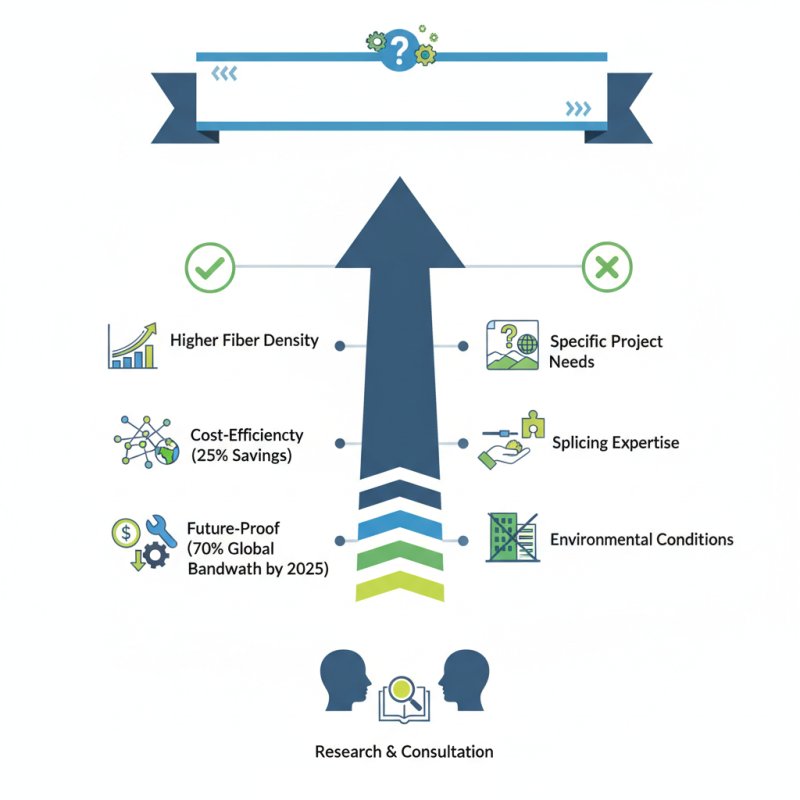
In the ever-evolving landscape of telecommunications, choosing the right cabling solutions can significantly impact project success. Central Tube Cable stands out as a preferred option due to its exceptional performance and versatility. According to a report by International Data Corporation, fiber-optic cables will drive 70% of global bandwidth by 2025. Choosing Central Tube Cable can ensure your project stays ahead of this demand.
Central Tube Cables offer higher fiber density and improved cost-efficiency compared to traditional cables. The Fiber Optic Association states that these cables can save up to 25% on installation costs. However, not all projects may benefit equally from this technology. It's essential to evaluate specific requirements and environmental conditions before making a decision.
Moreover, while Central Tube Cable promotes better space utilization and lower weight, they might not fit every installation scenario. There can be challenges during splicing, which need expertise. Understanding both the strengths and limitations of Central Tube Cable is crucial for project managers. Investing time in research and consultation can lead to long-term benefits.
Benefits of Central Tube Cable in Modern Projects
Central Tube Cable is gaining popularity in various modern projects because of its distinct advantages. This type of cable features a streamlined design, which allows for easier installation and management. Its construction provides better thermal performance, making it suitable for environments that experience extreme temperatures. Users often notice improved signal integrity due to reduced interference, leading to more reliable operations.
One of the key benefits of Central Tube Cable is its durability. The cable’s robust design can withstand harsh conditions, which is crucial for outdoor installations. However, some users may find its handling to be less flexible compared to other types of cabling. This requires extra care during installation to avoid damage. It is also essential to consider compatibility with existing systems before making a switch. Ultimately, while Central Tube Cable presents numerous benefits, it’s vital to weigh these against specific project needs and potential installation challenges.
Comparison of Central Tube Cable with Other Cable Types
When considering different cable types for your project, central tube cables stand out for several reasons. Central tube cables have a unique design that houses fibers in a central core, offering efficient space management. This construction enhances performance in terms of signal clarity and minimizes stress on the fibers. In contrast, loose tube cables offer more protection against environmental factors but require more space and can be bulkier.
Another factor to consider is installation flexibility. Central tube cables are lighter and more manageable during installation. This can lead to reduced labor costs. On the other hand, traditional cables might demand more equipment and tools, adding complexity to the setup. Some professionals find loose tube cables easier to work with in harsh conditions, as they can better accommodate expansion and contraction.
However, central tube cables do present certain challenges. They can be sensitive to outdoor environmental conditions, making them less ideal for certain applications. Some installers may hesitate to switch due to a lack of familiarity. It's crucial to weigh these considerations against your project's specific needs. An informed choice can make a significant difference in cable performance and longevity.
Why Choose Central Tube Cable for Your Next Project?
| Cable Type | Flexibility | Durability | Cost | Common Uses |
| Central Tube Cable | High | Excellent | Moderate | Data Centers, Telecommunications |
| Loose Tube Cable | Moderate | Good | Lower | Outdoor Applications |
| Ribbon Cable | Low | Fair | Low | High-Density Solutions |
| Armored Cable | Low | Excellent | High | Industrial Applications |
Technical Specifications and Performance Metrics of Central Tube Cable
When considering the best solution for data transmission, central tube cable stands out. Its unique design accommodates multiple fibers arranged in a central tube. This structure enhances performance while reducing the physical footprint. Data from industry reports highlight its capability of handling high data rates. For instance, a study indicates that central tube cables deliver transmission speeds exceeding 10 Gbps over long distances.
Technical specifications play a crucial role in evaluating central tube cables. They are typically designed to withstand harsh environmental conditions. Many cables meet stringent criteria for durability, such as temperature variations and moisture resistance. Research shows that these cables can perform effectively in temperatures ranging from -40°C to +70°C. This resilience makes them suitable for both indoor and outdoor installations.
However, the choice of central tube cable is not without considerations. Installation can be complex and may require specialized tools. Some professionals report challenges in splicing due to the arrangement of fibers. Additionally, while it excels in performance, the initial cost can be higher compared to traditional options. Assessing project needs is vital to ensure the right balance between performance and cost-effectiveness.
Applications and Use Cases for Central Tube Cable
Central tube cables are highly versatile. They find applications in various fields, including telecommunications, data transmission, and industrial connections. Their design typically allows for high fiber counts in a compact structure. This makes them ideal for environments where space is limited.
In telecommunications, central tube cables support large-scale data centers. They facilitate high-speed internet connections. In industrial settings, these cables can endure harsh conditions. They are often used for outdoor installations, ensuring durability and performance. However, improper handling can lead to damage. This underlines the importance of training for installation teams.
Another use case is in urban infrastructure. Central tube cables can be integrated into smart city projects. These installations enhance connectivity and data sharing. Yet, the urban environment presents challenges, like cable protection and maintenance. Recognizing these factors is crucial for successful implementation. Always consider the specific needs of your project when choosing cable solutions.
Cost Effectiveness and Installation Advantages of Central Tube Cable
Central tube cables are gaining popularity due to their impressive cost-effectiveness. They offer a balance between performance and budget, often proving more affordable than traditional cables. This savings can be significant, particularly for large-scale projects. Lower material costs do not compromise quality, making central tube cables an excellent choice for various applications.
Installation advantages further enhance their appeal. Central tube cables are typically lighter and more flexible, which simplifies the installation process. The design allows for easier handling, reducing labor time and costs. Workers can navigate tight spaces with greater ease.
Despite these benefits, challenges may arise during installation, particularly in complex environments. Effective training and proper techniques are essential for overcoming these hurdles.
While central tube cables present many benefits, some users might overlook potential drawbacks. For instance, they may not be suitable for every application. Understanding specific project requirements is crucial. Ultimately, choosing the right cable involves weighing these factors carefully. Experience and expertise in the field can lead to the best decisions.