Why Choose Spotlight LED Lights for Your Business?
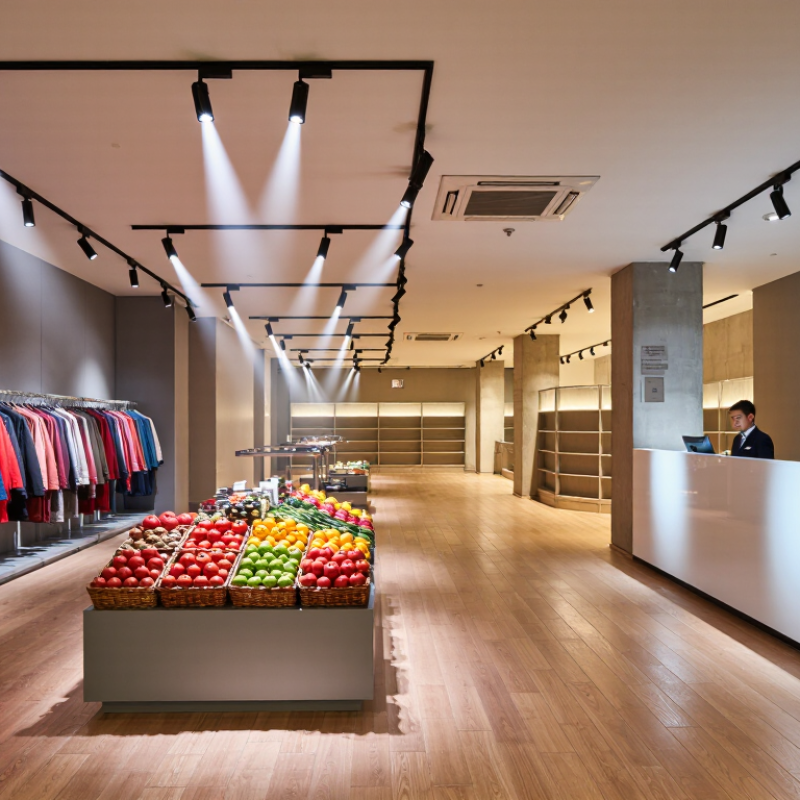
Good lighting does more than make a business visible. It shapes how customers notice products, move through a space, and feel when they arrive. In a shop, a focused beam can bring out the texture of a jacket or the color of fresh produce. In a hotel lobby, it can draw attention to a reception desk without lighting every corner equally. Spotlight Led Lights offer this kind of directional control, making them useful for displays, signs, work areas, and architectural features. The effect depends on more than brightness. Beam angle, color temperature, placement, and the surface being lit all influence the result. Small details matter. A poorly aimed fixture may create glare or leave distracting shadows. That can undermine an otherwise thoughtful design.
This guide explores why businesses choose spotlight lighting and what to consider before installing it. It covers practical factors such as energy use, maintenance, fixture positioning, and the atmosphere different light colors can create. A narrow beam may emphasize one product, while a wider beam can cover a larger display. Neither is automatically better. One detail is easy to overlook: a dramatic beam may look impressive in a photo yet feel harsh across a working counter. Testing a sample in the actual space can reveal problems that a product description cannot. It depends. The right choice should support daily tasks, suit the business environment, and provide consistent light where it is needed. With careful planning, spotlights can improve visibility and presentation without making the space feel overlit.
What Are Spotlight LED Lights?
Spotlight LED lights are directional fixtures that concentrate light into a defined beam, rather than spreading it evenly across a room. Inside each fixture, a semiconductor diode converts electrical energy into light. A lens or reflector shapes that output, creating a focused pool on a display, workbench, sign, or architectural detail. Beam angle matters: a narrow beam highlights a small object, while a wider beam covers more surface with softer edges. The effect is practical, but not automatic. Poor placement can create glare or leave distracting dark patches.
For businesses, LED technology can reduce energy use compared with older lighting. The U.S. Department of Energy reports that residential LEDs use at least 75% less energy and last up to 25 times longer than incandescent lighting; those figures are a technology benchmark, not a guarantee for every commercial spotlight. Fixture design, operating hours, dimming, and heat management all affect real-world results. Look at beam angle, color temperature, color-rendering information, and lumen output before choosing a fitting. A 3000 K beam can make timber and warm finishes feel inviting; a cooler setting may suit detailed task areas. Test one fixture in the actual space first. It may reveal an awkward shadow you missed on paper.
Why Choose Spotlight LED Lights for Your Business? — What Are Spotlight LED Lights? | Feature | What It Means | Business Benefit | What to Check Before Buying |
| Focused beam | A spotlight directs light into a narrower beam than a general-purpose area light. | Helps draw attention to merchandise, displays, signage, artwork, or work areas. | Choose a beam angle suited to the distance and size of the area being illuminated. |
| Energy efficiency | LEDs convert a relatively high proportion of electrical energy into visible light. | Can reduce electricity use compared with many traditional lighting options when replacing them with appropriately specified LEDs. | Compare light output in lumens and energy use in watts; savings depend on the existing fixture and operating hours. |
| Long service life | LED fixtures are generally designed to operate for many hours before reaching their rated maintenance threshold. | May reduce the frequency of lamp replacement and related maintenance work. | Review the rated lifetime, warranty, operating temperature, and whether the light source is replaceable. |
| Colour quality | Colour temperature describes whether light appears warm or cool; the colour rendering index (CRI) indicates how accurately colours are represented. | Lets businesses create an appropriate atmosphere and present product colours more clearly. | Check colour temperature in kelvin and CRI. A higher CRI can be useful where accurate colour appearance matters. |
| Directional control | Many spotlight fixtures can be aimed toward a selected surface or object. | Supports accent lighting and helps adapt a lighting layout to changing displays or spaces. | Confirm the fixture’s tilt and rotation range, mounting method, and compatibility with the ceiling or track system. |
| Instant operation | LED spotlights typically reach full brightness quickly and can be switched on and off without a warm-up period. | Useful in spaces with scheduled opening hours or lighting controlled by occupancy sensors. | Check dimmer and control compatibility, particularly when connecting the fixture to existing electrical controls. |
| Heat and safety | LEDs generally emit less heat toward the illuminated area than many traditional directional lamps, although fixtures still produce heat that must be managed. | Can improve comfort around displays and reduce some heat-related concerns. | Follow installation instructions and confirm the fixture is suitable for its location, including any damp or enclosed areas. |
| Lighting layout | Spotlights work best as part of a planned lighting scheme rather than as a substitute for all general lighting. | Combining accent, task, and ambient lighting can make a space more practical and visually balanced. | Consider ceiling height, spacing, glare, target surfaces, and local electrical requirements before installation. |
How Spotlight LEDs Improve Business Illumination
Spotlight LED lights improve business illumination by putting usable light where work happens. In a shop, a focused beam can bring out product texture, while adjustable heads can direct light onto shelves without brightly lighting every aisle. In a workshop, narrow beams can help clarify a bench or inspection area. The U.S. Department of Energy’s Energy Saver guidance reports that LEDs use at least 75% less energy and last up to 25 times longer than incandescent lighting. Those figures describe LEDs broadly, not every spotlight installation, so actual savings depend on wattage, operating hours, controls, and the lights being replaced.
Good placement matters as much as the fixture. Aim beams to reduce glare on glossy packaging and screens, and overlap light carefully to avoid dark gaps between displays. For example, a small showroom might use focused spots for featured items and softer ambient lighting for walkways. The Illuminating Engineering Society publishes recommended light levels for different tasks; a lighting professional can use those recommendations to plan a space rather than guessing from fixture wattage alone. Color appearance also deserves a test: a warm beam may flatter wood, yet make some product colors look less accurate. Sometimes the first layout misses. Measure light at working height, check shadows during business hours, and adjust the beam angles before committing to a full installation.
Energy Efficiency and Operating Cost Considerations
Spotlight LED lights can lower operating costs by directing light onto shelves, counters, displays, or work surfaces instead of illuminating empty ceiling space. The U.S. Department of Energy reports that residential LED products use at least 75% less energy and last up to 25 times longer than incandescent lighting. Those figures are not a direct promise for every commercial spotlight, but they show why efficient light sources can reduce electricity use and replacement frequency. A manager can compare wattage, beam angle, rated life, and light output before choosing fixtures.
The savings become clearer in busy areas. A spotlight running ten hours each day accumulates about 3,650 operating hours annually, so even modest wattage differences matter across many fixtures. The U.S. Energy Information Administration’s 2018 Commercial Buildings Energy Consumption Survey identifies lighting as a significant electricity end use in commercial buildings. Controls, such as occupancy sensors or dimming, may cut use further where activity varies. Still, controls need sensible settings. An overly narrow beam can leave aisles dim, prompting staff to add more fixtures and weakening the savings. Track actual bills and inspect the light on the floor, not just the product sheet. Small details matter.
Choosing the Right Spotlight LED Specifications
Choosing the right spotlight LED specifications starts with the task, not the fixture’s wattage. Use lumens to compare light output, then select a beam angle that suits the space. A narrow beam can highlight a product display; a wider beam may better cover a checkout counter. Test the spacing on site. Ceiling height and dark finishes can change the result.
Color quality matters in shops, galleries, and service areas. A color rendering index (CRI) of 90 or higher can help fabrics, food, and skin tones appear more natural. Choose a suitable color temperature, too: warm white can feel comfortable, while neutral white can make details easier to inspect.
The U.S. Department of Energy reports that LEDs use at least 75% less energy and last up to 25 times longer than incandescent lighting. Those figures are comparisons, not a promise for every installation. Driver quality, heat, and operating hours affect real performance.
Check dimming compatibility, glare control, and the fixture’s rated operating conditions before ordering. For damp or dusty locations, verify the ingress protection rating against the actual environment. Ask for photometric files, such as IES data, and review a layout before committing to a large quantity. A specification sheet can look perfect. The installed light may still feel harsh. A small on-site trial is often worth the extra effort.
Installation, Maintenance, and Safety Factors
Why Choose Spotlight LED Lights for Your Business?
Installation begins with the task, not the fixture. A narrow beam can highlight merchandise, signs, or work surfaces, but poor aiming creates glare and dark patches. Measure ceiling height and target distance before selecting beam angle and output. A qualified electrician should check circuit capacity, mounting support, dimmer compatibility, and heat clearance. For damp or dusty locations, verify the fixture’s environmental rating. Small details matter.
Maintenance is usually straightforward, but it is not zero. Dust on lenses reduces useful light, so include gentle cleaning in scheduled facility checks. Inspect mounting hardware, wiring, and dimming performance; flicker or discoloration may signal a failing driver. The U.S. Department of Energy reports that LEDs use at least 75% less energy and last up to 25 times longer than incandescent lighting (Energy Saver, “LED Lighting”). Those comparisons are useful, though actual service life depends on operating hours, temperature, and product quality. Check the published warranty and rated lifetime before purchasing.
Safety needs attention during installation and service. Switch off and verify power before opening a fixture, and allow hot components to cool. Keep ladders stable and the work area clear. OSHA’s electrical-safety guidance emphasizes de-energizing circuits and using qualified workers for electrical tasks. A practical caveat: bright spotlights can make a shop feel polished while still causing eye strain. Test the beam after dark, from customer and staff viewpoints, then adjust it.